Why Insulation Should Always Be Installed by a Professional
A house that feels drafty in winter or stuffy in summer causes constant frustration. Many homeowners assume insulation is a simple upgrade, yet the work involves much more than filling empty spaces. For the best temperature regulation, energy efficiency, moisture control, and safety, insulation should always be installed by a professional. The right thermal protection keeps your home comfortable in all seasons.
Installation Gaps Reduce Performance
Insulation works best when it fully covers the intended area and fits properly around framing, wiring, and other obstacles. Small gaps may seem minor at first, yet they give heat an easy way to move in or out of the home. As a result, the material’s performance depends just as much on proper placement as on the product itself.
Experienced installers understand where insulation jobs usually go wrong, particularly around corners, edges, and narrow spaces. Since compressed insulation does not perform as well, they avoid packing it too tightly or squeezing it where it does not fit. They also pay close attention to transitions between different areas of the home, so coverage stays consistent. As a result, the home feels more evenly comfortable from one space to the next.
Hidden Hazards Make DIY Risky
Many people picture insulation as a dusty weekend project. However, attics and crawl spaces may have tight access points, uneven footing, exposed wires, and low visibility, making the work harder than expected. A homeowner may walk into the space thinking the job will take a few hours, then realize the area has safety issues that were never obvious from below.
Experienced insulation contractors know how to move through these spaces without damaging the home or putting themselves in danger. On top of that, they can recognize signs that another repair should happen first, such as roof leaks, damaged wiring, or moisture problems.
Here are some of the hazards professionals check before starting insulation work:
- Exposed wiring near insulation areas.
- Tight attic or crawl space access.
- Unstable surfaces between ceiling joists.
- Recessed fixtures that need clearance.
- Older materials that should not be disturbed.
Material Choice Affects Results
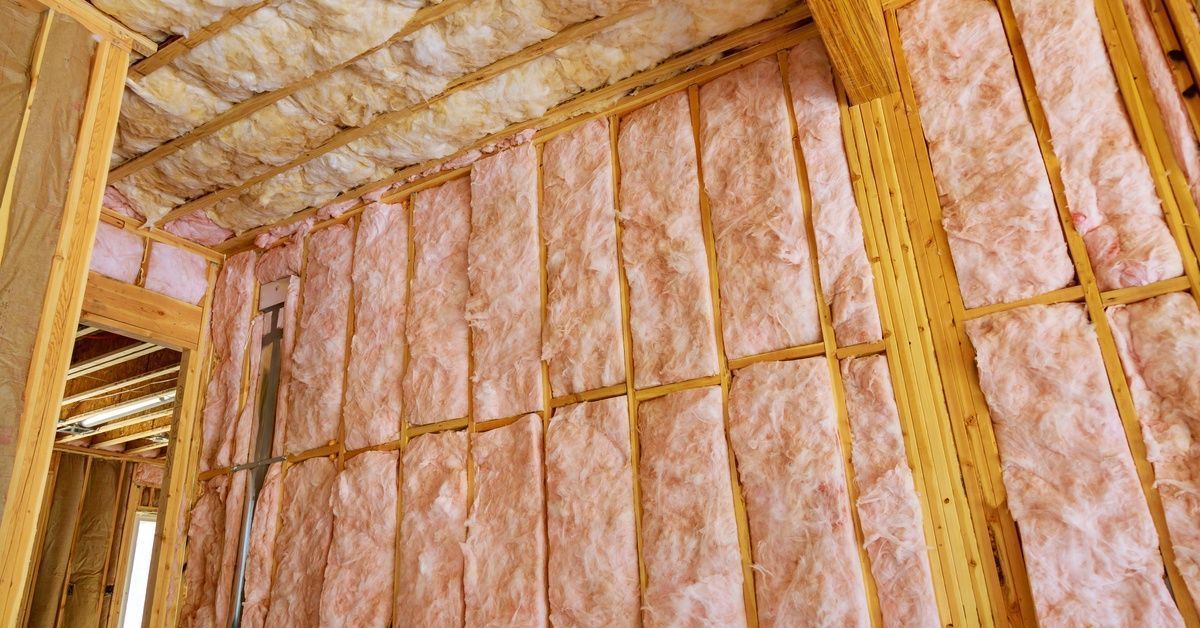
Insulation is not a single product with a single use. Different parts of a home may need batt insulation, blown-in material, spray foam, or rigid board, depending on the layout and conditions. Each option behaves differently in response to moisture, airflow, and framing details. That means a product that works well in one space may be a poor fit in another.
Insulation should always be installed by a professional because they understand where each material performs best. As a result, homeowners receive a service tailored to the house's layout and needs. That results in an upgrade that is more practical, durable, and effective.
Correct Depth Improves Efficiency
Some assume that more insulation automatically means better performance. In reality, depth, density, and coverage all matter, and too much material in the wrong place can reduce effectiveness. Professionals measure the area and install the proper amount. They know how to maintain consistent coverage throughout the space, even in awkward spots near framing and edges.
Here are some of the installation mistakes that reduce insulation performance:
- Leaving thin spots near corners.
- Compressing insulation into tight cavities.
- Missing areas around pipes and wiring.
- Skipping air sealing before installation.
- Using one method in every space.
How Compressed Insulation Reduces Performance
Insulation works by trapping air within its structure, which slows the movement of heat. When insulation gets compressed, those air pockets shrink, making it less effective at maintaining temperature control. As a result, the material cannot provide its intended level of thermal resistance. Proper installation keeps insulation at the correct thickness.
Even Coverage Requires Precision
Insulation coverage can be difficult because the spaces inside a home are rarely simple or uniform. Pipes, wiring, framing, and tight corners create obstacles that make it easy to leave behind gaps or uneven areas. Even small missed sections can lead to inconsistent temperatures and reduced energy efficiency. Because of that, contractors aim for full, balanced coverage.
Professional Equipment Improves Coverage
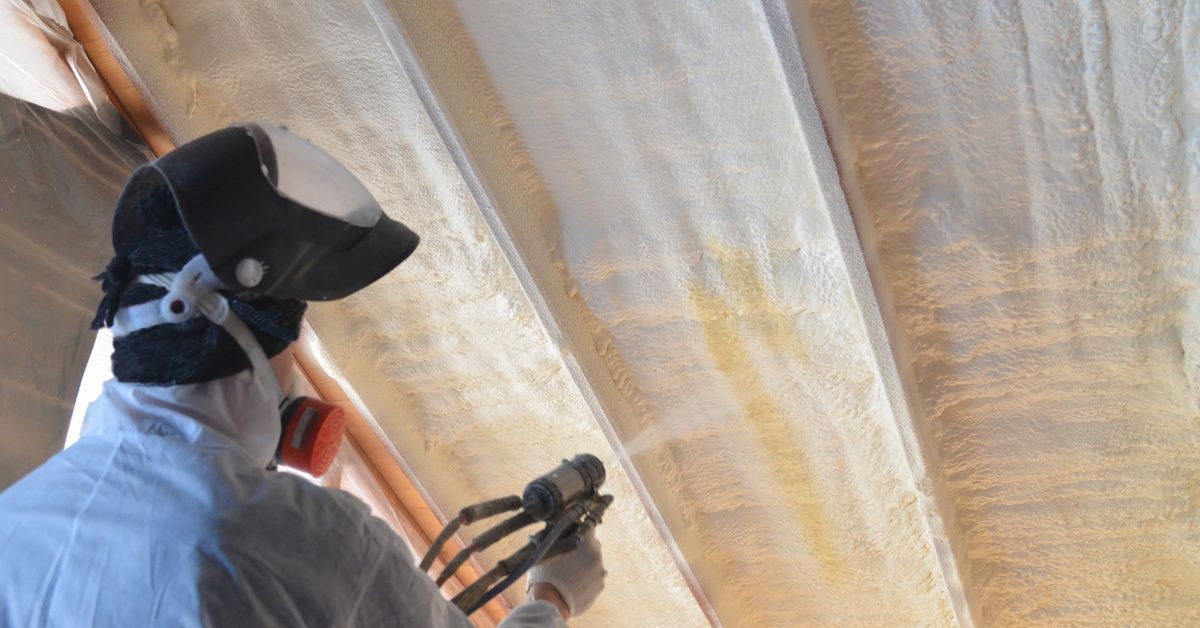
Professional equipment delivers cleaner, more consistent results compared to basic store-bought supplies. Blowing machines spread loose-fill insulation evenly, making it easier to achieve the right depth throughout the space. Measuring tools also give installers a way to check coverage as they work, rather than relying on visual estimates. As a result, professionally installed insulation performs consistently from one area to the next.
Additionally, protective gear allows crews to work safely in dusty, cramped areas. Air-sealing materials seal gaps before the insulation is installed. That combination supports a more thorough job with fewer missed spots and less disruption around the work area.
Older Homes Need Extra Care
Older homes come with charm, history, and plenty of surprises behind the walls and ceilings. You might start with a plan to add insulation, only to uncover issues that completely change the project’s scope.
Water damage, air leaks, deteriorating materials, and outdated wiring can all affect how well new insulation will perform. In some cases, those problems make the area unsafe to work in or leave the insulation with a poor surface to rest against.
A professional can spot warning signs, determine whether repairs should happen first, and avoid covering problems that would keep the insulation from doing its job. They also know when older materials may need special handling for health and safety reasons. That process protects the home and the long-term value of the installation.
Old Insulation May Be Unsafe
Some older insulation materials may contain hazardous substances or may have collected mold, dust, or pest contamination over time. Since many homeowners do not know how to identify those issues, disturbing the material can create unnecessary health and safety concerns. A professional can identify materials that need closer evaluation before they are moved, removed, or covered with new insulation.
Skilled Work Lasts Longer
A quality insulation job continues to benefit the home well beyond installation day. When insulation is properly fitted, evenly installed, and placed in a space that has already been checked for underlying issues, the home feels better. Temperatures stay more consistent, drafts are less noticeable, and the HVAC system does not have to work as hard to keep up.
Professional work also minimizes the risk of repeat projects. Instead of fixing missed sections or dealing with issues that were covered up during a rushed job, homeowners get the best results from the start.
A comfortable home depends on more than the insulation itself. It depends on how well the insulation fits the space, addresses existing issues, and integrates with the house's structure. At Leon Construction, we have the knowledge and precision needed to get those details right. Call us to reduce drafts and improve temperature control throughout your home.