Signs It’s Time To Replace Your Home’s Roof
A roof works as a complete system, with shingles, flashing, decking, vents, and other components all doing their part to keep water out. When one area starts failing, the effects can spread and put added strain on the rest of the roof. That’s why it’s not always obvious whether the problem calls for a simple repair or something more extensive. Look for these common signs that it’s time to replace your home’s roof.
It’s Nearing Its Lifespan
Every roofing material has an expected lifespan, although there isn’t one exact age when a roof automatically needs replacing. Asphalt shingles, one of the most common residential roofing materials, generally last about 20 to 30 years, while metal and tile roofs can last considerably longer. As your roof approaches its typical lifespan, signs of wear may appear more often or in several areas at once.
The actual lifespan can vary based on installation quality, maintenance, ventilation, and local weather conditions. Repeated exposure to wind, snow, moisture, UV rays, and temperature changes can gradually wear down roofing materials, while proper maintenance may extend their useful life. That’s why you should view age alongside the roof’s current condition, repair history, and any other signs of deterioration.
Roof Sections Have Damage
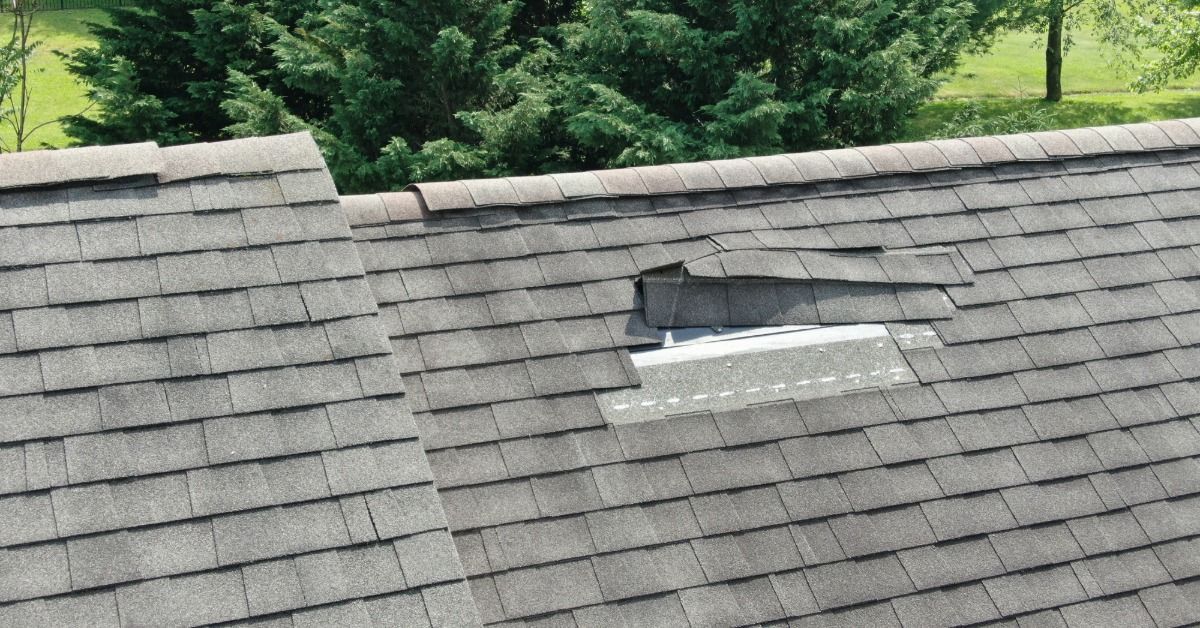
One damaged shingle doesn’t necessarily mean you need to replace the entire roof. However, when deterioration appears in several sections, that pattern can be one of the clearest signs it’s time to replace your home’s roof.
Look for patterns of damage such as:
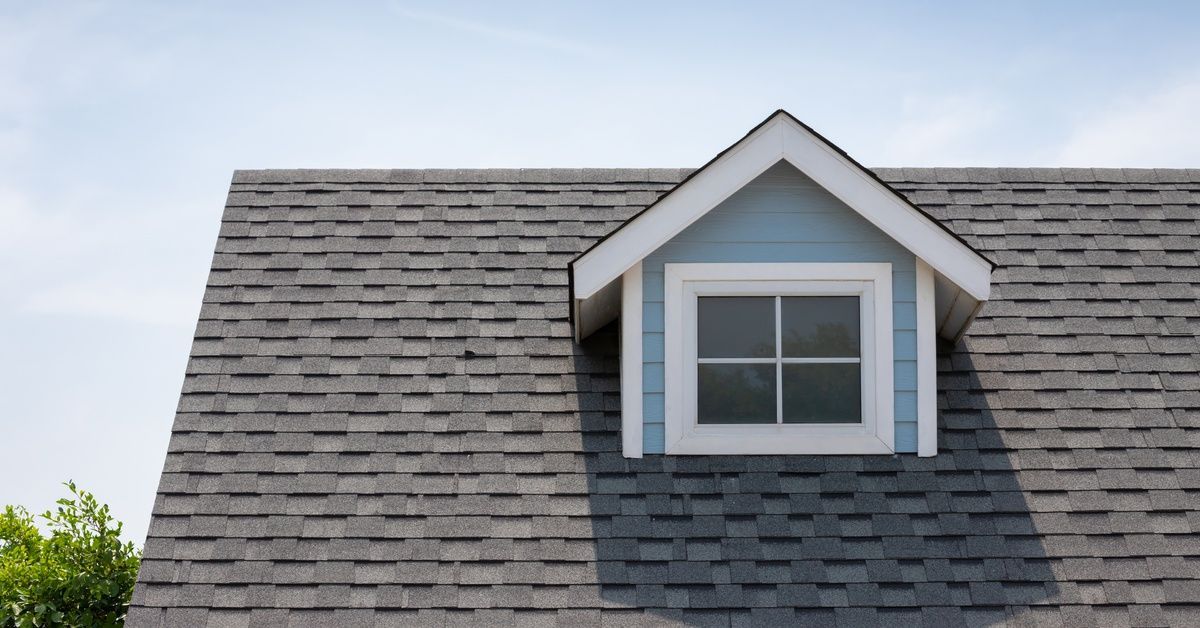
- curling or lifting shingles
- cracked or broken shingles
- missing shingles in several areas
- bald or visibly worn patches
- uneven shingle surfaces
Check Your Roof After Severe Weather
Strong wind, hail, and heavy snow can accelerate roof wear even if everything looked fine beforehand. After a major storm, check from the ground for loose materials, fresh debris, or areas that suddenly look different. You may also notice new leaks or stains inside your home after the weather passes.
Asphalt Shingles Are Losing Granules
Asphalt shingles have granules on their surface that contribute to their durability and weather resistance. Noticeable granule loss may mean the shingles are wearing down. You may see sections that look smoother, darker, or patchier than the surrounding roof.
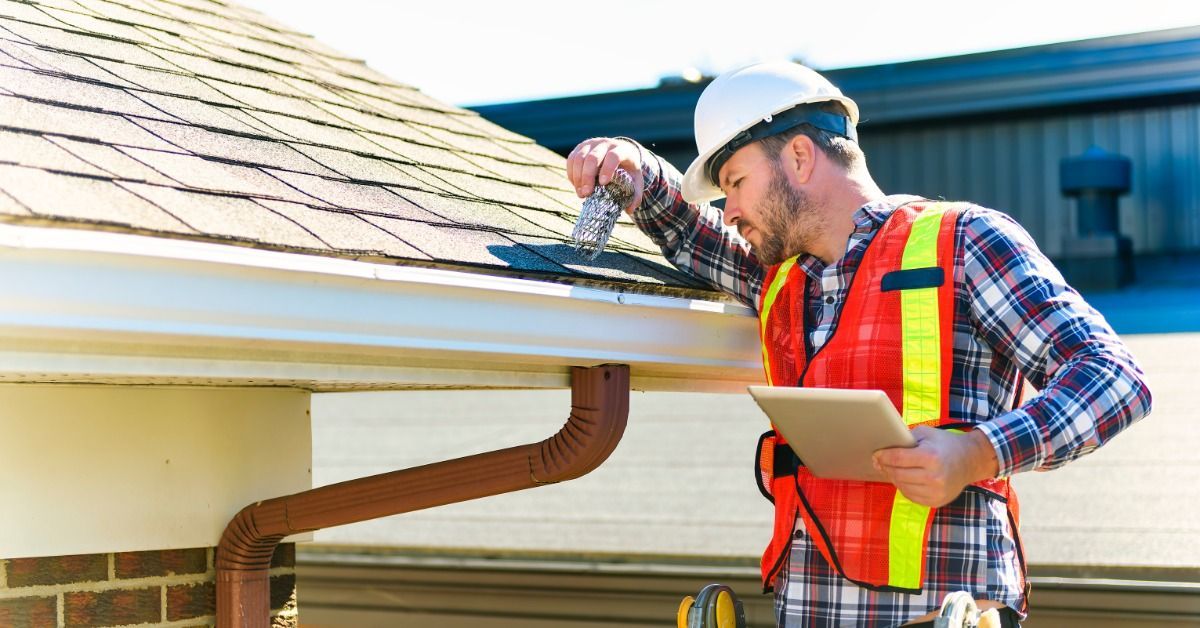
Loose granules may collect in gutters or wash out near downspouts as shingles age. A small amount isn’t usually a concern on its own, particularly with a newer roof. If granule loss worsens or continues over time, especially alongside other visible wear, it may indicate more advanced shingle deterioration.
Metal Panels Are Rusting or Separating
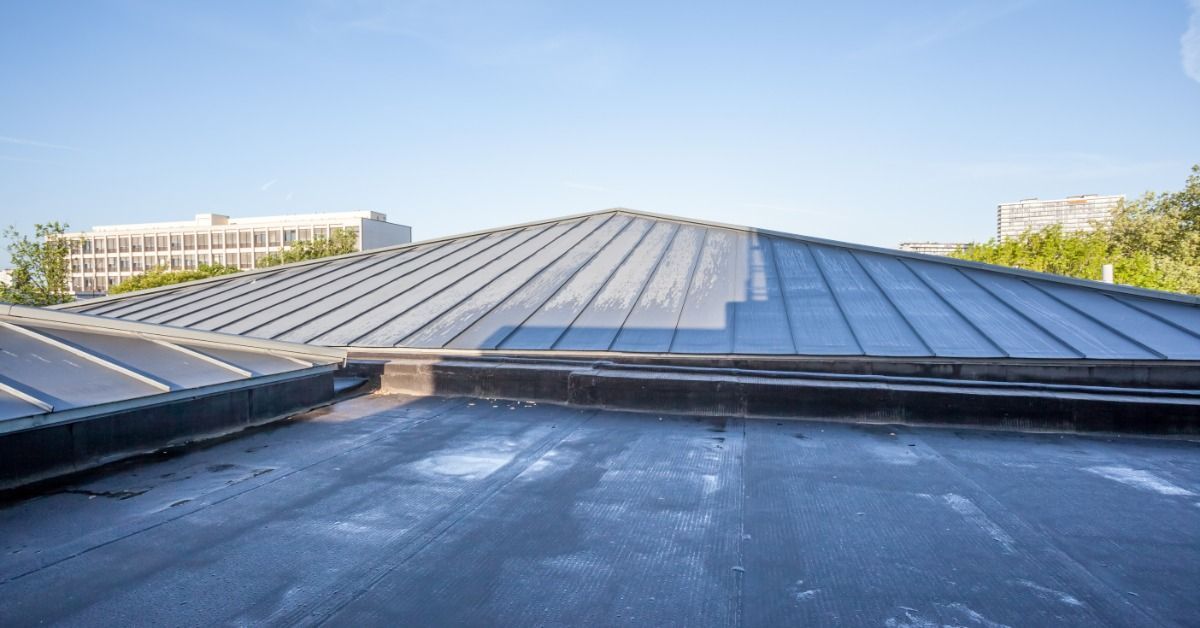
Metal roofs tend to show different signs of wear than asphalt shingles. Rust, loose fasteners, lifting panels, and separating seams can all point to deterioration. Damaged coatings may also expose the metal underneath and increase the risk of corrosion.
The pattern of that damage can reveal how well the roof is still protecting the home. Corrosion that spreads along seams, edges, or fastener points can weaken those areas and make them more vulnerable to moisture. Panels that no longer sit flat or align properly can also interfere with how water moves off the roof.
The Roofline Looks Uneven
A roof should generally look even and consistent when viewed from the ground. Visible dips, waves, or sagging areas may indicate a problem beneath the outer roofing materials. In some cases, the issue can involve damaged decking or other supporting components.
An uneven roofline differs from ordinary surface wear, such as a missing shingle or a small damaged patch. Because the cause may be below the visible surface, it can be difficult to judge without a closer inspection. If the roof looks noticeably uneven or unstable, it’s safer to have a professional evaluate it rather than climbing up yourself. Professional residential roofing services can assess the decking, structural components, and surrounding roofing materials to identify the source of the problem. If the roof can’t be repaired effectively, the contractor can replace it to restore proper protection.
The Roof Leaks
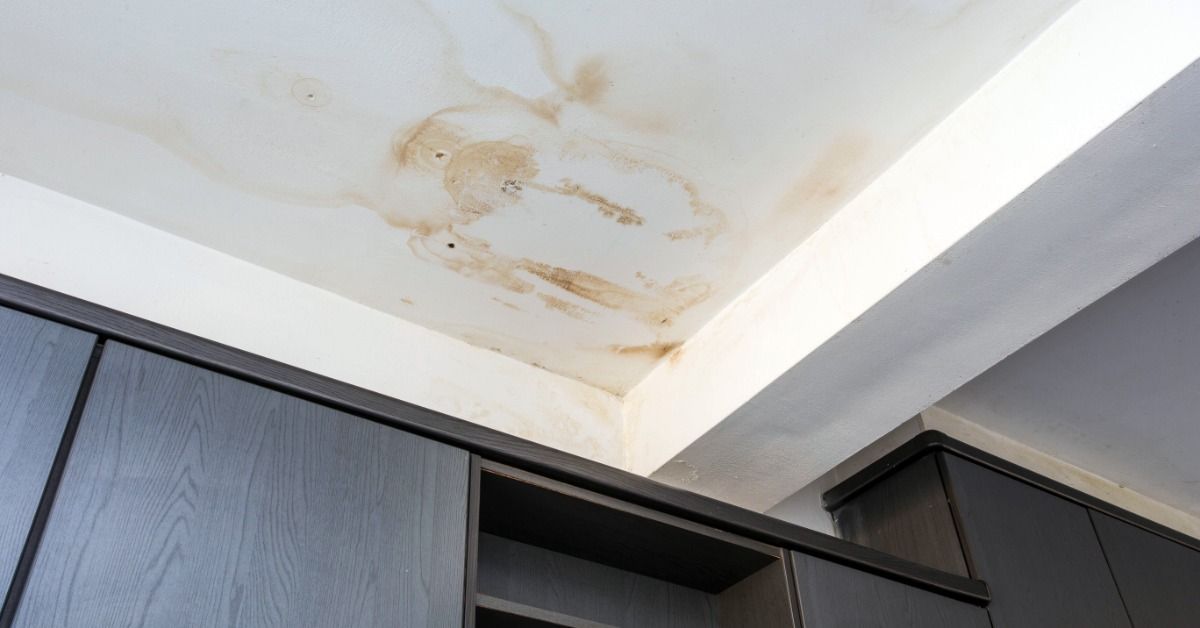
A single leak may come from a localized issue, such as damaged flashing or a problem near a roof penetration. When leaks keep returning or appear in different parts of the home, the roof may have several weak areas instead of one isolated defect. Water can also travel along roofing materials or framing before it becomes visible indoors.
To find signs of a roof leak, you can:
- Look for brown or yellow stains, peeling paint, or damp spots on ceilings and upper walls.
- Check attic insulation for wet, matted, or discolored areas after rain or melting snow.
- Watch for dark stains, soft spots, or visible moisture on the underside of roof decking.
- Check around vents and chimneys for dampness, staining, or deteriorated materials.
- Look for water marks or damage where roof sections meet or pipes and vents pass through the roof.
Roof Components Are Failing
Shingles aren’t the only parts of a roof that can wear down over time. Flashing, vents, valleys, seals, and fasteners protect joints, openings, and other areas where water could enter. If several of these components are damaged, the roof may be losing protection in multiple places.
Sometimes, contractors can repair individual problems, especially when the surrounding roof is still in good condition. However, repeated damage can signal that the system is aging more broadly. A professional inspection can determine whether targeted repairs are enough or whether replacement would be more practical.
Repairs Are Becoming More Frequent
Most roofs need occasional maintenance or repair during their service life. The bigger concern is when one repair is followed by another issue elsewhere. When new leaks, damaged materials, or component failures keep appearing, the roof may be reaching a point where isolated repairs no longer solve the larger problem.
It can be useful to look back at what has already been repaired and how recently the work was completed. If similar problems keep returning or new ones develop soon after other repairs, that history can reveal a broader pattern. A full replacement can reduce ongoing repair costs, restore protection, and improve the roof’s appearance.
A new roof can do more than solve an immediate problem. It can give you greater confidence in how your home handles future weather, maintenance, and everyday wear. If you’re unsure whether your current roof still has useful life left, a professional assessment can give you a clearer answer. Contact Leon Construction to discuss your roof’s condition and take the next step to protect and refresh your home.