
How a Home Improvement Contractor Simplifies Projects

Home improvement projects can start with one simple idea and quickly grow into a long list of decisions, schedules, deliveries, and moving parts. Several steps depend on one another, but staying organized can be difficult. A home improvement contractor simplifies projects by managing many of those responsibilities behind the scenes. See how a contractor can give your project a smoother path from start to finish.
Understanding the Full Project Scope
A well-organized project starts with a clear understanding of what needs to be done and how the different parts connect. A contractor can review your goals, identify the main phases of the job, and determine what needs to happen before work begins. This gives everyone a shared reference point as the project moves forward.
Depending on the size and type of project, a contractor may:
- Define the planned work.
- Organize project phases.
- Coordinate necessary permits.
- Schedule crews and subcontractors.
- Plan material needs.
- Prepare for required inspections.
- Track project details and changes.
Permits and Inspections
Some home improvement projects require permits or inspections at specific stages of the work. A contractor can determine what may be required, coordinate timing, and ensure an inspection occurs before work proceeds. Managing these requirements can prevent administrative steps from becoming unexpected delays.
Creating One Point of Contact
Renovations often involve several people, so it can be frustrating if you're unsure who to contact with a question or update. Communicating with the home improvement contractor simplifies projects that could otherwise require you to communicate separately with multiple people. They are your point of contact for scheduling, project details, concerns, and next steps.
Clear communication makes it easier to understand what’s happening now and what’s coming next. Your contractor can relay information between you, crews, subcontractors, and others involved in the work. Instead of piecing together updates from several sources, you have one person to turn to when questions come up. That structure can also reduce confusion when schedules shift or project details need to change.
Coordinating Crews and Scheduling
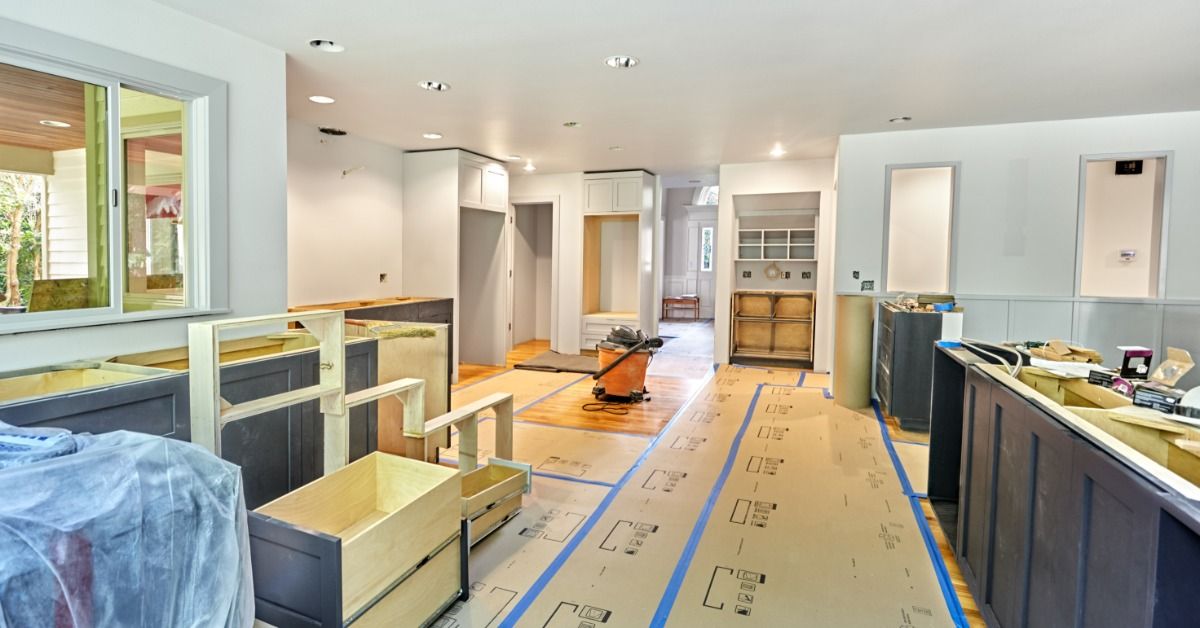
Many home improvement projects involve several crews whose work depends on what happens before them. A contractor builds the schedule around those dependencies so each team arrives when the site is ready for its part of the job.
Good scheduling is about more than choosing dates. A contractor adjusts the order of work as needed, coordinates timing between trades, and accounts for delays that could affect later stages. That coordination creates a steadier workflow and makes it easier for each phase to lead into the next.
Managing Materials and Deliveries
Materials need to arrive when crews are ready to use them, but bringing everything to the property too early can create storage and access problems. Contractors can coordinate orders and delivery timing around the project schedule. They can also consider where materials, equipment, and vehicles can be placed without obstructing ongoing work.
When managing materials and deliveries, contractors may:
- Confirm required materials before ordering to reduce the chance of missing key items.
- Schedule deliveries around installation dates so materials arrive when crews are ready for them.
- Check order quantities to ensure there’s enough material for the planned work.
- Plan material storage so supplies stay organized, accessible, and protected on-site.
- Coordinate equipment arrival so crews have the tools and machinery they need at the right time.
- Prepare access for delivery vehicles to make unloading safer and more efficient.
- Track materials needed later so future phases aren’t delayed by missing supplies.
Helping With Project Decisions

During a renovation, homeowners make choices about materials, layouts, finishes, and other details that can shape the rest of the project. A contractor can guide those decisions in a logical order so you’re not choosing something before the surrounding details are settled. They can also explain when one selection may affect installation, scheduling, or another part of the work. This coordination is another way that home improvement services can support a more organized project and stronger results.
Not every option will be the right fit for every home, budget, or project goal. A contractor can explain the differences among available options and highlight factors such as maintenance needs, appearance, installation requirements, and long-term use.
Handling Changes
Even a carefully planned renovation can require adjustments after work begins. Existing conditions, material availability, or changing preferences may affect what happens next. A contractor can respond to those changes while keeping the broader project in view.
A change in one area can affect more than a single task. It may alter the schedule, require different materials, or affect another crew’s work later in the project. A contractor can review those connections before revising the plan.
Keeping Quality and Details Consistent
A home improvement project includes many details that need to stay aligned from start to finish. Contractors can monitor the work as it progresses and compare completed tasks with the agreed project scope. If a detail needs clarification or correction, they can address it with the appropriate crew before the project moves too far ahead.
This consistency becomes especially valuable when several trades contribute to the same space or structure. Decisions made earlier can affect measurements, installation points, finishes, and later stages of work. Keeping those details connected supports a smoother handoff from one phase to the next.
Making the Project Easier to Manage
Hiring a contractor doesn’t mean you stop being involved in your project. Instead, it gives you someone who can take responsibility for much of the scheduling, coordination, communication, and logistical work happening behind the scenes. You can stay involved in the decisions that affect your home without having to manage every moving part yourself.
That structure becomes especially useful as a project grows in size or involves several types of work. You have a clearer idea of what stage the project is in and where to bring questions as they come up. A defined process can make the experience feel more organized from beginning to end.
Updating your home doesn’t have to make you feel overwhelmed. The right contractor brings structure to the process while keeping you involved in the decisions that shape your home. With someone managing the details, you can focus more on the choices that matter to you and less on coordinating every step yourself. That can make the entire experience feel clearer, more manageable, and more rewarding.