How To Choose a Reliable Roofing Company
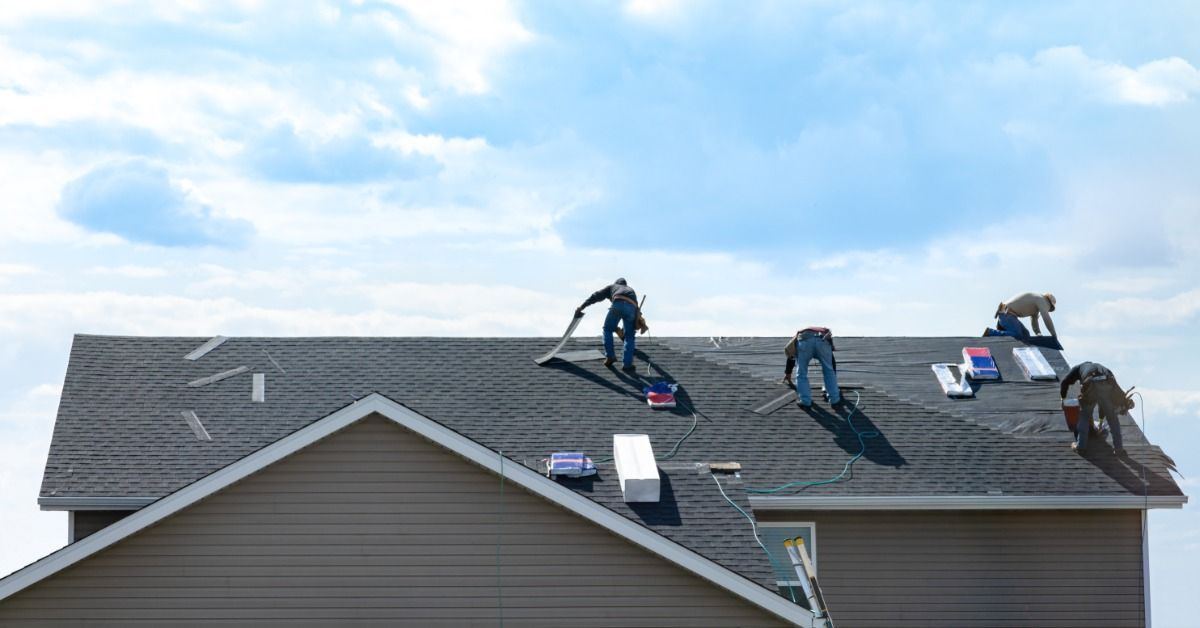
Storm damage, missing shingles, and mystery leaks can make anyone want help from the first roofing company that answers the phone. That rush, however, is exactly when bad decisions get expensive. Choosing a reliable roofing company involves checking their credentials, communication style, and completed jobs rather than price alone. Since roofing is a major project with many moving parts, you want a reliable contractor who can handle the job with skill.
Check Local Credentials
A reliable roofing company should have a real business presence, accurate contact information, and the required registrations in your area. Registration does not prove that a company will do great work, but it does give you a basic starting point for verification. That first step helps you confirm that the business is legitimate and active. It also gives you a better sense of who you are inviting onto your property.
Ask for the company’s full business name and look it up before you schedule work. A contractor with a stable local presence is usually easier to reach if questions come up during the job or after completion.
The Value of Local Roofers
Local companies build their reputation one neighborhood at a time. That matters when you need follow-up service, warranty help, or future inspections. Contractors who work in the area regularly are more likely to recognize how local weather affects ventilation, flashing, ice buildup, and drainage. You are not just hiring labor for a day; you are hiring work that should protect your home for years.
Verify Insurance Details
Roofing is skilled work that happens in a high-risk environment, so it’s important to verify the contractor’s insurance details. Ask for proof of liability coverage and workers’ compensation coverage.
This step protects you as much as it protects the contractor. Liability coverage helps if your home or property gets damaged during the project. Workers’ compensation also protects you from potential issues if a crew member gets hurt while working on your roof.

Read Reviews Carefully
Strong reviews usually describe a process, not just an outcome. They can help you understand how the contractor handles punctuality, cleanup, and communication. A reliable roofing company should have feedback that sounds specific rather than vague or copied.
Pay attention to trends rather than a single dramatic complaint or a glowing testimonial. If multiple customers mention clear estimates, respectful crews, and responsive follow-up, that information can help you choose a reliable roofing company.
What’s at Stake?
An untrustworthy roofing contractor may cut corners with materials, skip important steps, or leave problems only partly fixed. Some promise one scope of work and then deliver something much less thorough once the job starts. Others disappear when leaks, installation issues, or cleanup problems show up afterward. That is why it is so important to vet prospective contractors carefully before you agree to any work.
Obtain a Written Estimate
Some companies offer a free estimate, which usually means they will inspect the roof and talk through the project at no charge. That initial visit is useful, but it is only the beginning. You still want a written estimate that explains the proposed work in detail.
A written estimate gives you something specific to review after the appointment. It should clearly list materials, labor, cleanup, timelines, and payment terms so you know what the price includes. A free estimate may cover the visit and general pricing discussion, while a written estimate puts the scope of work on paper.
Ask About Roofing Scope
Some roofing companies focus only on full replacements, while others also handle targeted repairs, leak diagnosis, and related exterior issues. That difference matters because your property may need something more specific than a total reroof.
A reputable contractor should explain what your roof truly needs.
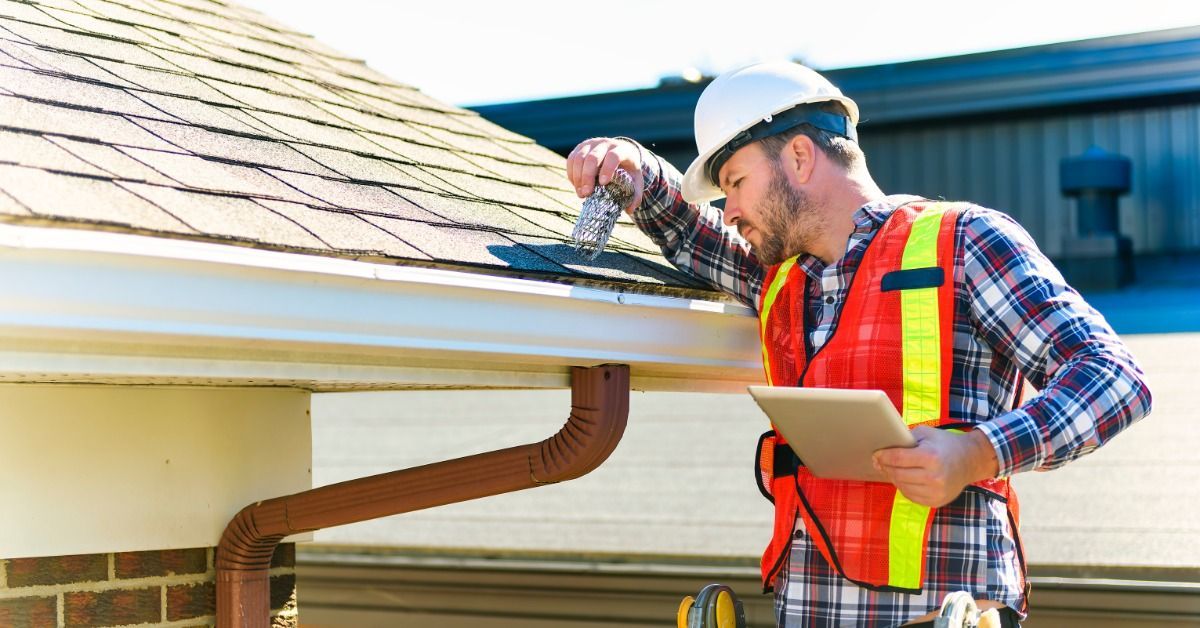
If the problem is isolated, a roof repair service should begin with a close inspection of the damaged area, the surrounding materials, and the source of moisture intrusion. In plain terms, that means the company should identify why the problem happened, what parts need repair, and whether the issue points to a larger roofing concern. Additionally, the contractor should explain the limits of repair versus replacement, so you know what lifespan and value to expect from the work.

Review the Contract
Never rely on a handshake, a text thread, or a promise made at the end of a driveway conversation. A signed contract should cover business information, project details, cost, payment terms, materials, and timing. Blank spaces should be filled in before you sign anything.
Take time to read the warranty language too. Some warranties cover materials, while others address workmanship, and those are not the same thing. Every important promise should appear in writing.
Watch for Pressure Tactics
Reliable roofing companies do not need to corner you into a rushed decision. Be cautious when someone shows up uninvited, pushes immediate action, asks for large cash payments, or tries to make you commit before you have time to review the details. A calm, credible contractor should welcome questions and give you room to compare options.
Judge Communication Quality
A company that communicates well before the contract usually makes the rest of the project more manageable. You can use the estimate visit to test how the company handles practical questions. Ask who supervises the crew, how cleanup works, and what happens if any hidden damage is found once the shingles come off. Helpful contractors give direct answers and do not treat basic questions as a nuisance.
These signs usually point to healthy communication during a roofing project:
- Calls or messages get timely replies.
- The estimator answers questions directly.
- Expectations are clear before work starts.
- The company explains changes in writing.
- They explain their cleanup process and what to expect during the final walkthrough.
The right roofer communicates clearly, puts important details in writing, and treats your home with care throughout the project. Roofing repairs and replacements are major undertakings, and you don’t want to be disappointed. Vetting contractors before you hire one can help you avoid unnecessary stress, poor workmanship, and costly setbacks. When you are ready to move forward with your roofing project, contact Leon Construction to talk through your options.