How New Gutters Help Protect Your Home’s Foundation
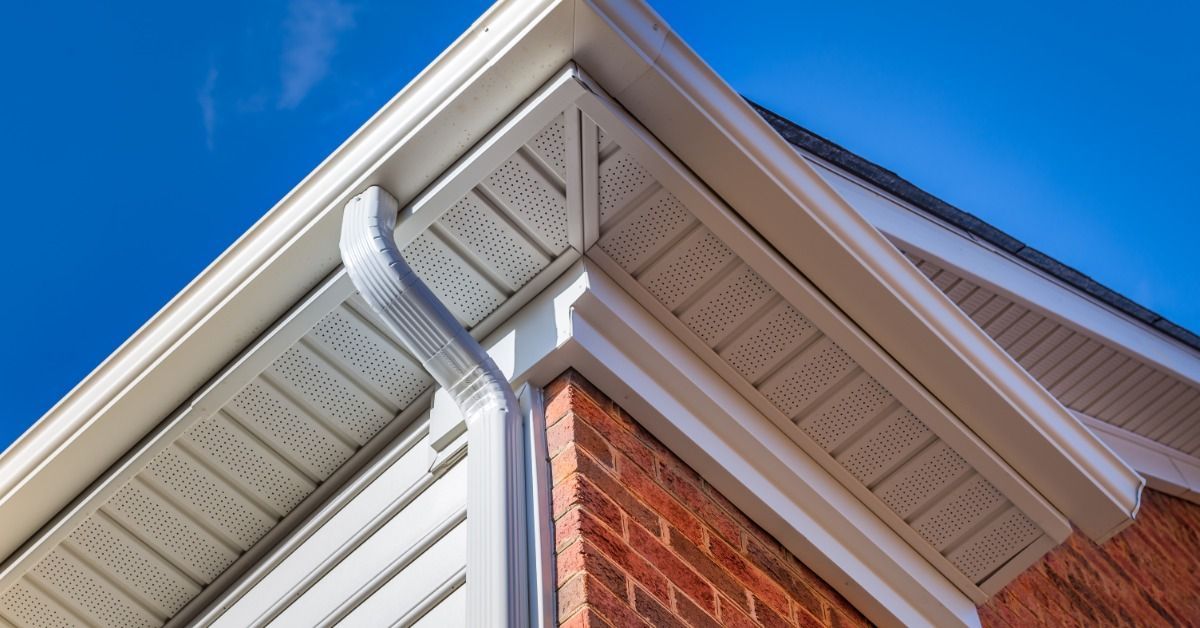
Your gutters and foundation may seem like two completely separate parts of your home, but they're closely connected. Every time it rains, your gutters control where roof runoff goes and how much reaches the ground around your house. When gutters are old or damaged, water can collect in the wrong places. New gutters help protect your home's foundation by directing that water away before it contributes to structural damage. Here's how replacing worn-out gutters can prevent common problems and protect your home over time.
Capture Roof Runoff Before It Overflows
During a rainstorm, a large amount of water can flow down your roof, especially in heavy downpours. Gutters collect that runoff along the roofline and channel it toward downspouts instead of letting it spill onto the ground below. If your current system is damaged or can't handle the volume, water may overflow and collect around your home.
New gutters provide a more reliable way to manage roof runoff, particularly when the existing system has recurring problems. The system keeps large amounts of water from repeatedly hitting the same spots around your home. This limits concentrated moisture exposure near the foundation and reduces the likelihood of drainage problems.
Prevent Soil Erosion
When rainwater pours directly off the roof, it can gradually wash away soil and landscaping materials. Over time, this erosion may create low spots along the foundation or expose areas that were previously covered. By catching runoff before it reaches the ground, new gutters help protect your home's foundation from concentrated water flow that contributes to erosion.
These changes are some common signs of soil erosion in the ground and landscaping around a home:
- More of the foundation becomes visible as the surrounding soil washes away.
- Small grooves or trenches form in the ground where water repeatedly flows.
- Mulch, gravel, or topsoil washes out of place and collects in other areas.
- Low spots or depressions develop as soil gradually erodes.
- Plant roots that were once buried become exposed as the surrounding soil disappears.
Carry Water Beyond the Foundation
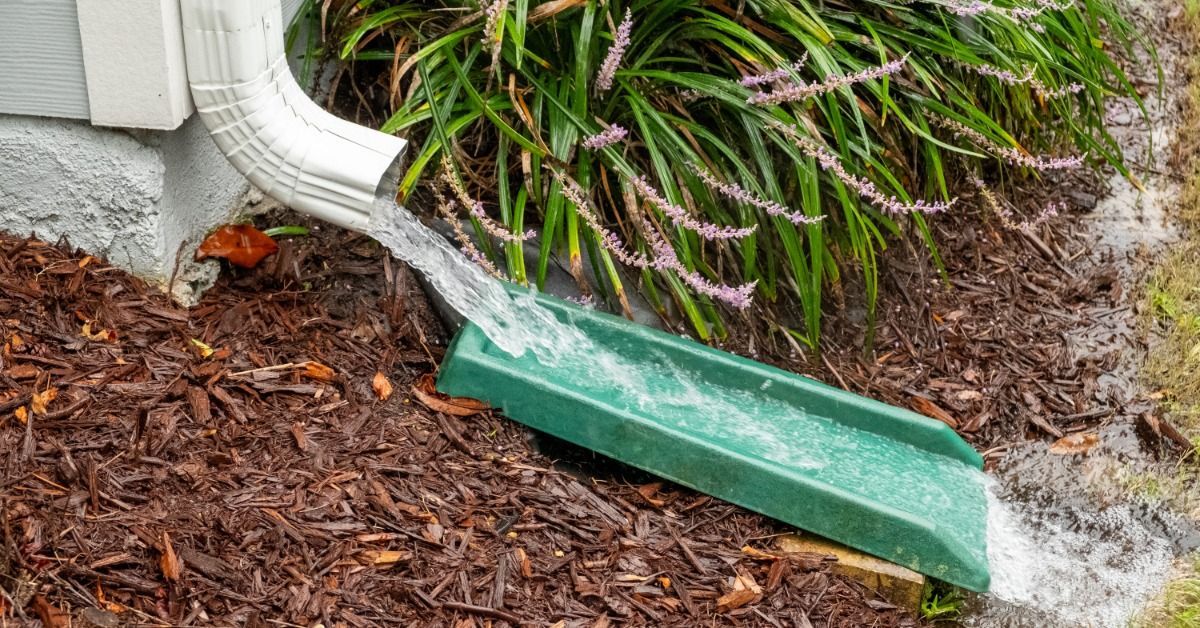
Collecting rainwater is only part of an effective gutter system. Once water reaches the downspouts, it needs to drain somewhere that won't create additional problems. If the outlets are too close to the house, runoff may still saturate the soil surrounding your foundation.
Downspout extensions can move the discharge point farther from your home, while underground drainage lines may work better for certain properties. The surrounding ground should also slope away from the foundation, so water doesn't flow back toward it. A gutter installation contractor can assess these conditions and recommend suitable downspout locations.
Water Discharge Locations
Where your downspouts release water can be just as important as how much they collect. For example, directing runoff onto a walkway can create slippery conditions, while releasing it onto poorly graded ground can lead to persistent puddles. Splash blocks or underground drainage lines direct runoff away from the house without creating new problems elsewhere.
Lower the Risk of Basement Water Intrusion
Water that accumulates outside your foundation may eventually enter your basement. When the surrounding soil becomes saturated, moisture can seep through cracks or other vulnerable areas in basement walls. You might notice damp patches, musty odors, or even standing water after prolonged rainfall.
By redirecting roof runoff, new gutters reduce one source of moisture that can contribute to these conditions. This is especially useful during periods of frequent rain, when the soil may already be holding a lot of water. However, recurring basement leaks may also require changes to the property's grading or additional drainage systems.
Reduce Freeze-Thaw Damage Near Foundations
Cold weather creates another concern when moisture reaches vulnerable foundation materials. Water that enters cracks or certain porous surfaces can freeze when temperatures drop below freezing. As it turns to ice, it expands and may place additional stress on the surrounding material.
In areas with cold winters, repeated freezing and thawing can gradually contribute to deterioration. Gutters limit how much roof runoff reaches foundation walls and other surfaces where moisture can collect. Although they can't prevent every type of freeze-thaw damage, keeping excess water away reduces one factor that can make the problem worse.
Minimize Uneven Foundation Movement
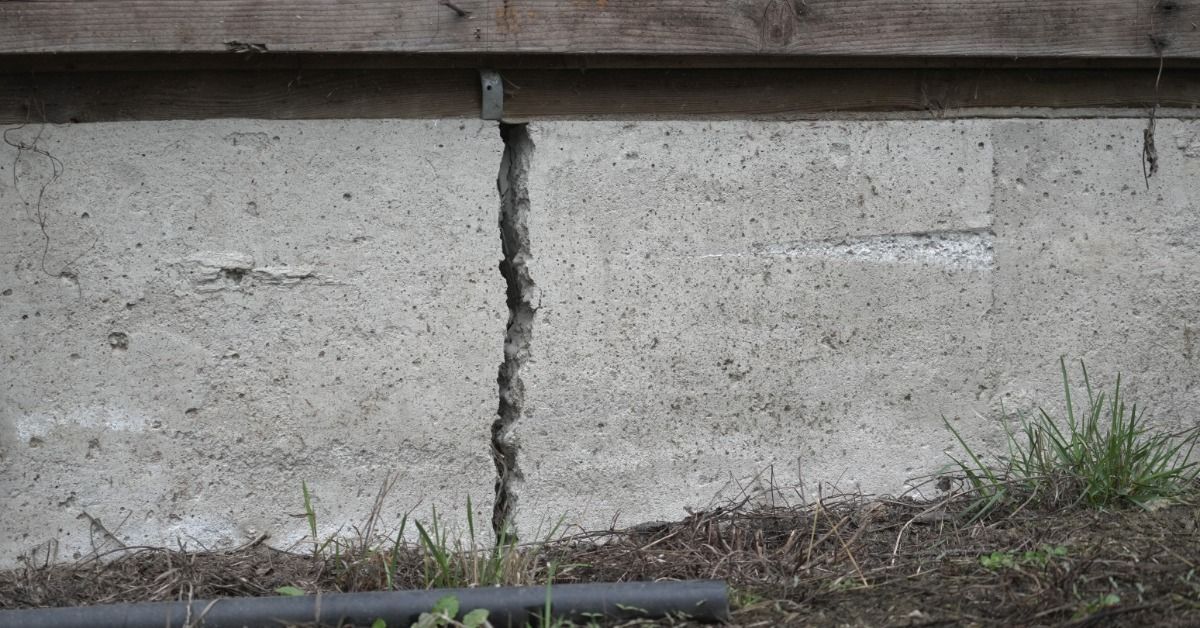
The soil beneath your home plays an important role in keeping the foundation stable. Some soils expand when they absorb moisture and shrink as they dry, which can create uneven support over time.
When a foundation settles or shifts unevenly, that movement can affect parts of your home:
- Uneven settling puts stress on brick or concrete block walls, causing stair-step cracks along mortar joints.
- Shifting walls can distort door and window frames, making them stick or difficult to close.
- Changes in the foundation's position can cause sections of flooring to slope or become uneven.
- Movement can separate trim from surrounding walls, leaving visible gaps around doors and windows.
- Continued shifting may cause existing cracks to spread or become wider.
Maintain Dependable Drainage Over Time
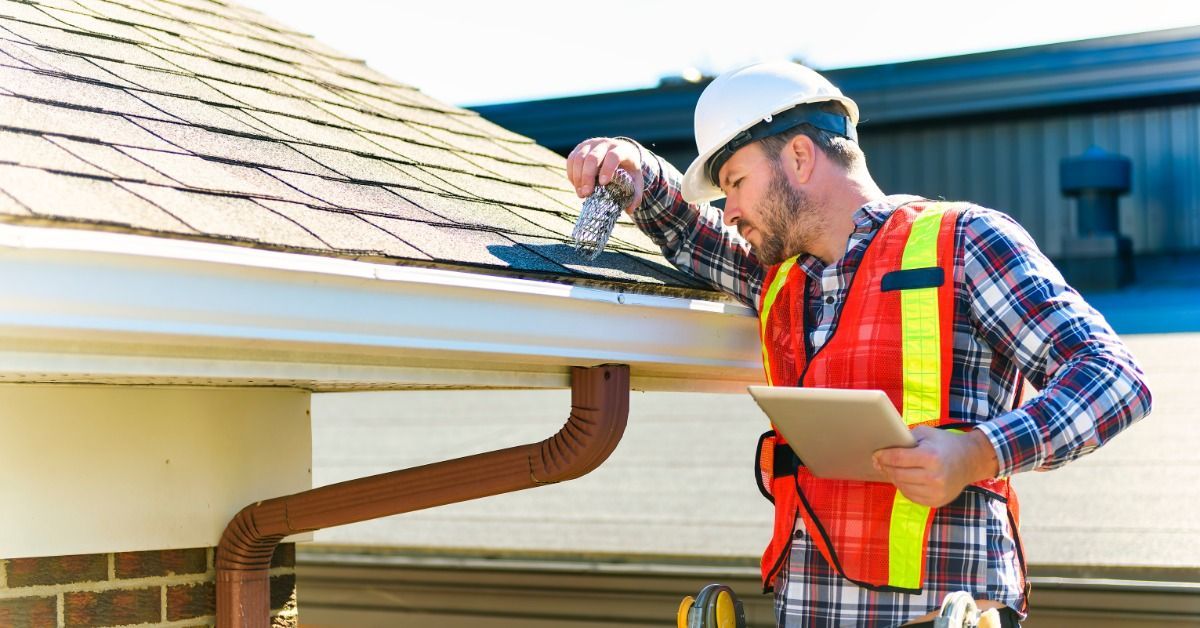
Even if your gutters worked well when they were first installed, years of exposure to the elements can take a toll. Connections may loosen, sections may sag, and worn seals or corrosion can cause leaks. When these problems become widespread, replacing the system may be more practical than continuing to make repairs.
Proper installation also influences how well your new gutters perform over time. They need a consistent slope and secure attachments so water can flow efficiently toward the downspouts. Once installed, regular cleaning and inspections can prevent debris buildup.
Seamless Gutters Reduce Leak Points
Traditional sectional gutters have multiple joints where individual pieces connect, and those connections may weaken as seals deteriorate. Seamless gutters are made in longer continuous sections, reducing the number of joints along the roofline. With fewer potential leak points, water has less opportunity to escape before reaching the downspouts.
A dependable gutter system protects your home in several ways, from limiting soil erosion to reducing moisture exposure around foundation walls. Proper sizing and downspout placement both affect performance. While new gutters can't prevent every foundation problem, they can address an important source of excess water around your property. If your existing gutters frequently overflow, leak, or show signs of deterioration, Leon Construction can evaluate your system and repair or replace it based on your home's needs.