When Gutter Replacement Makes More Sense Than Repairs
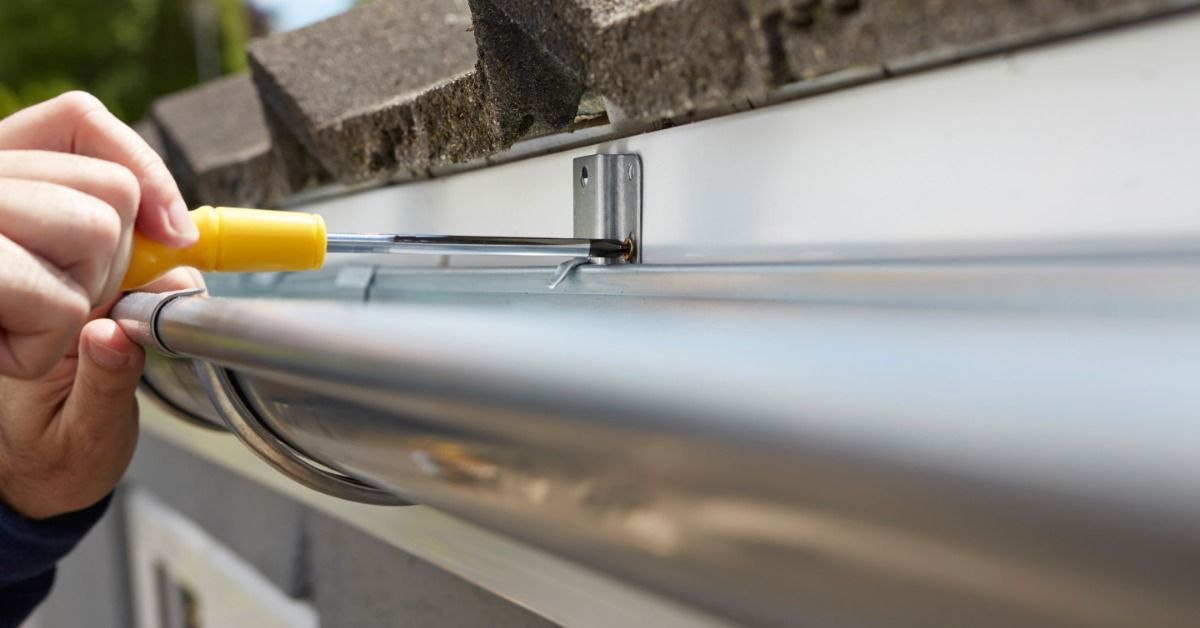
A loose section, a small leak, or an overflowing corner can make it tempting to patch your gutters and move on. In many cases, a straightforward repair is enough, but repeated problems can make it less practical. Knowing when gutter replacement makes more sense than repairs can keep you from fixing a system that’s already nearing the end of its useful life. Looking at a few key factors can make the decision easier.
The System Is Old
Gutters face rain, snow, temperature fluctuations, debris, and other outdoor conditions year-round. Over time, those conditions can weaken materials and connections, even without a major failure. Considering the age of your gutters alongside their current condition gives you a more complete picture of whether repairs are still worthwhile.
Gutters typically last about 20 years, though their lifespan can vary depending on the material, installation quality, maintenance, and local weather conditions. Age alone doesn’t mean your gutters need to be replaced, so it’s important to look at how the system is performing overall.
Damage Is Widespread
One damaged section doesn’t necessarily mean the entire gutter system needs to be replaced. If the surrounding gutters are still secure and functioning properly, a contractor may be able to repair or replace only the affected area. However, deciding between gutter replacement and repair becomes more complicated when damage appears across several sections.
When damage appears in several areas, it may point to overall system deterioration rather than one isolated issue. Replacing individual sections may solve the most noticeable issue without addressing other weakened areas. Looking at the entire system can make it easier to judge whether targeted repairs are likely to hold up.
Common types of gutter damage include:
- cracks or holes in gutter sections
- separated or leaking seams
- bent or dented gutter runs
- loose brackets and fasteners
- damaged corners or end caps
- sections pulling away from the fascia
Frequent Repairs
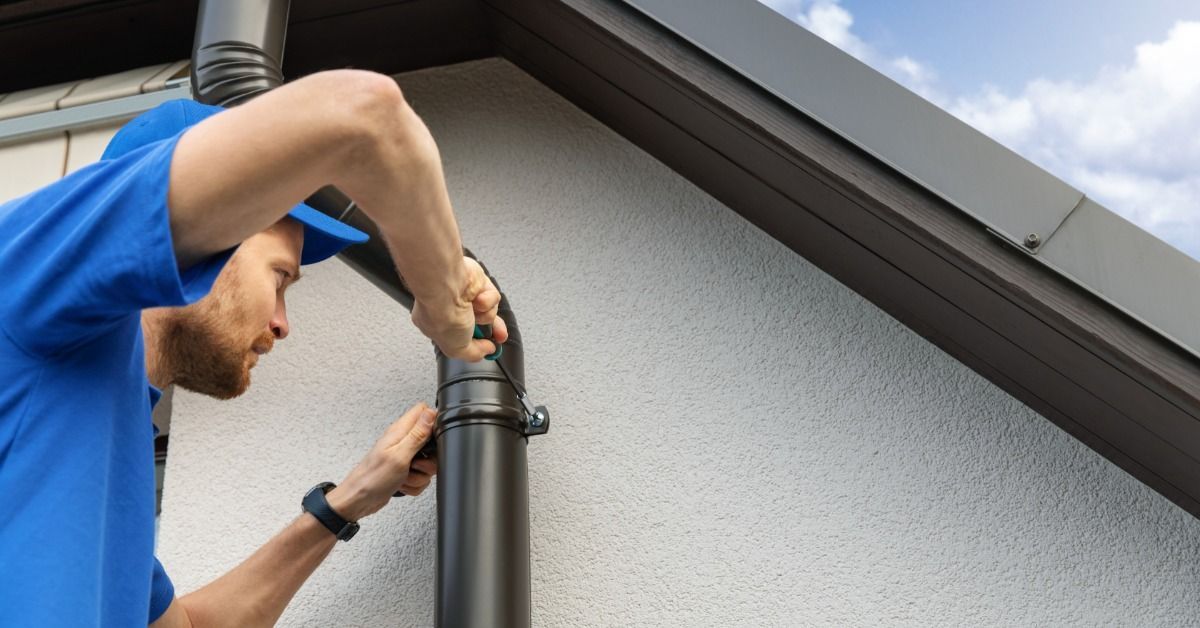
An occasional gutter repair is a normal part of home maintenance, especially after severe weather or accidental damage. The situation starts to look different when you’re repeatedly fixing leaks, seams, fasteners, or sagging sections. A growing repair history may be a sign that the system is no longer staying reliable between service calls.
Pay attention to how often the same problems return and whether new issues keep appearing elsewhere. Several smaller repairs over a short period can add up in both cost and inconvenience. Homeowners comparing gutter repair and replacement can talk with a roofing contractor to determine which option makes the most sense for their gutter system's condition.
Leaks Keep Appearing
One small leak may be relatively simple to seal if the surrounding gutter material is still in good shape. Multiple leaks or cracks are more concerning, especially when they appear in different areas of the system. Once water is escaping from several points, the problem may be less about one damaged seam and more about the overall condition of the gutters.
It also helps to look at where those leaks are occurring. If they’re concentrated around one connection, a repair may be enough. If they’re scattered along the roofline or keep recurring after previous fixes, it probably requires replacement.
Rust or Corrosion
Rust and corrosion can gradually weaken metal gutters, making them more prone to holes, leaks, and structural damage. The amount and location of the corrosion can give you a better sense of how much useful life the system may have left.
Look closely at visible areas for discoloration, flaking material, rough patches, or spots where the metal appears thin. Corrosion near seams and fasteners is especially worth noting because those areas already handle stress from connected components.
Why Corrosion Can Be Hard to Repair
Corrosion can weaken the metal around a damaged area, which may make a simple patch less dependable. Even if one visible hole is repaired, the surrounding material may already be thinning. That can make nearby sections more likely to develop leaks later. When corrosion affects a larger area, replacing the damaged run may provide a more stable result.
Gutters Sag or Pull Away
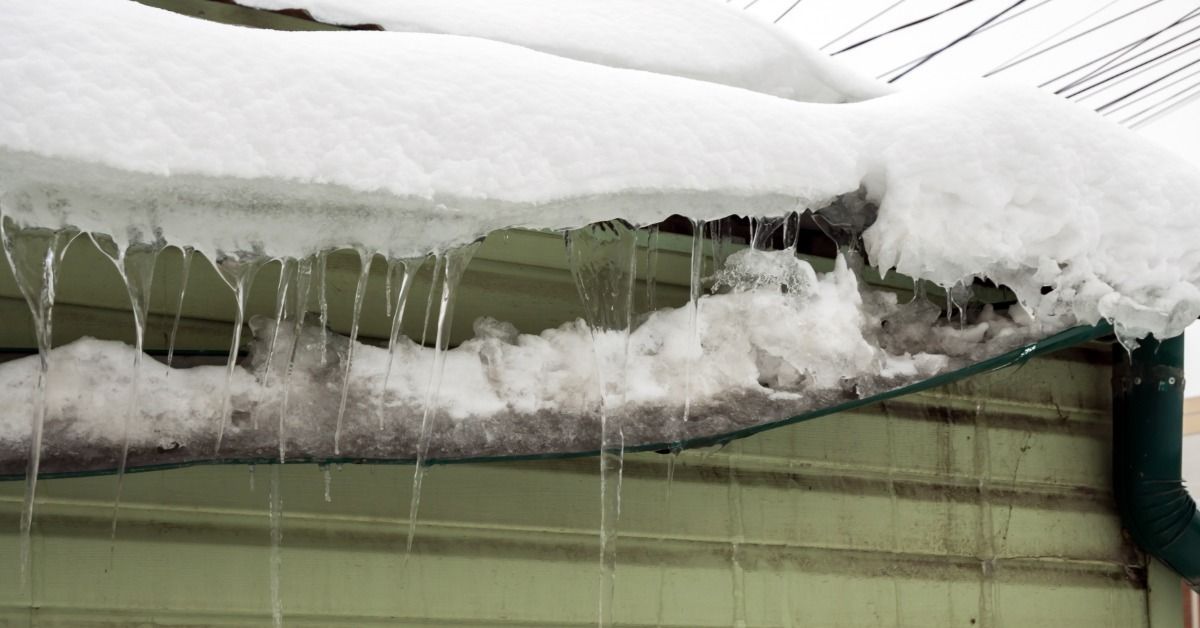
Gutters need to maintain a slight, consistent slope so water can flow toward the downspouts rather than settle in low areas. When sections begin to sag or pull away from the house, water may collect in the gutter or spill over the edge. Loose fasteners, damaged fascia, heavy debris, and weakened materials can all contribute to this problem.
A small alignment issue may still be repairable if the gutters themselves are in good condition. More extensive sagging can point to problems with several parts of the system.
Check the Fascia Behind the Gutters
Sagging gutters aren’t always caused by the gutters themselves. The fascia board behind them can become damaged or weakened, making it harder for fasteners to hold securely. If the fascia is part of the problem, it may need to be repaired before the gutter system can be properly secured.
Ongoing Drainage Problems
Gutters can look intact from the ground and still struggle to move water properly during rainfall. Problems with slope, capacity, downspout placement, blockages, or damaged sections can all interfere with drainage. If cleaning and basic repairs don’t correct the problem, the current system may no longer be performing as it should.
Watch for drainage problems such as:
- water spilling over gutter edges
- standing water inside gutter runs
- runoff collecting near the foundation
- water flowing behind the gutters
- downspouts overflowing during rainfall
- persistent puddles near discharge areas
Repair Costs Keep Adding Up
Repair costs can vary depending on the type of damage, the number of affected sections, and the difficulty of accessing the gutters. A small fix may be relatively inexpensive, while more extensive work can make replacement a closer comparison.
It’s also worth comparing what you’re getting for the money. If a repair only restores part of an aging system, the investment may have a shorter useful return than putting that money toward new gutters. In some cases, replacement can offer better value by providing a fully updated system rather than extending the life of a single section.
When gutter problems start interfering with how water moves away from your home, it’s worth looking beyond the quickest fix. A repair may still be the right choice, but replacement can make more sense when the system no longer provides dependable performance. A contractor can inspect the gutters, explain what’s causing the issues, and outline the practical options. From there, you can make a decision based on the condition of the system rather than guessing from what you can see from the ground.