What To Know Before Starting a Roof Installation
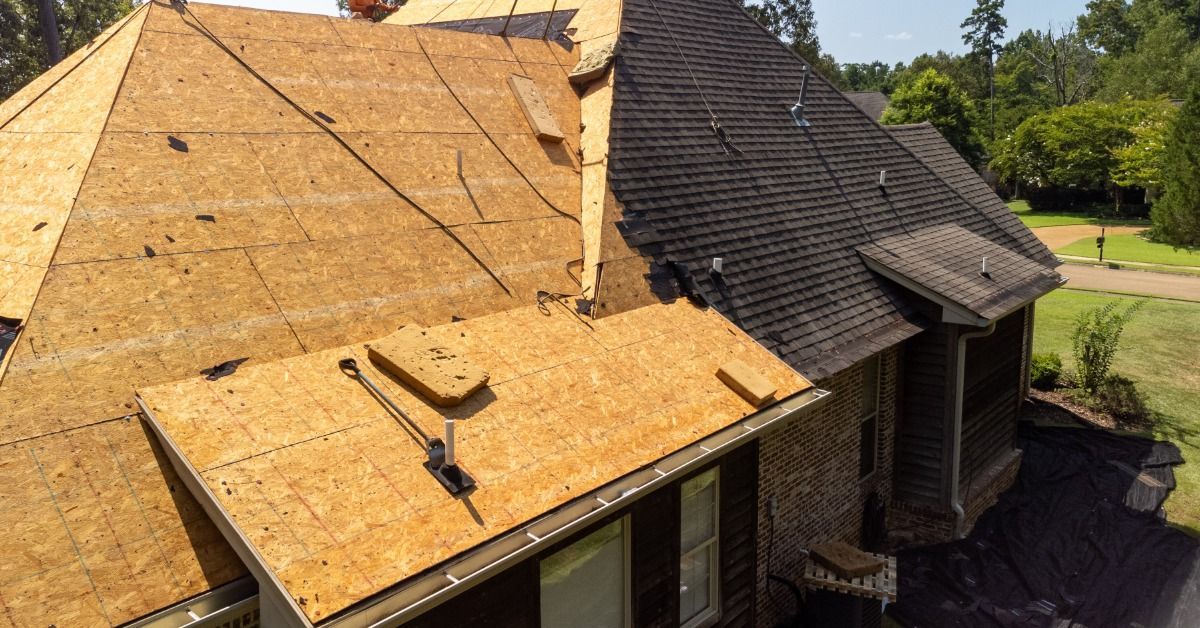
The day your new roof goes on is only one part of the installation process. Long before the crew arrives, decisions about materials, contractor qualifications, and project costs can affect how smoothly the work progresses. Knowing what to consider before starting a roof installation can prevent surprises and help you prepare for the work ahead. Here's what to review, ask about, and arrange before your roofing project begins.
Choose the Right Roofing Material
Roofing materials vary in performance and maintenance needs. Asphalt shingles are a popular residential option because they come in many styles and price ranges. Metal roofing is another possibility, offering a different appearance along with its own durability and maintenance considerations.
Think about how long you plan to stay in your home and which materials fit your budget. You'll also want to consider how much maintenance you're willing to handle over time. A roofing professional can walk you through the options and explain how each one may perform on your home.
Roof Slope and Design
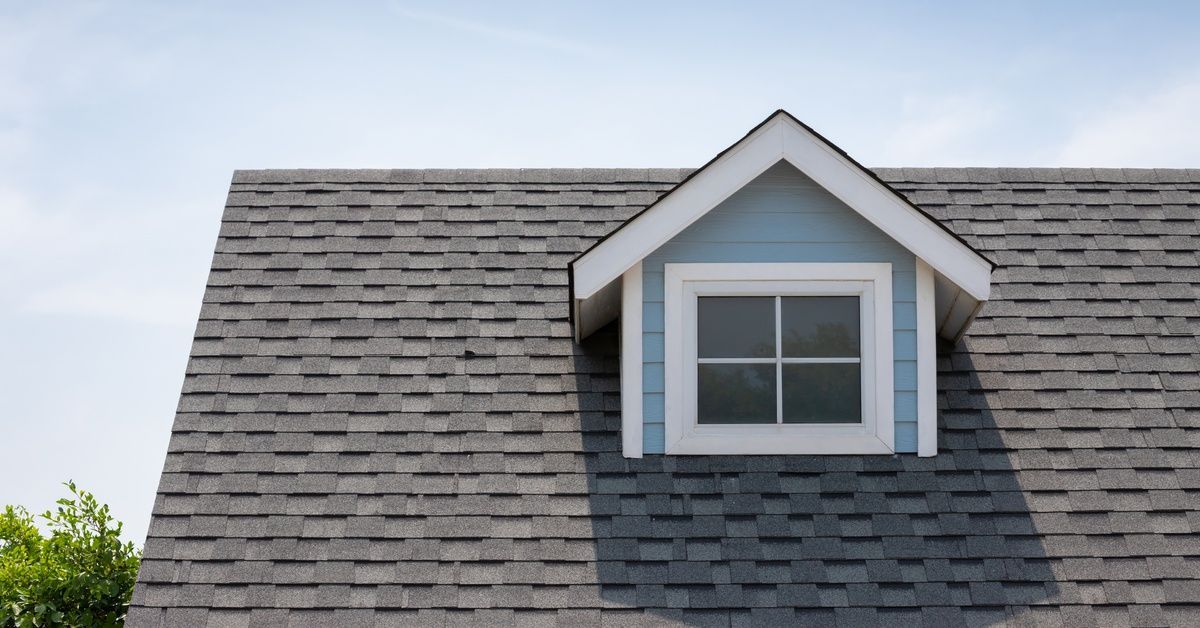
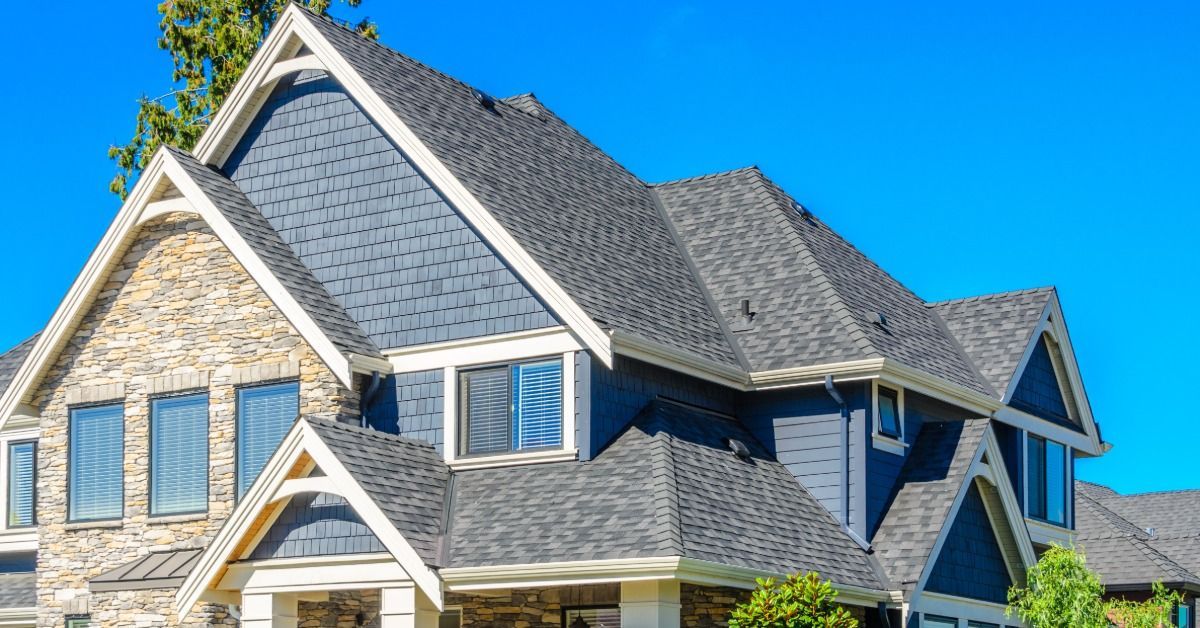
Your roof's slope affects which materials and installation methods will work best. On low-slope roofs, water drains more slowly, so specialized roofing systems may be needed to prevent water from getting beneath the surface. Roofs with valleys, dormers, or other complex features also require careful planning to direct runoff away from vulnerable areas. Your contractor should account for these details when recommending materials and designing the installation.
Understand the Costs Involved
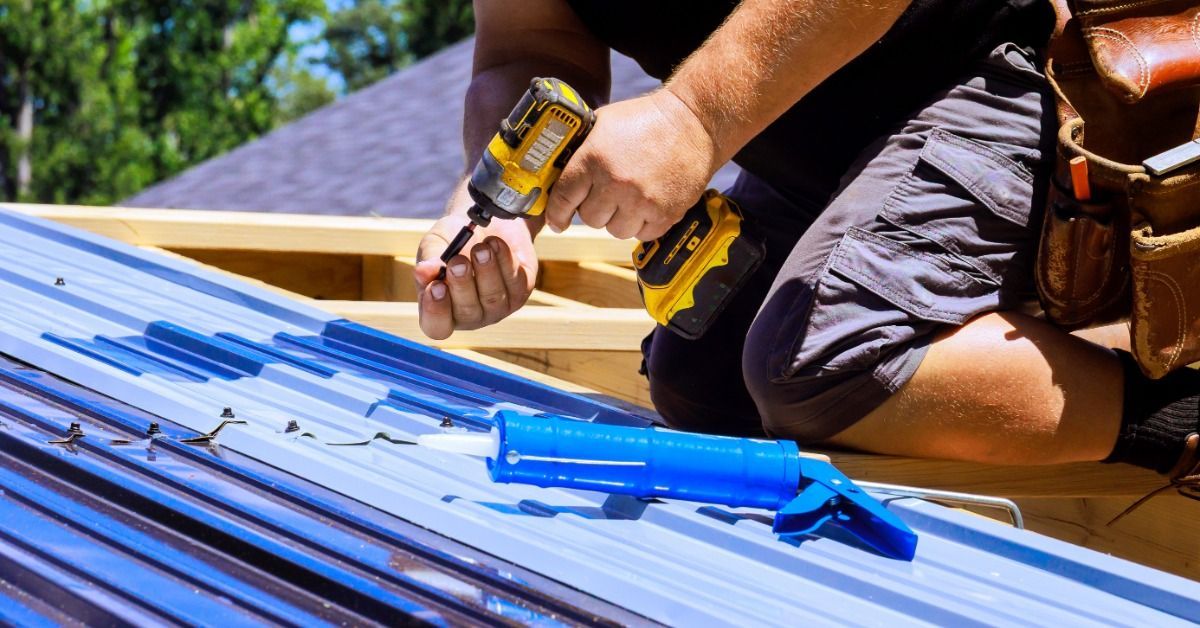
The cost of a new roof depends on much more than the material you choose. Roof size and slope affect how much material is needed and how much labor the installation requires. Accessibility and the complexity of the roof can also influence the price, so it's worth understanding exactly what's included in an estimate.
The cost of a roof installation can include several expenses:
- Roofing materials may include shingles, metal panels, underlayment, flashing, and other components needed for the new roof.
- Labor costs cover removing the existing roofing and installing the new materials.
- Tear-off and disposal fees cover removing old roofing materials and hauling debris away from your property.
- Damaged roof decking may need to be replaced if problems are uncovered during the project.
- Building permits may come with fees set by local authorities.
- Additional costs may apply if vents or other roofing components need to be replaced.
Hire a Qualified Roofing Contractor
One important thing to know before starting a roof installation is that the contractor you hire plays a major role in how smoothly everything goes. Look for someone with experience working on the type of roofing system you're considering. References from previous customers can give you a better idea of their workmanship, communication, and reliability.
A qualified roof installation contractor should provide a detailed written estimate and explain what the project will involve. Ask who will supervise the work and what happens if unexpected problems arise. Discussing these details before signing a contract can prevent confusion once work is underway.
Warranties and Insurance Coverage
Roof installations may include separate warranties for the materials and the contractor's workmanship. Manufacturer warranties typically cover certain product defects, while workmanship warranties address specified installation-related problems. Review the length of each warranty, its exclusions, and any maintenance requirements that could affect coverage. Before hiring a contractor, confirm they carry appropriate liability and workers' compensation insurance.
Check Permits and Local Requirements
Roof installation rules vary by location and the type of work being completed. Depending on your municipality, replacing a roof may require a building permit or inspections at certain stages of the project. Ask your contractor which requirements apply and who will handle the paperwork.
Local building codes can also affect how your roof is installed, especially in areas with heavy snow or strong winds. For example, certain conditions may call for specific fastening methods or other protective measures. If you live in a community with a homeowners association, you may also need approval before changing your roof's material or color.
Prepare Your Property for Installation
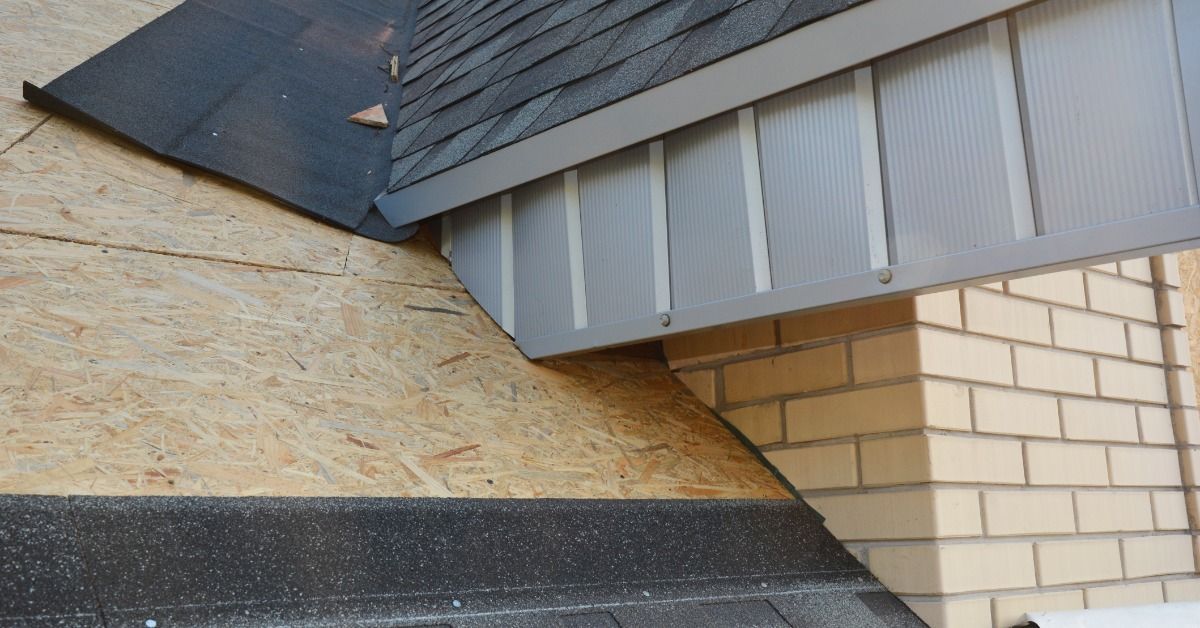
A roof installation brings workers and equipment close to your home, and old materials will need to be removed. Clearing space for these activities keeps the work area organized and reduces the risk of damage to your belongings. Your contractor can explain which parts of the property need to remain accessible throughout the project.
Here are a few ways to get your property ready before installation day:
- Move your vehicles out of the driveway to make room for equipment and waste containers.
- Relocate patio furniture and other outdoor belongings away from the work area.
- Ask your contractor how landscaping near the house will be protected.
- Take down fragile decorations and wall hangings that could shift or fall because of vibrations.
- Keep pets away from the work area and consider arranging a quieter place for them during installation.
- Expect hammering, equipment sounds, and other noise while the crew works, and plan your daily activities accordingly.
Know What To Expect
On installation day, the crew will typically begin by removing the existing roofing materials. With the old roof removed, they can inspect the exposed decking and make any necessary repairs. Next, they install underlayment, flashing, and other protective components, then the new roofing material.
Once the roof is complete, the crew should clear away leftover materials and inspect the finished work. Ask how they'll collect debris and whether you'll have an opportunity to review the completed project. Before the crew leaves, make sure you receive the relevant warranty information and understand any recommended maintenance.
Weather Delays and Scheduling
Even with a planned schedule, weather can affect roof installations. Rain, strong winds, or freezing conditions may make it unsafe to work or interfere with proper material installation. The timeline can also change if the crew discovers hidden damage that requires additional repairs. Before the project starts, find out how your contractor handles delays and protects exposed areas if work needs to stop.
A new roof is a significant investment, and understanding what goes into the project helps you make informed decisions. From choosing materials to preparing your property, each step contributes to a smoother installation. Take the time to ask questions, review your contractor's recommendations, and make sure you understand the work being performed. Leon Construction provides roofing services in Erie, PA, and surrounding areas. Contact us for your new roof installation.