How To Transform Unused Spaces in Your Home
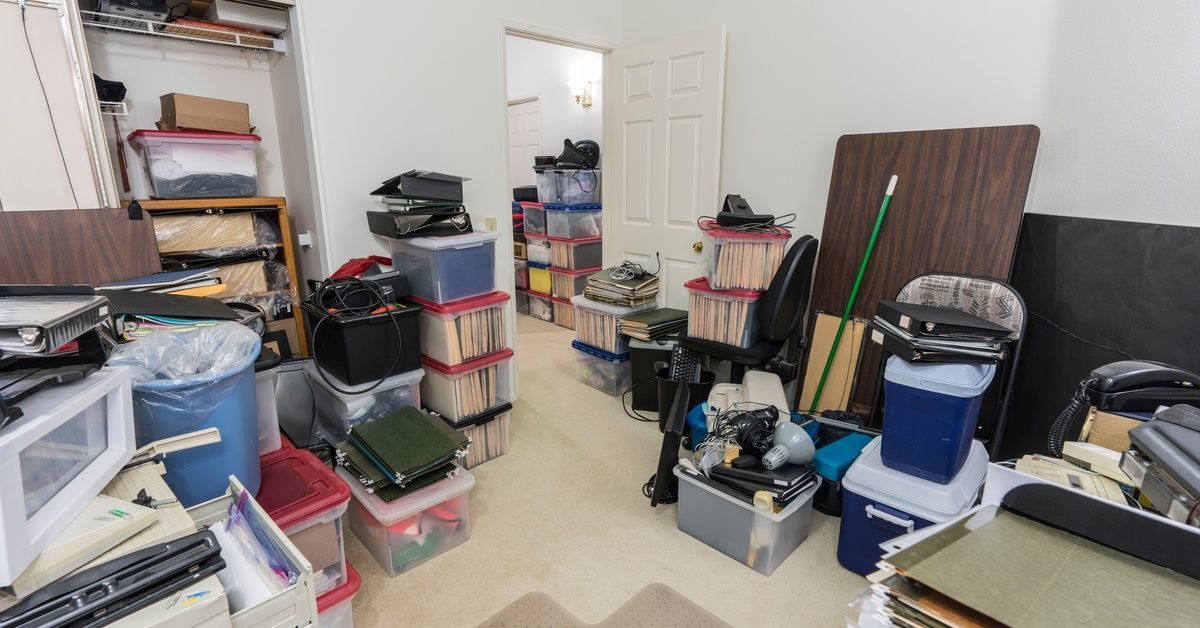
Every home has that one spot where random boxes, spare blankets, or things you “might need someday” seem to gather. Maybe it’s a spare room or a closet you avoid opening. Learning how to transform unused spaces in your home starts by treating those forgotten areas as valuable square footage rather than wasted space. Once those spaces serve a purpose, they can make your home feel more organized, comfortable, and complete.
Match Space to Purpose
Before you choose paint colors, flooring, or furniture, think about what you want the space to do for you. A room can look nice and still miss the mark if it doesn’t support your everyday routine. Pick one main purpose first, then build the details around it.
Here are some ideas for giving unused spaces a clearer purpose:
- A quiet workspace gives you a dedicated spot for calls, paperwork, or focused tasks.
- A mudroom zone keeps shoes, coats, bags, and sports gear from spreading through the house.
- A hobby area gives crafts, music, exercise, or reading a more comfortable place in your home.
- A guest space feels more useful with flexible furniture and better storage.
- A play zone keeps toys in one easy-to-manage area instead of scattered across multiple rooms.
Make Mealtime Spaces More Welcoming
Kitchens and dining areas handle a lot of daily activity, from quick breakfasts to family dinners. Added storage, built-in seating, or extra counter space can make these areas work harder.
Add Clever Storage
Kitchen and dining storage work best when it sits close to the items you reach for every day. A cabinet near the dining table can hold dishes, serving pieces, placemats, or extra linens. Open shelves may work well for cookbooks or decorative items, while closed storage keeps clutter out of sight.
Rethink Seating
Built-in seating can turn an awkward nook or empty wall into a comfortable place to sit. A breakfast bench may create more room around the table than separate chairs, especially in a tighter space. Storage under the bench can also hold seasonal items, small appliances, or kids’ supplies.
Improve Counter Space
Look for places where the kitchen could work harder without feeling crowded. A narrow island, a small peninsula, or a built-in serving counter can add helpful surface space. You can also free up existing counters by moving small appliances into cabinets or by adding nearby storage. A new layout can make food prep, serving, and cleanup easier to manage.
Refresh Spare Bedrooms
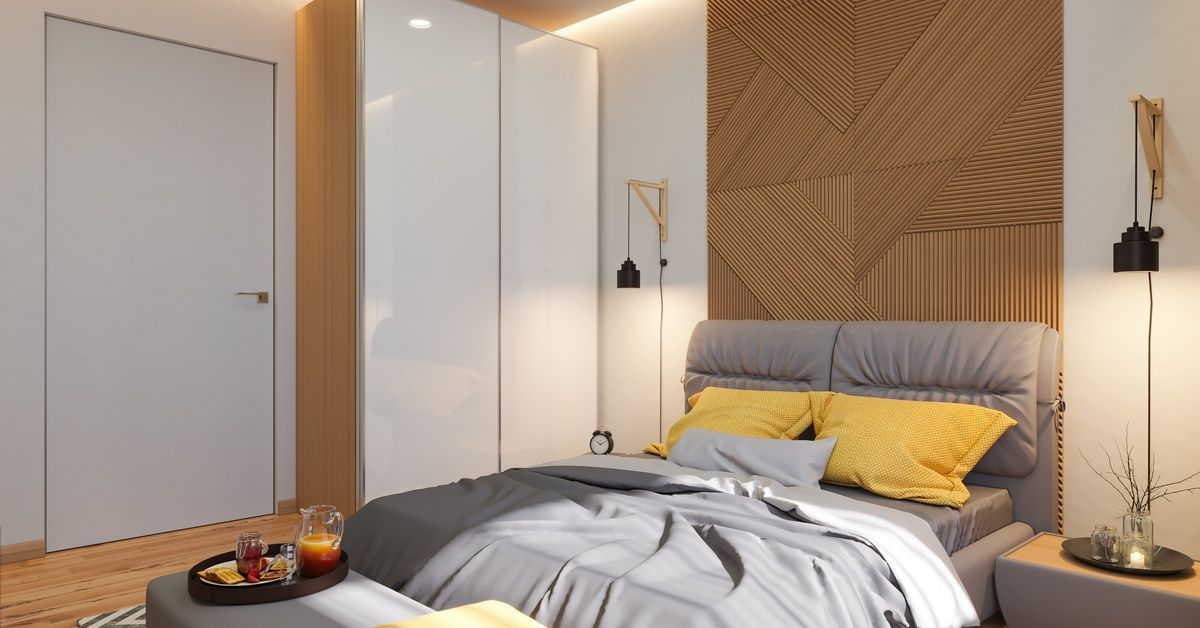
A spare bedroom doesn’t have to sit empty between guest visits. With the right layout, it can work as a home office, hobby room, workout area, or flexible guest space. The key is choosing furniture and storage that supports more than one use without making the room feel crowded.
Updates like new flooring, fresh paint, improved lighting, or better closet storage can make the room feel more finished. If the space feels outdated, small remodeling choices can also help it match the rest of the home.
Reimagine the Bathroom
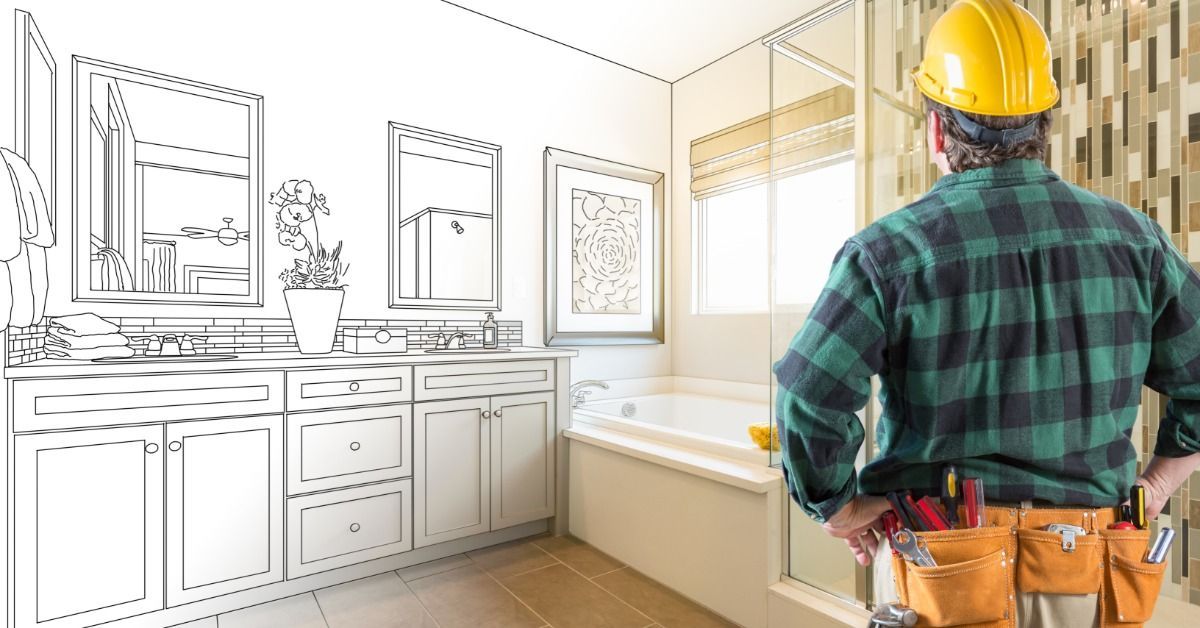
Because bathrooms are used every day, even small layout problems can become annoying. A cramped vanity, poor lighting, limited storage, or an awkward shower can make the room harder to use. Updating these details can make the bathroom feel cleaner, more comfortable, and easier to move through.
Here are a few ways to make an awkward bathroom space more practical:
- Add shelves above the toilet to create storage for towels, toiletries, or decorative baskets.
- Choose a vanity with drawers or cabinets so daily items have a clear place to go.
- Use a recessed medicine cabinet to add storage without taking up extra wall space.
- Add built-in shower niches so bottles and soap stay off the floor or tub edge.
- Install hooks or towel bars on an empty wall to make towels easier to reach.
- Place a narrow cabinet in an open corner to hold extra paper products, cleaning supplies, or linens.
- Replace a bulky tub with a walk-in shower if the current layout takes up too much room.
Make Basements More Livable
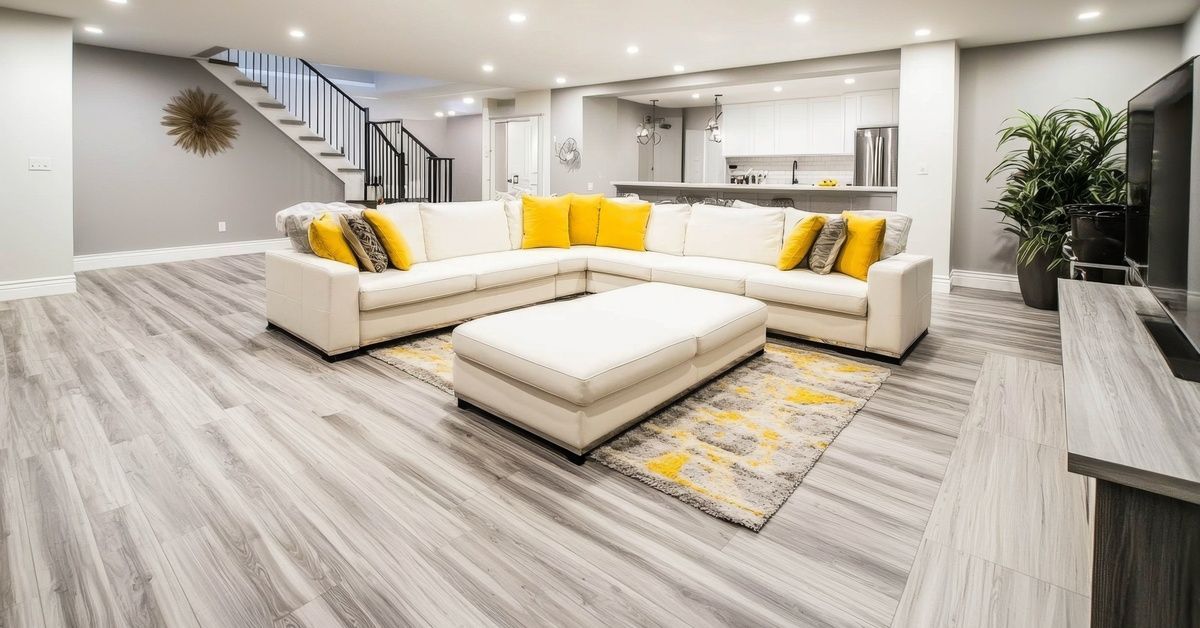
Basements are underused in many homes, especially when they’re unfinished, outdated, or used only for storage. Still, they offer a lot of untapped potential because they already provide square footage inside the home. With the right plan, a basement can become a comfortable living area, work zone, guest space, or activity room instead of a forgotten lower level.
Create an Entertainment Room
A basement can become a relaxed place for movies, games, sports, or casual hangouts. This gives your household another spot to spread out when the main living room feels crowded. It can also help keep louder activities in one lower-level space. Durable flooring, good lighting, and smart storage make the basement feel finished and fun.
Build a Guest Suite
Remodeling the basement as a guest suite gives visitors more privacy. It can also make longer visits feel easier for everyone in the home. A bedroom area, bathroom access, good lighting, and storage transform the basement into a welcome retreat.
Add a Home Office or Gym
A basement can also work well for a home office, workout room, or hobby area. Keeping these activities downstairs can make it easier to concentrate or work on projects without supplies taking over the main living areas. With better lighting, flooring, and layout planning, the basement can support focused activities.
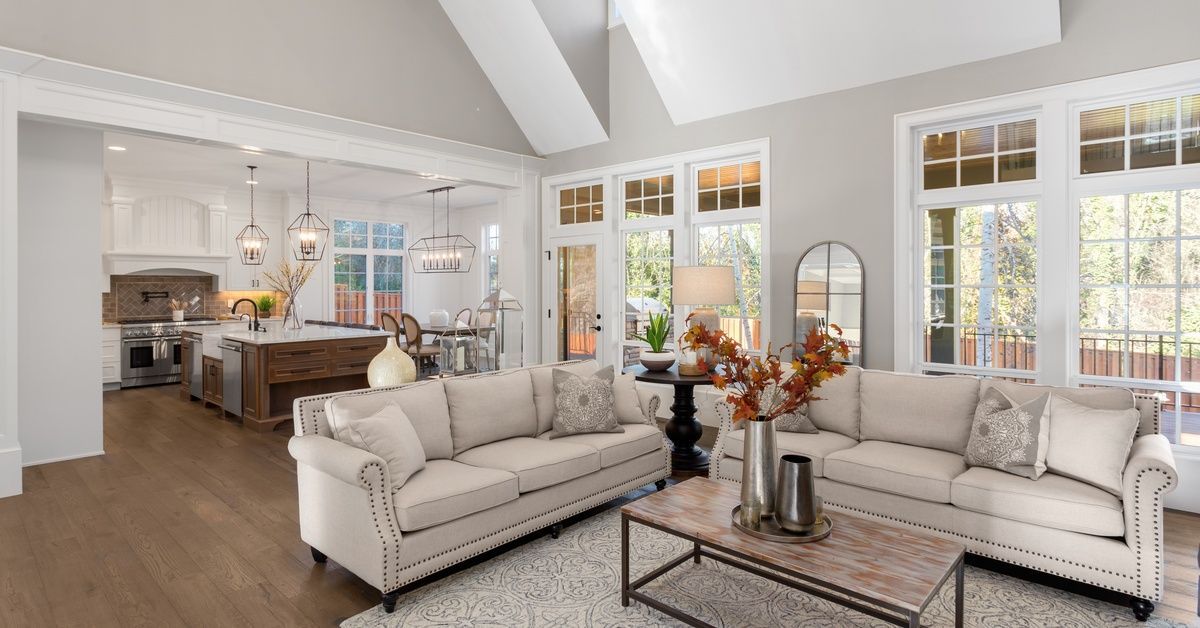
Enhance Flow Between Rooms
Sometimes, unused space is scattered throughout the home rather than confined to a single room. You may notice it in a cramped entry, a hallway that feels too wide, or rooms that are cut off from each other. These small pockets may not seem like much on their own, but together they can affect how the whole home functions.
A remodeling plan can help connect these spaces more effectively. Rearranging walls, opening up a tight layout, or improving transitions between rooms can make the home feel more cohesive. When the layout flows better, those awkward pockets of space become easier to access and enjoy.
You don’t always need more square footage to make your home your dream come true. Transforming unused spaces gives overlooked areas a clearer purpose, whether that means adding storage, creating a guest room, building a work zone, or improving flow between rooms. Leon Construction is an experienced home remodeling company that helps homeowners rethink their existing spaces with practical updates and thoughtful craftsmanship. Contact us to share your ideas and take the next step toward a home that feels more useful, welcoming, and complete.