How Small Roof Repairs Prevent Bigger Problems
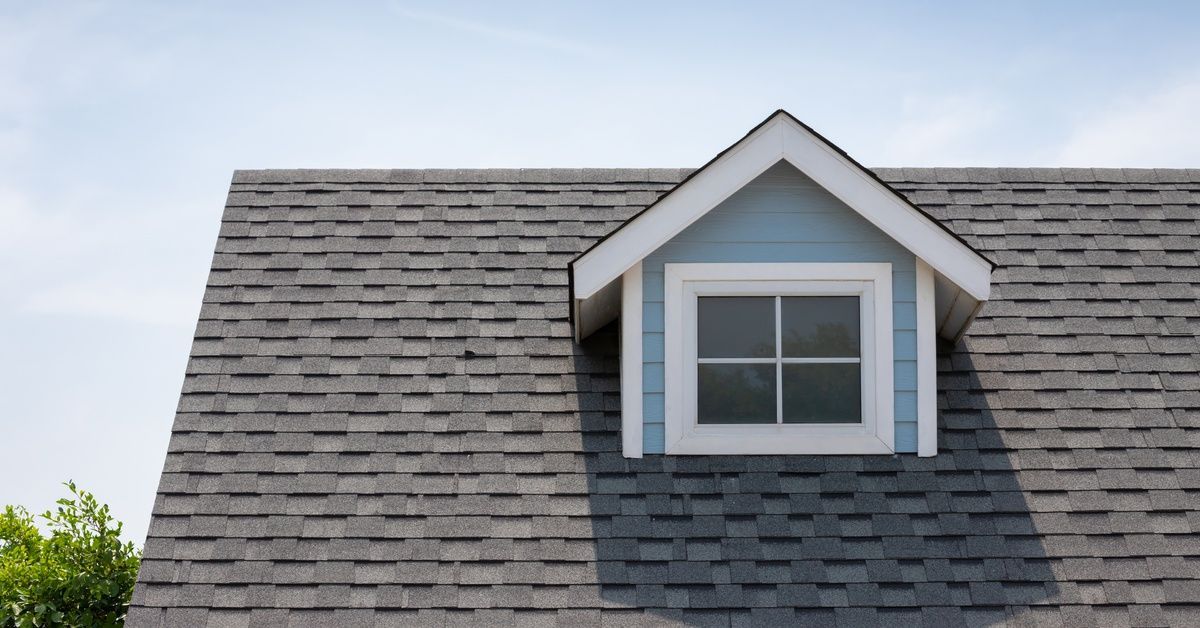
A minor roof issue can be easy to ignore when everything inside the house still looks dry. The problem is that damage often continues out of sight before it becomes obvious indoors. Small roof repairs prevent bigger problems like water-damaged decking, interior leaks, and larger sections of damaged roofing. These common roofing issues are easier to manage when you catch and repair them early.
Stop Small Leaks From Spreading
A roof leak doesn’t always begin with water dripping from the ceiling. Moisture may enter through a small opening and travel along decking, rafters, insulation, or other materials before you ever notice it indoors. Even a slow leak may return each time it rains or snow melts on the roof. Over time, moisture can affect materials well beyond the original opening and turn a focused repair into a larger project.
Signs of water intrusion from a roof leak may include:
- water stains on ceilings or walls
- damp insulation or attic materials
- peeling or bubbling paint
- musty odors in the attic
- dripping during or after rainfall
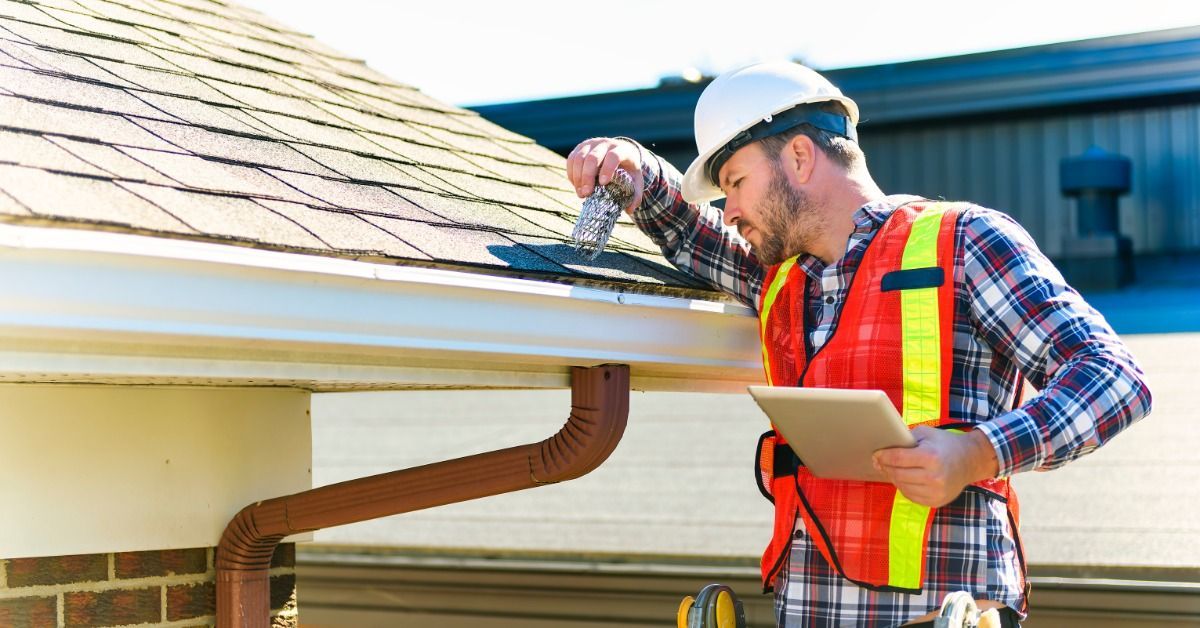
Keep in mind that the visible damage may not sit directly below the opening because water can travel along framing and other surfaces. Contractors may inspect shingles, flashing, penetrations, seams, and attic areas to see where moisture is getting in and how it’s traveling. They may also look for water marks, damp materials, or staining patterns that point back toward the entry point.
Protect the Roof Decking
Roof decking sits beneath the outer roofing materials and supports much of the system above it. It’s usually made from plywood or oriented strand board (OSB). If shingles, flashing, or another protective component develops an opening, moisture can work its way down to this structural layer.
A small roof repair can prevent a surface-level problem from affecting harder-to-access materials. Once the decking is damaged, contractors must remove shingles and underlayment before replacing the weakened section. That means a bigger project that usually requires more labor, materials, and time.
Maintain Flashing and Roof Seals
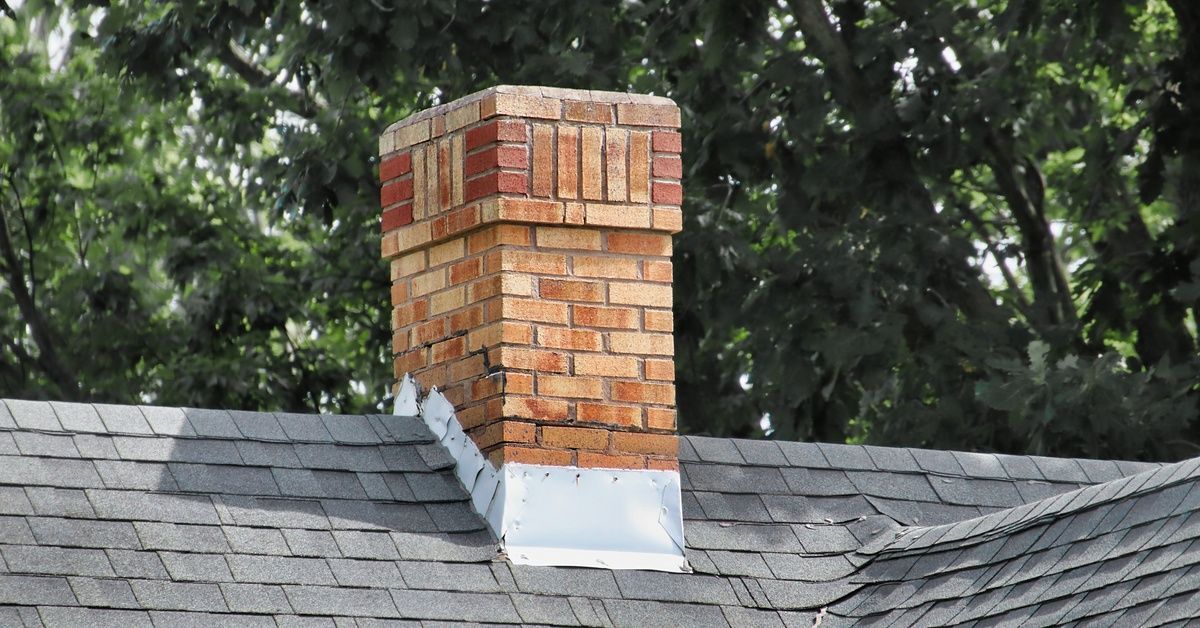
Roofs have several transition points where one surface meets another. Areas around chimneys, vents, skylights, walls, and other penetrations often rely on flashing and sealants to direct water away from openings. When those materials crack, loosen, corrode, or separate, water can find a path beneath nearby roofing materials.
A localized repair may be enough to restore the barrier before moisture reaches a larger area. Depending on the issue, the work could involve securing flashing, replacing damaged material, or restoring a failed seal. A roof repair service can assess both the visible defect and the surrounding area to determine where water may be entering.
Repair Damaged Shingles Early
Shingles cover a large portion of the roof, so even isolated damage can create a weak point in an otherwise intact system. Severe weather or normal aging can cause a shingle to crack, curl, loosen, tear, or come off. Repairing damaged shingles restores protection to that section before repeated exposure affects the layers underneath.
Damaged shingles can also leave the surrounding area more vulnerable because shingles are installed in overlapping rows that guide water down the roof. When one shingle lifts, breaks, or goes missing, that overlap can be disrupted. Wind may then catch beneath exposed edges, while rain can reach surfaces that were previously covered.
Fix Drainage Problems Promptly
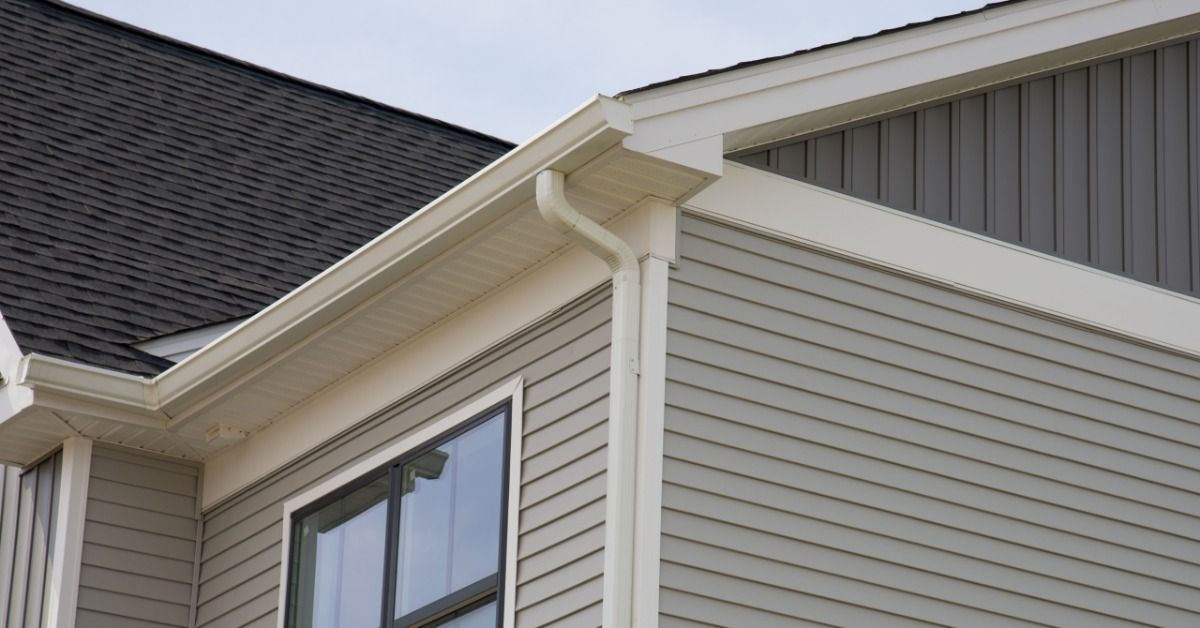
Your roof also depends on water moving off the surface and away from the edges. Gutters, downspouts, valleys, and other drainage areas can cause trouble when debris or damage interferes with normal water flow. Correcting those issues can reduce repeated moisture exposure along roof edges and other vulnerable sections.
To keep water moving away from the roof properly:
- Clear leaves and debris from gutters regularly.
- Secure loose or sagging gutter sections.
- Reconnect or replace damaged downspouts.
- Correct areas where water tends to collect.
- Address overflow along the roof edges.
Keep Roof Valleys Clear and Intact
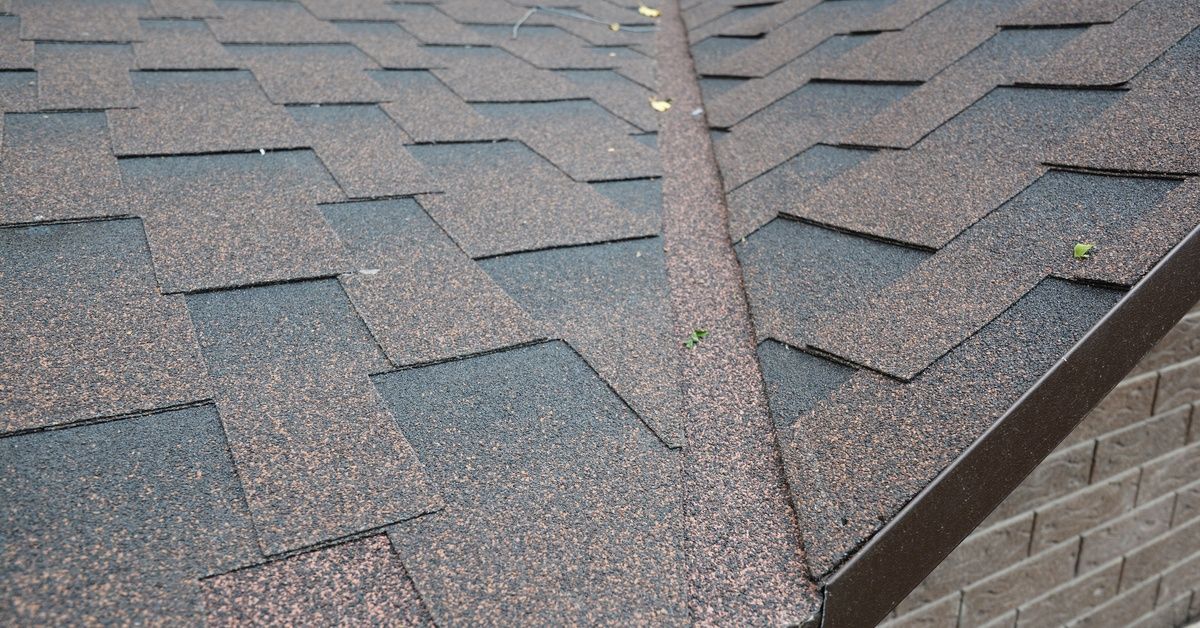
Roof valleys form where two roof slopes meet, so they naturally collect and direct a large amount of runoff. Shingles, flashing, or membranes in these areas must remain properly installed and undamaged so water can move toward the gutters. Leaves and debris can also slow drainage and keep moisture against roofing materials longer than intended.
Because valleys handle concentrated water flow, even a small opening can allow a significant amount of moisture beneath the roof surface. Contractors may repair damaged shingles, replace valley flashing, or address the waterproof membrane below, depending on how the roof was built.
Address Damage After Severe Weather
Strong winds, hail, heavy rain, snow, and falling debris can damage one part of a roof even when the rest remains in good condition. After a storm, you may have a few loose shingles, damaged flashing, or a small puncture that isn’t easy to see from the ground. Repairing those isolated areas restores the protective surface before another round of weather puts them under more stress.
Storm damage can also worsen gradually rather than all at once. A slightly lifted shingle may loosen further during the next windy day, while a small opening can admit more water with each rainfall. After severe weather, check the roof from the ground for visible changes and look inside the attic for signs of moisture. If anything looks damaged or out of place, ask a roofing contractor to inspect the area and make any needed repairs before the next storm.
Keep Roof Ventilation Working Properly
Roof ventilation allows air to move through the attic and reduces excess heat and moisture buildup beneath the roof. Intake vents usually bring air in near the lower part of the roof, while exhaust vents release warmer air higher up. When vents become blocked or damaged, attic conditions can put stress on roofing materials and insulation.
Repairs around vents also need to protect the roof opening itself. A contractor may replace damaged vent flashing, reseal the surrounding area, or correct loose roofing materials nearby. Keeping both the vent and the surrounding components in good condition supports the roof system from the inside and outside.
Small roof problems rarely stay the same once weather keeps testing the area. A loose shingle, worn seal, or blocked drainage path can start affecting nearby components if you don’t correct the source. When something looks wrong, have Leon Construction check it out and make the necessary roof repairs.