Attic Insulation Mistakes Homeowners Should Avoid
It’s easy to think of attic insulation as a straightforward upgrade: choose a material, then have it installed for a more comfortable home. Yet some of the most common attic insulation mistakes homeowners make happen before installation starts. If the attic has air leaks, moisture issues, or poor ventilation, you should address those issues to avoid poor performance. Here are common mistakes and what you can do instead.
Skipping a Full Attic Assessment
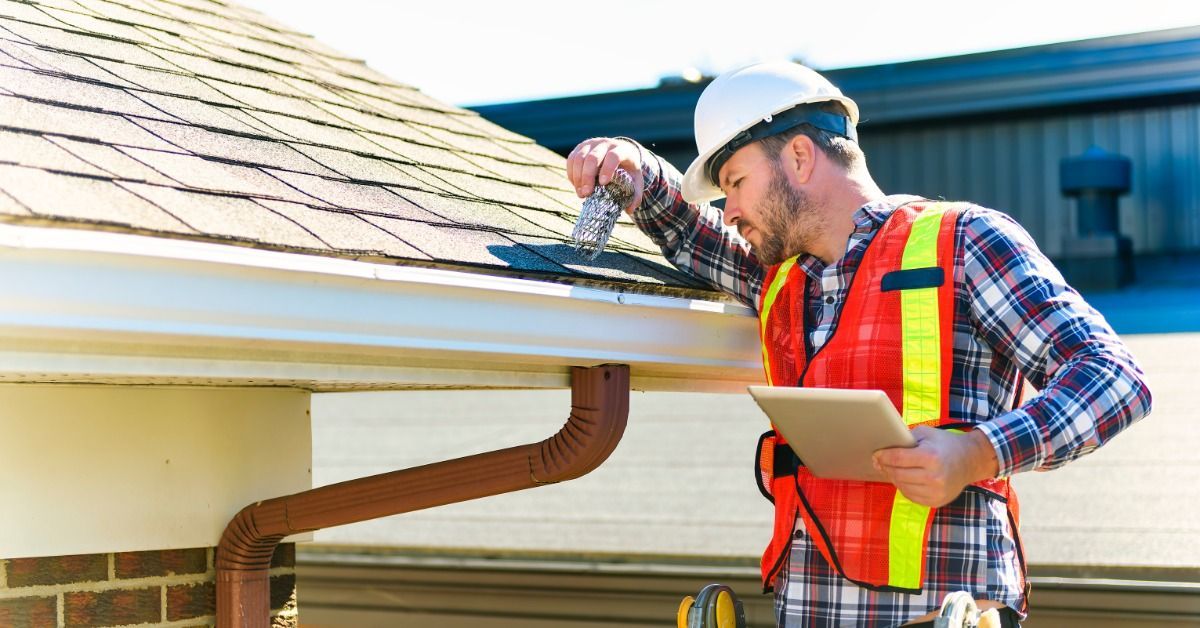
Installing new insulation without first evaluating the attic can leave problems hidden beneath fresh material. Before work begins, check the space for conditions that could affect the insulation or require repairs first. A full assessment also gives the installer a clearer picture of what’s already there and what the project may involve.
An attic assessment may include checking whether:
- The existing insulation is in good condition and appropriate to remain in place.
- Some areas have thin insulation or no coverage at all.
- Visible gaps or openings are allowing air to leak through.
- Moisture stains, damp areas, or other signs of water damage are present.
- Ventilation openings and airflow paths are clear and unobstructed.
- Any insulation or surrounding materials are damaged or contaminated.
- Areas around ducts, pipes, wiring, and other penetrations need additional attention.
Ignoring Air Leaks Before Insulating
Another mistake homeowners should avoid is believing that insulation will solve gaps in the attic . Air can escape through openings around plumbing, wiring, light fixtures, attic hatches, and other penetrations. Because these areas aren’t always easy to see, homeowners may assume that adding insulation will take care of them. Insulation can reduce heat transfer, but it won’t seal every gap on its own.
If those gaps remain open, the home may still experience uneven temperatures or unnecessary energy loss even after adding new insulation. That can make the finished project feel less effective than expected. An installer can determine which gaps need attention and use the appropriate sealing method for each area.
Overlooking Moisture Problems
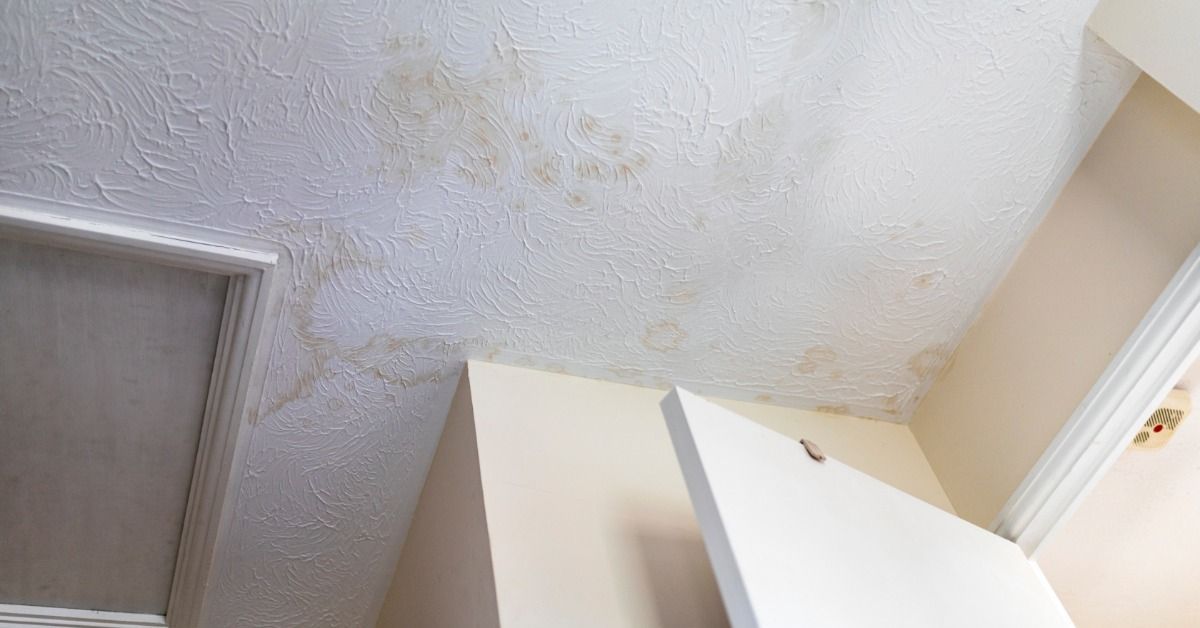
New insulation shouldn’t be installed over areas that are damp, stained, or showing other signs of moisture. Moisture can enter an attic through a roof leak or damaged flashing. It can also develop when warm indoor air meets a cold surface, creating condensation. Over time, the problem may show up as damp insulation, water stains, musty odors, or discoloration on nearby materials.
Before adding new insulation, the installer should first determine where the moisture is coming from. Any damaged or saturated insulation may need to be removed so the area can dry and the underlying problem can be corrected. Install new material only after addressing the moisture source.
Blocking or Disrupting Attic Ventilation
Insulation slows heat transfer between the attic and the living space below. Ventilation does a different job by allowing outside air to move through the attic, which can reduce heat and moisture buildup. Both systems need to work together without one blocking the other.
Problems can happen when insulation covers soffit vents or other openings that bring fresh air into the attic. To prevent this, installers may place baffles between the roof deck and the insulation. These channels create a clear path for air to move from the soffit vents into the attic. That way, the surrounding area can still be insulated without blocking ventilation.
Choosing Insulation Based on Type Alone
Different insulation materials work better in different situations, so the choice shouldn’t come down to material name alone. A qualified insulation installer can evaluate the attic’s conditions and recommend an option that fits the space, performance needs, and existing materials.
Common attic insulation options include:
- Fiberglass: Available in batts or loose-fill form, fiberglass is commonly used to insulate open attic floors and accessible framing cavities.
- Cellulose: Usually installed as loose-fill material, cellulose can spread across attic floors and around irregular spaces.
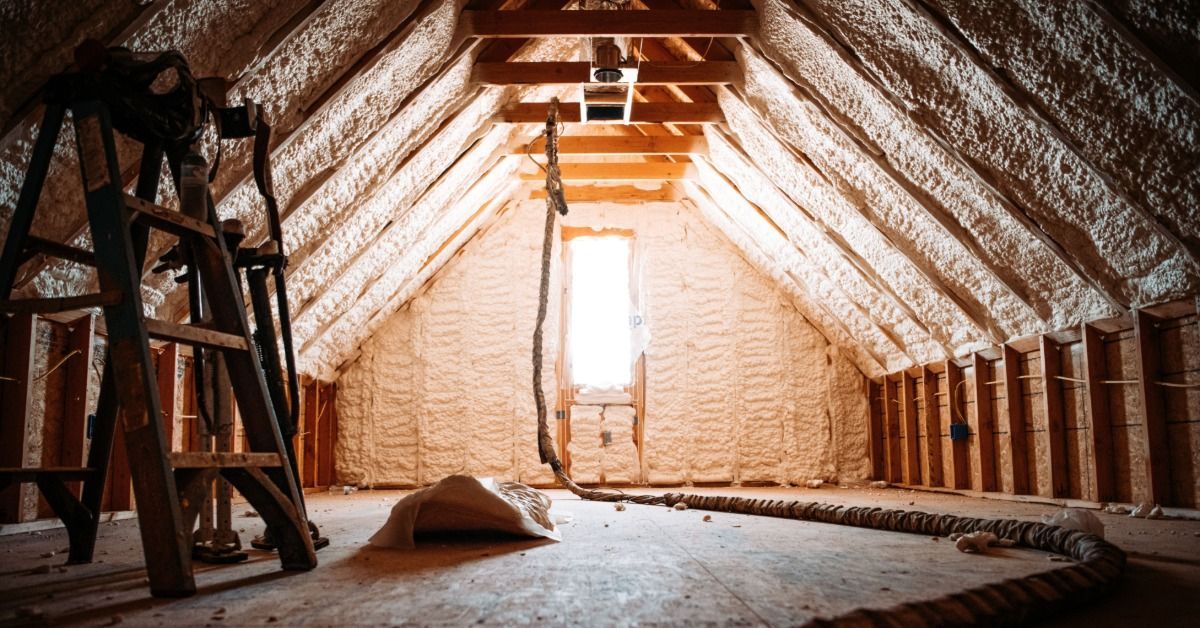
- Spray foam: Applied as a liquid that expands and hardens, spray foam can insulate and air-seal certain attic areas at the same time.
Consider the R-Value
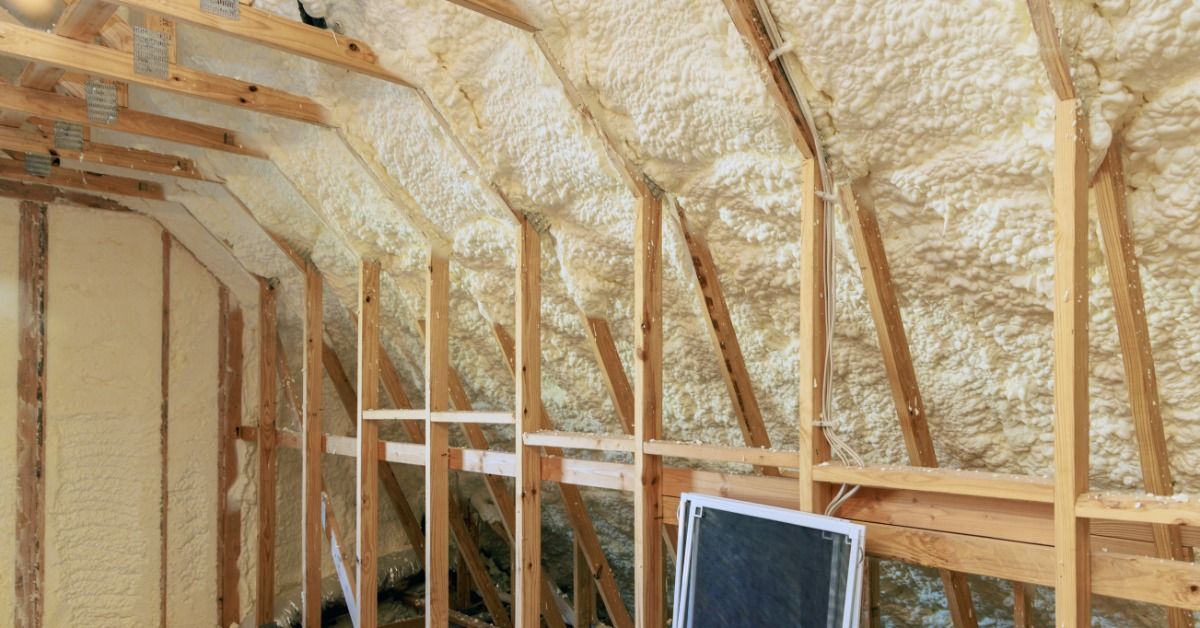
R-value measures how well insulation resists heat flow. Different products can reach the same R-value at different thicknesses. The amount needed can also vary based on the climate and where the insulation is being installed. Your installer can recommend a target R-value that fits the attic and local conditions.
Match the Material to the Space
Attics can have open floor areas, tight corners, sloped rooflines, and other spaces that are harder to cover evenly. Some insulation materials suit certain layouts better because of how they are installed and how well they fill gaps. Accessibility can also influence which option is practical. The installer should consider the attic's shape and layout before recommending a material.
Focusing Only on Insulation Thickness
A thicker layer of insulation may seem like it will automatically perform better, but depth is only one part of the picture. Different insulation materials provide different levels of thermal resistance, even when installed at the same thickness. That’s why R-value is a more useful measure of how well the insulation resists heat flow.
Adding insulation beyond what the attic needs doesn’t automatically improve performance. If you pack too much material into the space, it can compress or block airflow near vents, which may reduce how well the attic system functions. Your installer can explain how much insulation is needed to reach the intended performance for your attic.
Not Comparing the Full Project Scope
Comparing estimates is useful, but the lowest total may not include the same scope of work as another quote. One installer may account for air sealing, preparation, removal of damaged material, or work around ventilation components. Another estimate may cover installation only.
Review what each estimate includes before deciding. Ask about the material, how existing insulation will be handled, and whether cleanup or preparation is part of the job. A clear scope of work can prevent surprises once the project is underway.
A good attic insulation project is more than simply adding another layer of material. The quality of the preparation and installation affects how well the finished system performs. Taking time to review the plan with your installer can also make the process easier to follow from start to finish. Keep these tips in mind to make your home more comfortable.