What Are the Pros and Cons of Metal Roofs for Homes?
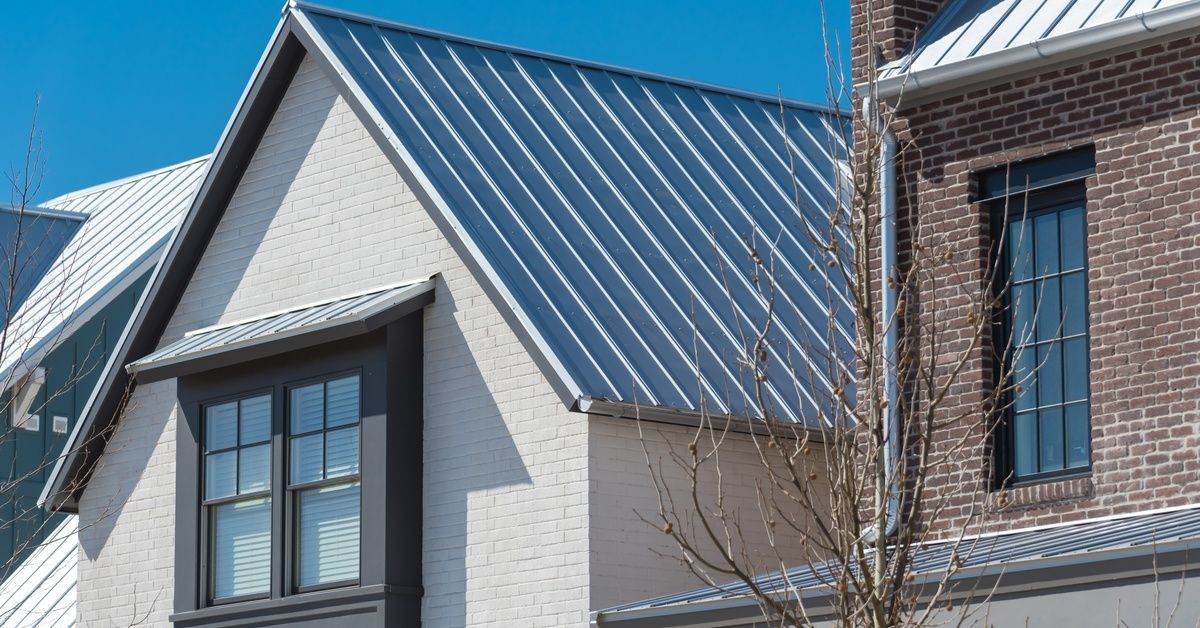
A new roof adds fresh curb appeal and better protection. It also gives you one less major home concern to worry about in the back of your mind. Metal roofing offers a bold look and dependable protection, making it worth a closer look. Compare the pros and cons of metal roofs to see if this popular option is right for your home.
Metal Roofing Basics
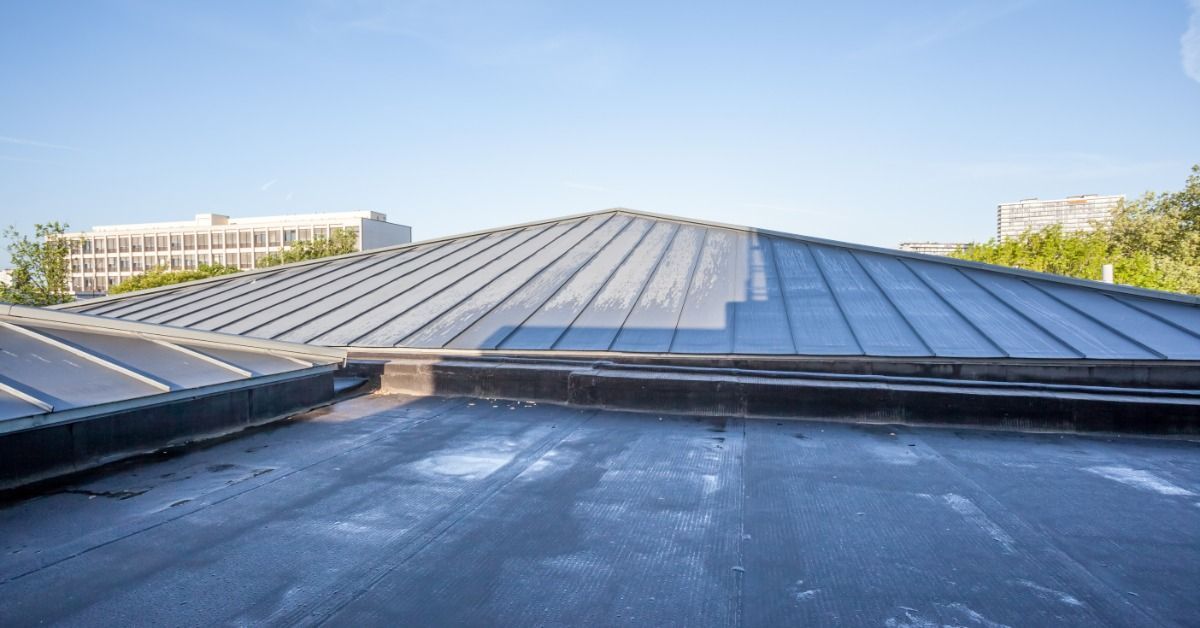
Some metal roof styles create a sleek, modern look, while others resemble more traditional roofing materials. Most residential metal roofs use steel or aluminum, though zinc and copper may appear in some higher-end projects.
The main forms of metal roofing include:
- Panels: Metal panels cover large roof sections and can create a clean, streamlined look, especially on modern or farmhouse-style homes.
- Shingles: Metal shingles resemble traditional roofing pieces while offering the strength and durability of metal.
- Shakes: Metal shakes mimic the textured look of wood shakes without the same maintenance needs.
- Formed profiles: Formed profiles shape metal into specific patterns, such as tile-like or slate-like designs, for a more customized appearance.
Energy and Comfort
Metal roofing can reflect heat, especially when it has the right coating or finish. This may help reduce heat buildup on sunny days and support better comfort inside the home. Moreover, lighter colors tend to reflect more sunlight than darker finishes.
That said, roofing alone doesn’t control home comfort. Insulation, ventilation, windows, and air sealing also affect indoor temperatures. A metal roof may enhance energy efficiency, but the whole-home system still needs to work together.
When Metal May Not Fit
A metal roof may not make sense if the home needs major structural repairs first. It may also feel less practical for homeowners who plan to sell soon and won’t benefit from the longer lifespan. Additionally, some homeowners prefer the softer look of asphalt shingles or wood-style materials. The best choice should support the house, the budget, and the homeowner’s long-term plans.
Long-Term Durability
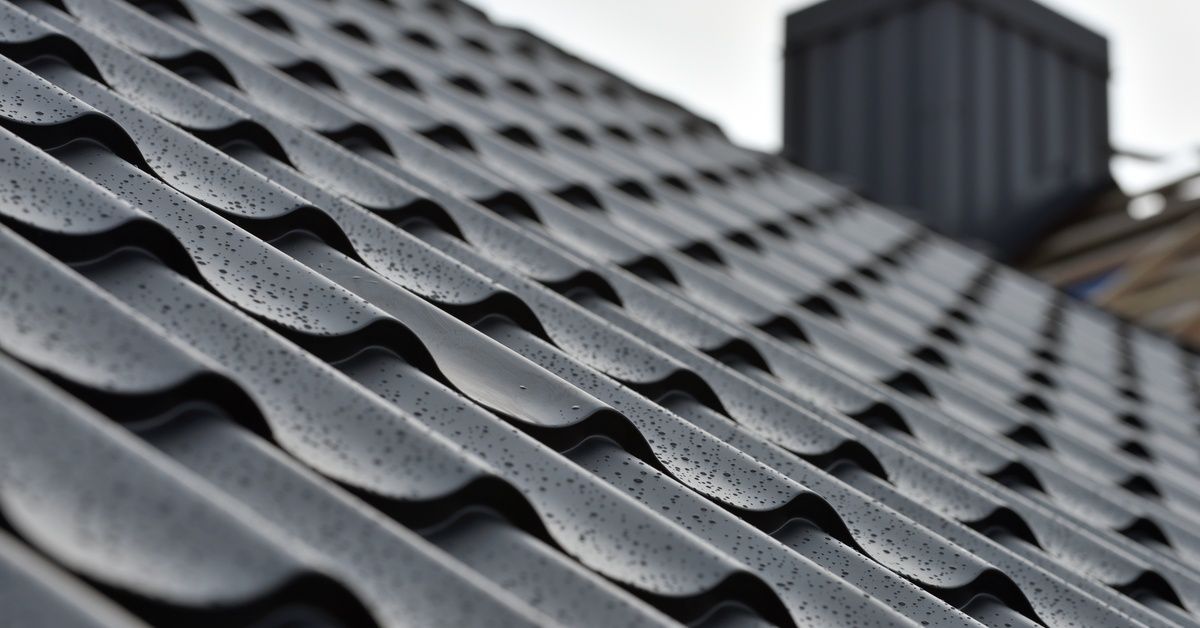
One of the biggest reasons homeowners consider metal roofing is durability. A properly installed metal roof can handle shifting weather and may also resist cracking, curling, and certain types of surface wear better than other roofing options.
Here are the benefits of metal roofs in terms of durability:
- Metal roofing holds up well against harsh weather.
- Many metal roofs shed water and snow efficiently.
- Quality coatings protect the surface from corrosion.
- Metal roofing holds up well against warping, splitting, and moisture-related wear.
What Longevity Really Means
A long-lasting roof still needs proper care. Fasteners hold the roof in place, seams connect the panels, flashing directs water away from vulnerable areas, and coatings protect the metal surface. Moreover, ventilation and attic conditions affect the roof from underneath. With that in mind, it’s smart to have your metal roof checked about once a year and after major storms.
Noise Concerns
Some homeowners worry that a metal roof will sound loud during rain or hail. That concern makes sense, especially if someone has heard rain hit an exposed metal shed or garage. However, a home’s roof works as part of a larger system, and the layers beneath the metal help soften sound before it reaches the living space. A qualified roof installation contractor can explain how those layers work together and properly install the roof to soften indoor sound.
Decking
Decking is the solid surface attached to the roof framing, and the roofing material sits on top of it. It serves as a solid base for metal panels or shingles. Because it adds structure beneath the roof covering, it can also help reduce the sharp sound of rain hitting metal. Damaged or uneven decking should be repaired before installation so the new roof has the support it needs.
Underlayment
Underlayment sits between the decking and the metal roofing. It adds a protective layer that manages moisture and improves the overall roof system. Additionally, it can help soften sound by separating the metal and the solid roof deck. The right underlayment depends on the roof style, climate, and manufacturer requirements.
Insulation
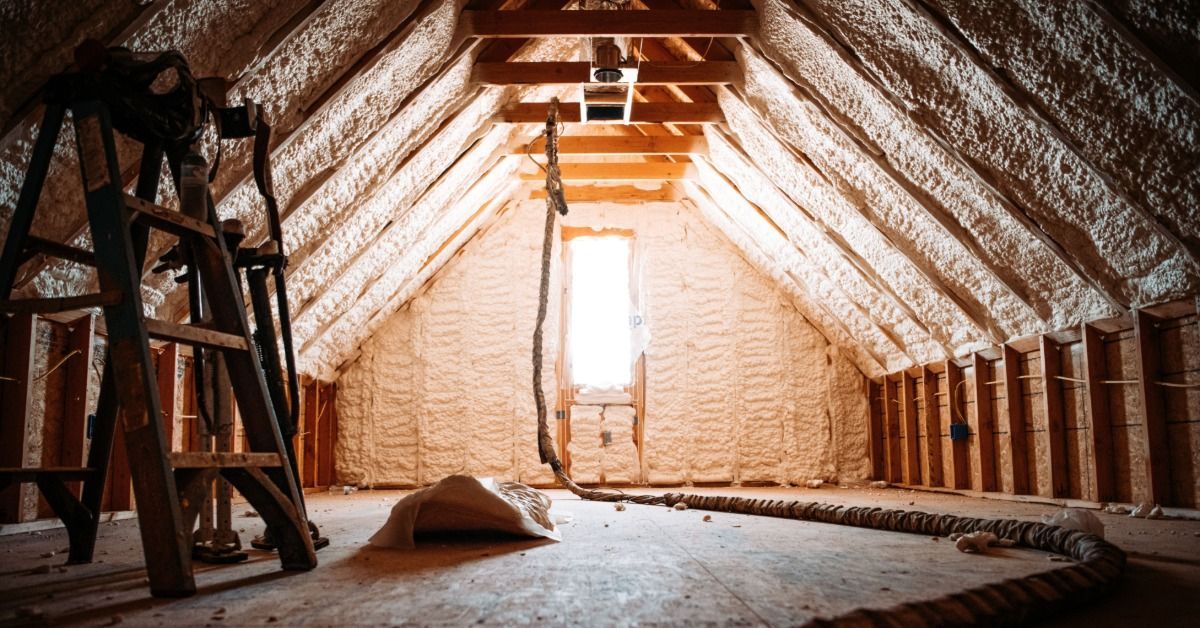
Insulation helps control heat movement inside the home, but it can also affect sound. Attic or ceiling insulation creates a buffer between the roof and the rooms below. This makes the noise of rain and hail feel less direct inside the house. Better insulation can also support year-round comfort, especially in homes with drafty rooms or uneven temperatures.
Cost and Budget Planning
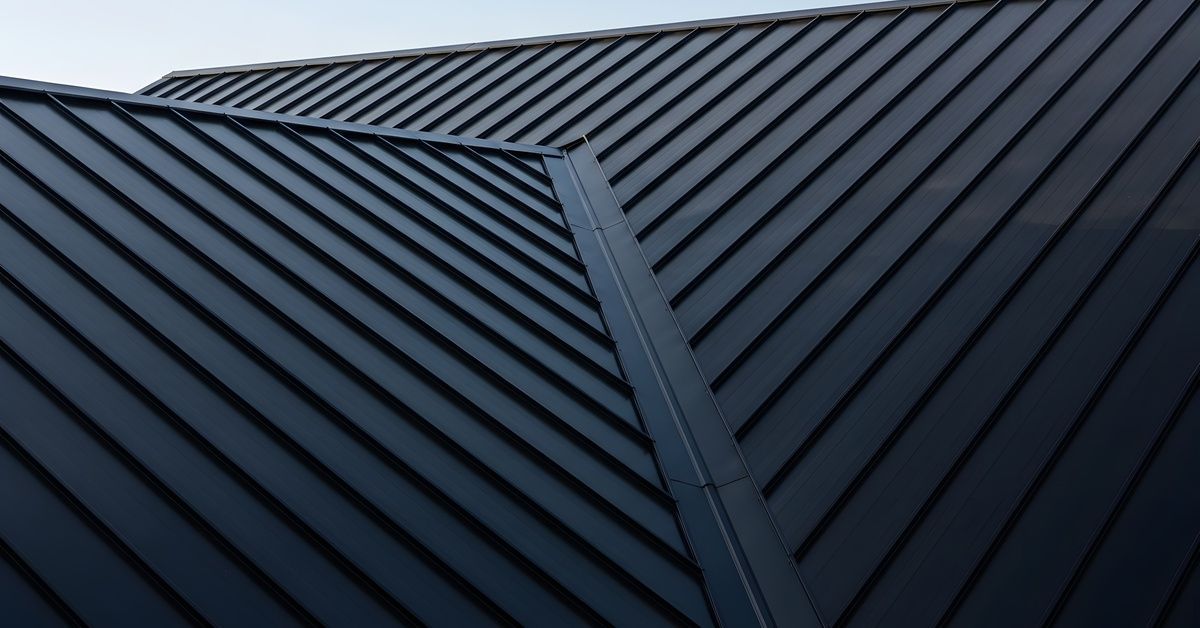
Metal roofing usually costs more upfront than asphalt shingles. However, the lowest upfront price isn’t always the best long-term choice. A durable metal roof may reduce the need for frequent replacement when compared with shorter-lived materials. Therefore, homeowners should compare both the initial cost and the expected service life.
The total cost of a metal roof usually depends on these factors:
- Material type: Steel, aluminum, zinc, and copper come with different price points and performance qualities.
- Roof size: Larger roofs require more materials and labor, which increases the project cost.
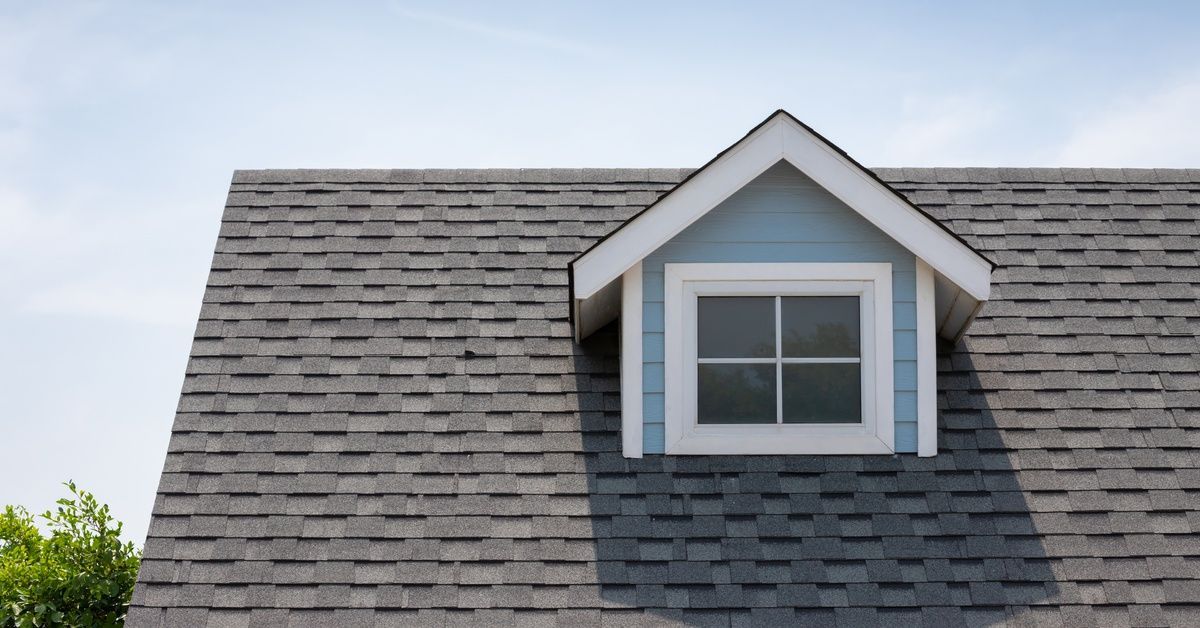
- Roof shape: Steep slopes, valleys, dormers, skylights, and multiple angles can make installation more detailed.
- Roof condition: Damaged decking and other roof issues may need repair before the new roof goes on.
- Finish and style: Specialty colors, coatings, panels, shingles, and textured profiles can affect the final price.
How Installation Affects Value
Quality materials make a difference, but the roof still depends on proper installation to stay sealed and secure. Small mistakes around seams, flashing, vents, or fasteners may create problems later. Additionally, metal expands and contracts with temperature changes, so installers need to account for movement.
Ongoing Maintenance
Metal roofs usually need less routine maintenance than materials like asphalt shingles or wood shakes, but they still need care. Homeowners should keep debris off the roof, watch for damaged coatings, and check that gutters drain properly.
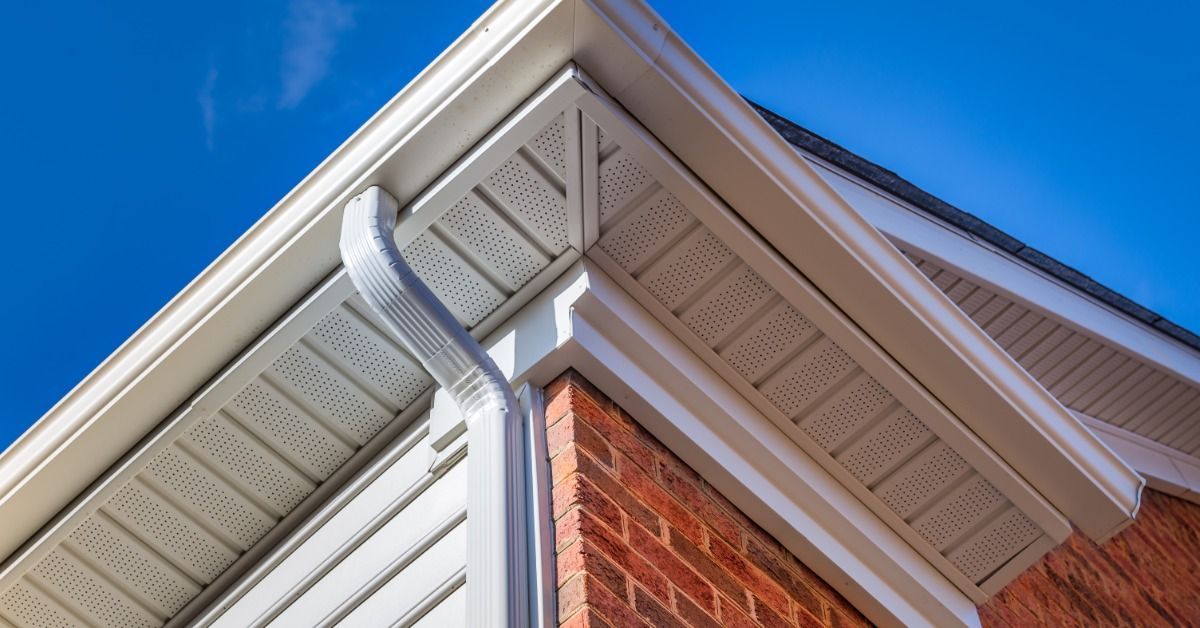
Maintenance also includes watching areas where different roof parts meet. Flashing, valleys, chimneys, vents, and skylights need regular checks because they guide water through some of the roof’s most vulnerable areas. Additionally, trimming nearby branches reduces debris buildup and damage.
When comparing the pros and cons of metal roofs on homes, the best decision comes down to your budget and what you want from the finished project. Metal roofing offers amazing durability, long-term protection, a clean aesthetic, and energy efficiency. At the same time, homeowners should consider the higher upfront cost and the extra precision required during installation. A well-chosen roof gives your home reliable protection and a look you’ll love every time you pull into the driveway.