How To Choose the Right Types of Insulation for Your Home
Your home works hard through freezing winters, damp springs, warm summers, and windy storms. Insulation fills empty spaces behind walls or above ceilings to combat these issues. The insulation you choose for your home affects comfort, energy use, moisture control, and how each room feels throughout the year. Compare materials and their performance in different spaces to find the right type for you.
Know the Main Options
Homeowners usually hear about several insulation materials, and each one works a little differently. The right choice depends on where it will go, how much coverage the space needs, and what issues the home already has.
The following types of insulation each bring different strengths:
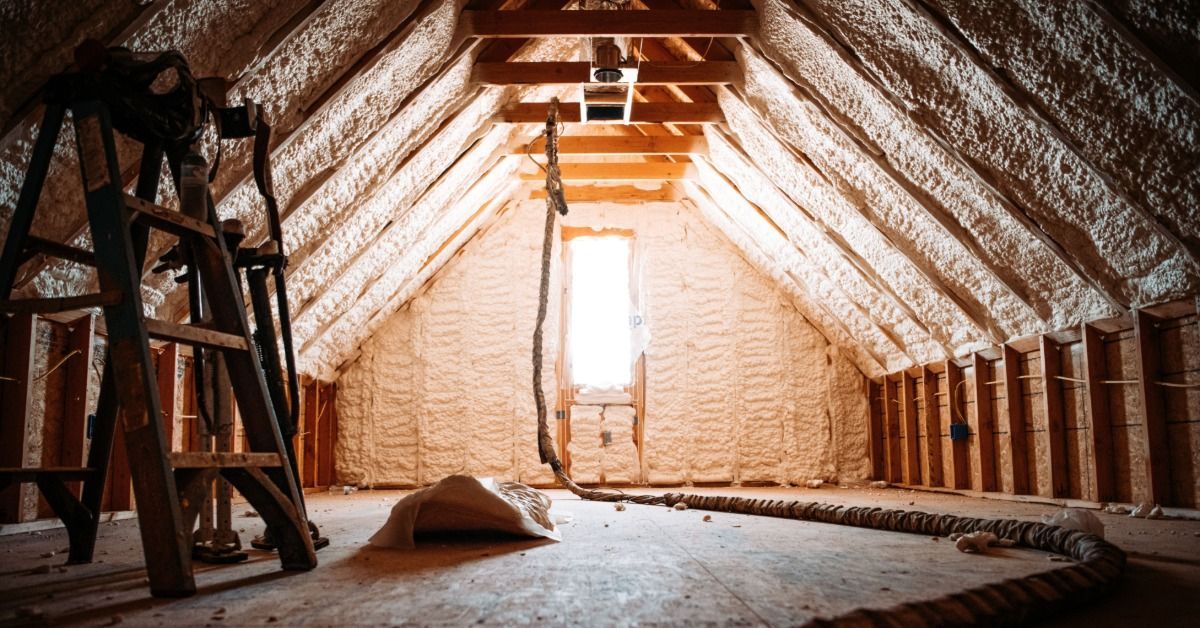
- Spray foam insulation expands into small openings, so it can help with both insulation and air sealing in the right spaces.
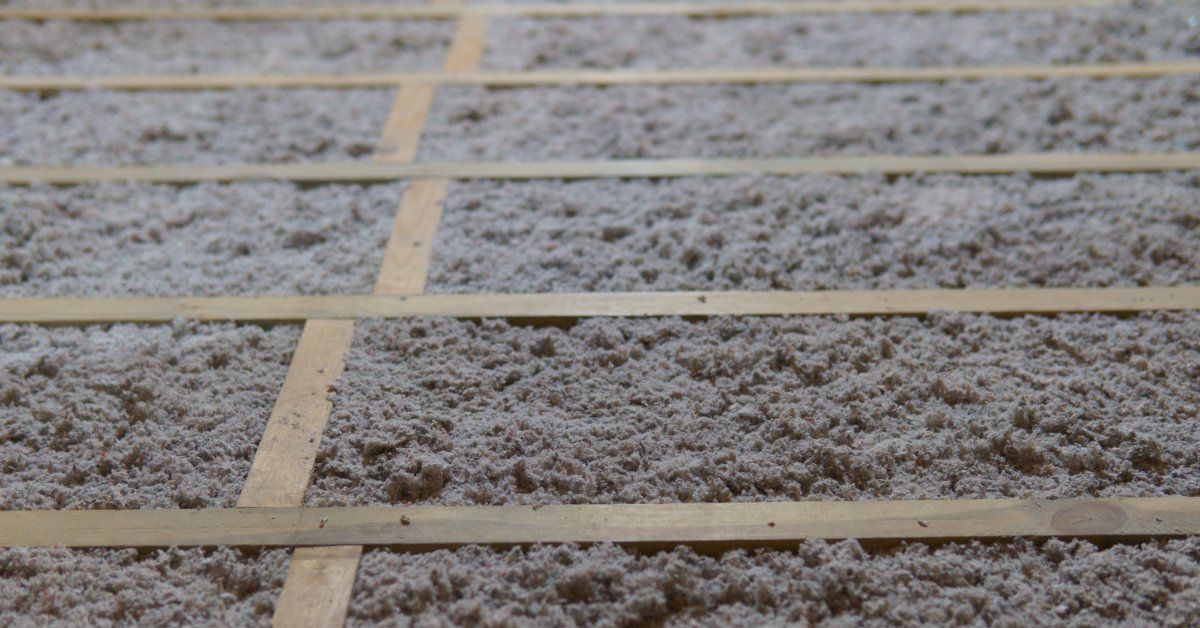
- Cellulose insulation can fill attic floors and wall cavities with dense coverage, especially in retrofit projects.
- Sound batt insulation reduces noise between rooms, floors, and shared walls.
Check Right R-Value
The insulation’s R-value indicates how well the material resists heat flow. The right value depends on the part of the home, the local climate, and how much space the contractor has to work with.
Higher R-values indicate greater resistance, but higher does not automatically mean better in every situation. Attics usually need more insulation than walls because heat rises in winter, while walls have limited cavity depth and different installation needs.
Seal Air Leaks
Air leaks can make insulation less effective because moving air carries heat through small gaps. Therefore, insulation choices should include a closer look at cracks, openings, and penetrations around the home.
Common Leak Areas
Air leaks often show up around attic hatches, recessed lights, plumbing openings, and wiring penetrations. Gaps around windows and doors can also affect temperatures throughout the space. These areas may seem small, but together they can make rooms feel drafty or uneven. Sealing them helps insulation do its job more consistently.
How Sealing Helps
Insulation slows heat movement, but many insulation materials do not fully block airflow on their own. Air sealing reduces drafts and supports steadier indoor temperatures. It also helps limit the movement of moist air into spaces where condensation may become a concern. As a result, air sealing and insulation usually work best as a pair.
Plan for Moisture
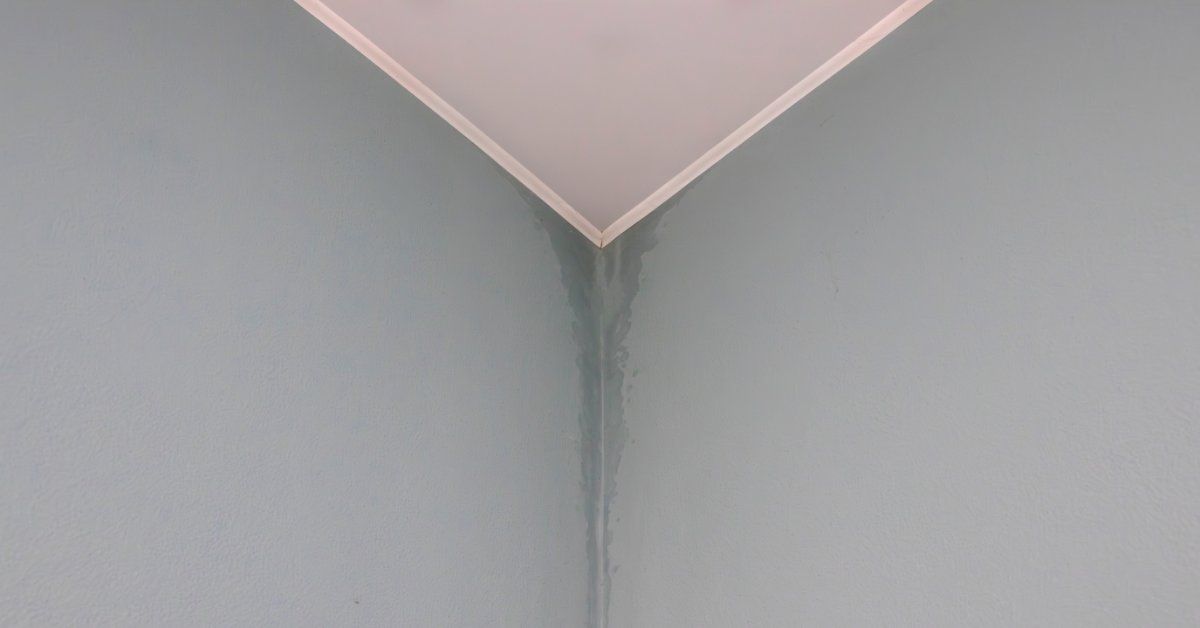
Moisture exposure should shape the insulation choice, especially in basements, crawl spaces, attics, and exterior walls. Damp conditions can reduce performance and create problems with surrounding materials.
Contractors should look for leaks, condensation, drainage issues, or ventilation problems before adding new insulation. Once those concerns have been addressed, they can recommend materials that fit the space and its moisture conditions.
High-Risk Areas
Basements and crawl spaces need careful attention because they sit close to the ground and may deal with humidity. Attics also need the right balance of insulation and ventilation so moisture does not collect under the roof deck. Bathrooms, kitchens, and laundry areas may also create extra indoor humidity. These spaces need insulation choices that support comfort without trapping moisture in the wrong place.
Review Fire Resistance
Some insulation materials offer greater fire resistance than others, so the material should be chosen to match the location and building requirements. Fire resistance becomes especially important near mechanical areas, shared walls, and spaces where local code has specific rules.
Your contractor can explain which products suit the project and where protective coverings may be required. Some insulation may also help slow the movement of heat through a wall or ceiling assembly, depending on the material and how it’s installed. However, insulation doesn’t make a space fireproof. It should be used alongside proper building materials, safe clearances, and code-compliant installation.
Match Insulation to Space
Different areas of the home need different insulation strategies. Attics need strong coverage because they experience major heat movement through the roofline and ceiling. Walls need insulation that fits the cavity without gaps, while basements need materials that handle cooler temperatures and moisture risks.
To choose the right types of insulation for your home, each space needs the material and installation method that fits its conditions. Leon Construction’s insulation services remove the guesswork. We evaluate problem areas and choose suitable materials. Then, we install the insulation with attention to gaps and coverage, so you get the best long-term performance.
Consider Sound Control
Insulation also muffles sound, especially between rooms, floors, and shared walls. While temperature control may be the main goal, many homeowners appreciate quieter living areas.
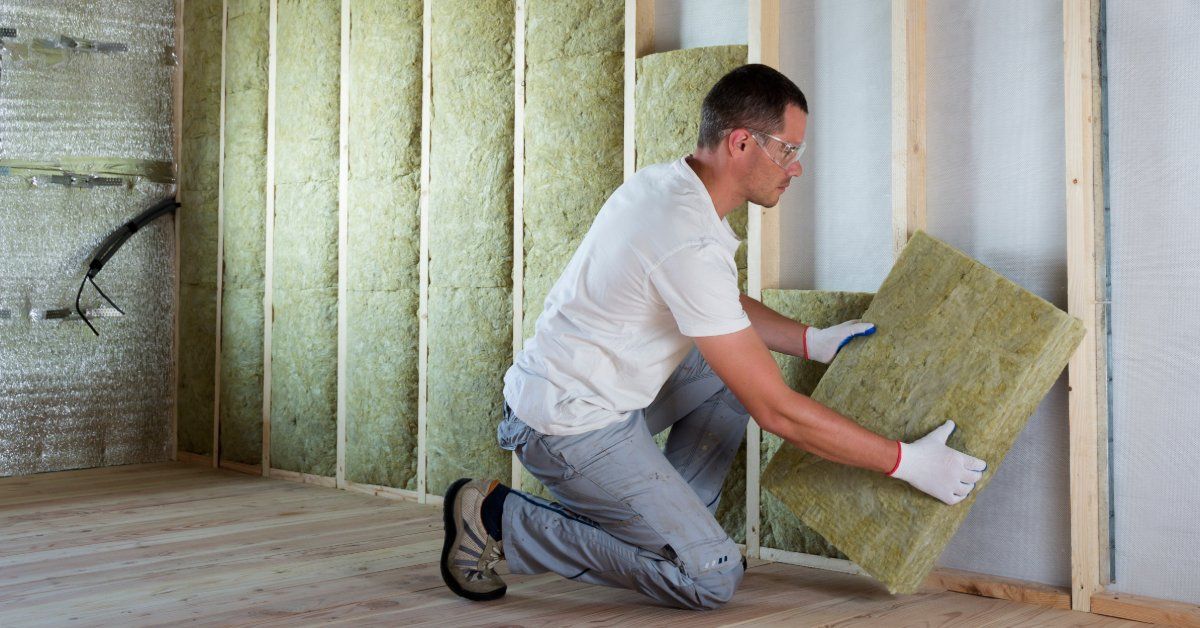
Sound batt insulation is made to reduce noise transfer through interior walls, ceilings, and floor cavities. It fits between studs or joists, where it helps absorb sound inside the cavity. Contractors cut it to fit snugly so that gaps do not let noise pass through as easily.
Plan Around Budget
Insulation costs vary because materials, access, labor, and prep work all affect the final price. Some rooms may only need added coverage, while others may need stronger materials or extra prep. Your contractor can explain which upgrades best fit your goals and budget.
These factors affect the cost of the insulation installation:
- Material type and amount needed for the project
- Accessibility of attics, walls, crawl spaces, or basements
- Existing insulation removal or cleanup needs
- Air sealing, ventilation, or moisture repairs before installation
- Long-term comfort and energy performance goals
Focus on Installation Quality
Even a strong insulation material will underperform when installed poorly. Gaps leave open spaces where heat and air can still move through. Compression squeezes the insulation too tightly, reducing the air pockets that help fit resist heat flow. Uneven coverage creates weak spots that make some parts of a room feel less inviting than others.
Quality installation means fitting the material carefully around framing, pipes, wiring, vents, and corners. The contractor should place the insulation snugly and evenly without crushing it. Therefore, homeowners should compare how the insulation will be installed, not just which product will be used.
The right insulation choice is based on your home’s actual needs, not a generic recommendation. Each space may need a different approach based on temperature changes, moisture exposure, sound concerns, and installation access. Leon Construction is here to help you compare materials and choose an option that fits both the project and your budget. Contact us and let us make your home feel more comfortable year-round.