6 Common Signs Your House Is Poorly Insulated

Your home can feel comfortable most of the time and still have areas where insulation isn’t doing its job well. Maybe one room is always colder, or your heating and cooling system struggles to keep your home comfortable. Fixing inadequate insulation can make indoor temperatures more consistent and reduce energy loss. If you notice any of these six common signs of a poorly insulated house , a professional installer can recommend the right improvements.
1. Uneven Temperatures Between Rooms
Insulation slows heat transfer through the walls, ceilings, and floors that separate your living space from outdoor or unconditioned areas. When coverage is inadequate in one part of the home, that space may warm up or cool down faster than nearby rooms.
Rooms That Never Feel Comfortable
A bedroom may stay cold all winter while the rest of the house feels comfortable, or an upstairs room may become noticeably warmer during summer. These ongoing differences can happen when an exterior wall, attic area, or another part of the building envelope doesn’t have enough insulation. If one room consistently feels different even after you adjust vents or thermostat settings, insulation may be one factor worth checking. Rooms over garages, additions, and converted spaces can be especially noticeable because they often border more unconditioned areas.
Temperature Differences Between Floors
Some temperature difference between floors is normal because warm air naturally rises, but a large or persistent difference can point to uneven insulation or air leakage. An upper floor that becomes extremely hot during summer may be gaining heat through an under-insulated attic. In winter, insufficient insulation can also allow warmth to escape more quickly through the upper part of the home.
Cold Exterior Walls
Exterior walls are exposed to outdoor temperatures, so their insulation affects how quickly heat moves between the indoors and the outdoors. Exterior walls will naturally feel somewhat different from interior partitions, especially in very cold weather, so compare several surfaces rather than judging a single wall.
2. High Heating and Cooling Bills
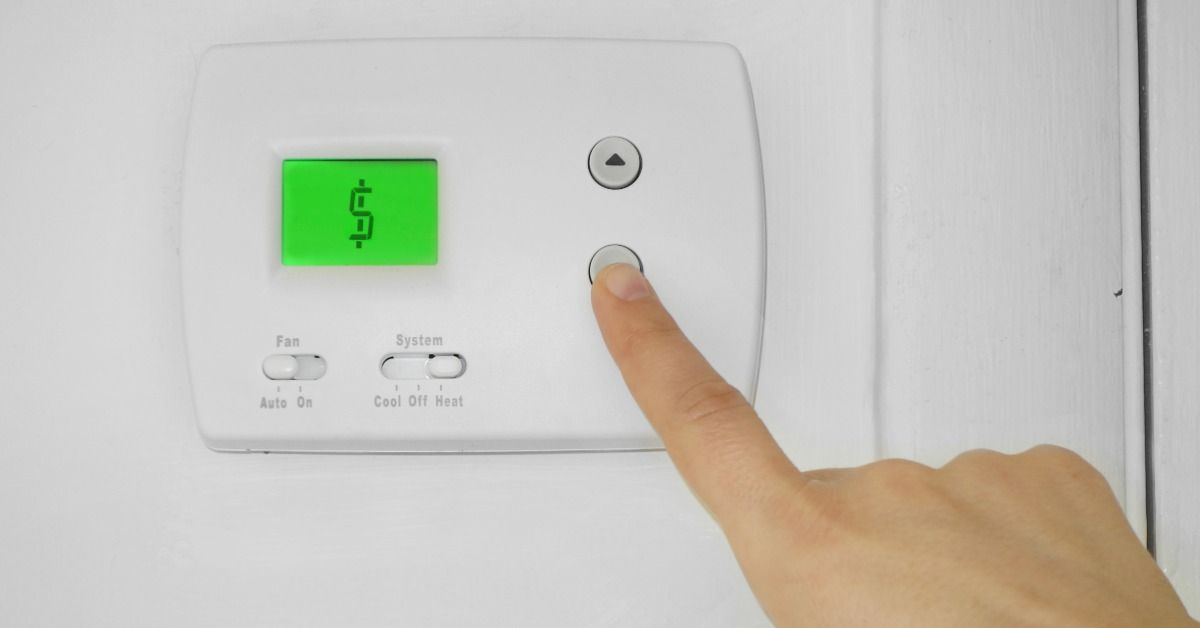
Heating and cooling costs can rise for many reasons, including weather, energy prices, and changes in household use. Unusually high energy consumption is a common sign of a poorly insulated house. If your home is losing conditioned air faster than it should, your HVAC system may have to run longer to maintain your desired temperature.
Your HVAC system heats or cools air and circulates it throughout the home to maintain the temperature set on the thermostat. Over time, extra strain may lead to more frequent repairs, reduced efficiency, or a shorter system lifespan.
3. Drafts in Areas
A draft usually means outdoor air is moving through openings in the home’s building envelope rather than through the insulation itself. Insulation and air sealing solve different problems, but both can affect how comfortable a room feels. If drafts occur alongside temperature swings or high energy use, it may be worth evaluating both.
If you have inadequate insulation, you may notice unwanted airflow around:
- attic access points
- exterior wall penetrations
- baseboards along exterior walls
- windows and doors
4. Ice Dams Along the Roofline
During snowy weather, heat escaping into the attic can warm parts of the roof deck, causing the snow above them to melt. That water can travel toward colder roof edges, where it may refreeze and contribute to ice buildup.
Snow patterns on the roof can sometimes offer clues about differences in roof temperature. Sections that melt much faster than surrounding areas may be receiving more heat from below. Roof shape, sunlight, wind, and roofing materials can all affect how quickly snow melts, so one bare patch doesn’t confirm an insulation problem. Instead, look for patterns that repeat after several snowfalls, especially when they appear alongside ice dams or other signs of heat escaping into the attic.
5. Visible Gaps in Attic Insulation
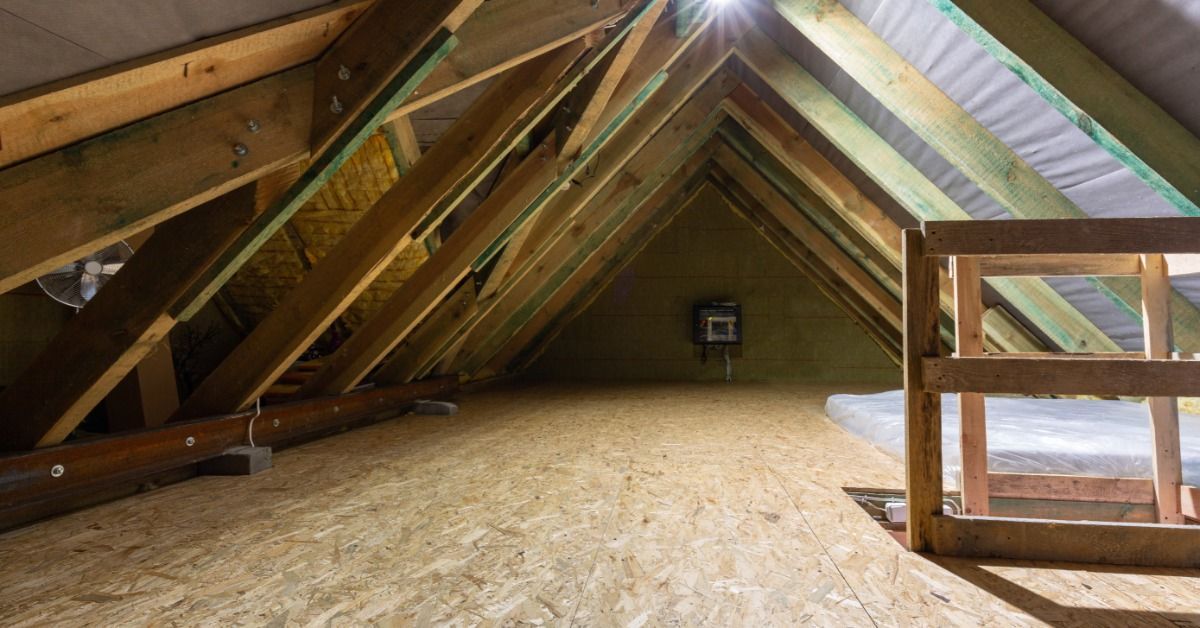
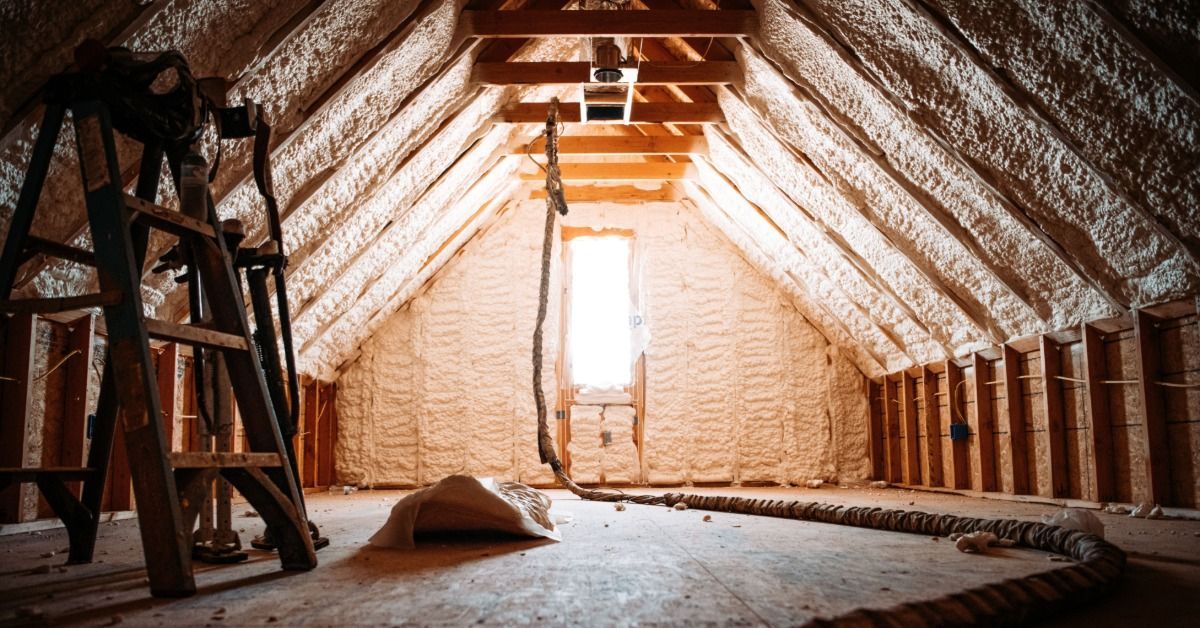
The attic is one of the few places where existing insulation may be visible without opening walls or floors. From a safe, accessible location, you may notice insulation that looks thin, uneven, compressed, shifted, or missing in certain sections. Those differences can mean some parts of the attic have less resistance to heat transfer than others. If the attic isn’t designed for safe access, don’t walk between framing members to get a closer look.
Thin or Uneven Coverage
Attic insulation should generally provide consistent coverage rather than leaving obvious bare sections between insulated areas. Low spots or exposed framing can indicate that insulation depth varies across the attic. Uneven coverage may happen because insulation was installed inconsistently, shifted over time, or was disturbed during work in the space.
Compressed or Disturbed Insulation
Insulation may not perform as intended when it has been heavily compressed or moved aside. Storage, maintenance work, wiring projects, and other attic activity can sometimes change how the material is distributed. Compressed insulation can have less insulating value than the same material installed at its intended thickness, while disturbed areas may leave gaps that allow heat to move more easily through the ceiling below.
6. Condensation in the Attic
Warm indoor air can carry moisture into the attic, where it may condense on colder surfaces. You may notice water droplets, damp surfaces, frost, or moisture on roofing components.
Attic moisture shouldn’t automatically be blamed on insulation because several parts of the home work together to control temperature and humidity. A thorough evaluation can identify whether insulation, ventilation, air leakage, or another issue is contributing to the problem.
Address Insulation Problems at the Source
A professional insulation company can evaluate your home and recommend improvements based on their findings. The right fix will depend on where the problem is located, the type and condition of the existing insulation, and how the surrounding area is constructed.
Depending on the results of the evaluation, your installer may:
- Add insulation to under-insulated areas.
- Replace damaged or compressed insulation.
- Fill gaps around attic access points.
- Seal air leaks around penetrations.
- Improve insulation in walls or floors.
- Add attic insulation for more even coverage.
Insulation problems often show up as a combination of comfort, energy, and moisture issues rather than a single obvious warning sign. Looking at the bigger picture can make it easier to tell when the problem may go beyond normal seasonal changes. A professional evaluation can pinpoint where your home is losing efficiency and which areas need improvement. From there, you can make targeted updates that support more consistent comfort and better performance.