How To Identify Common Signs of Roof Damage
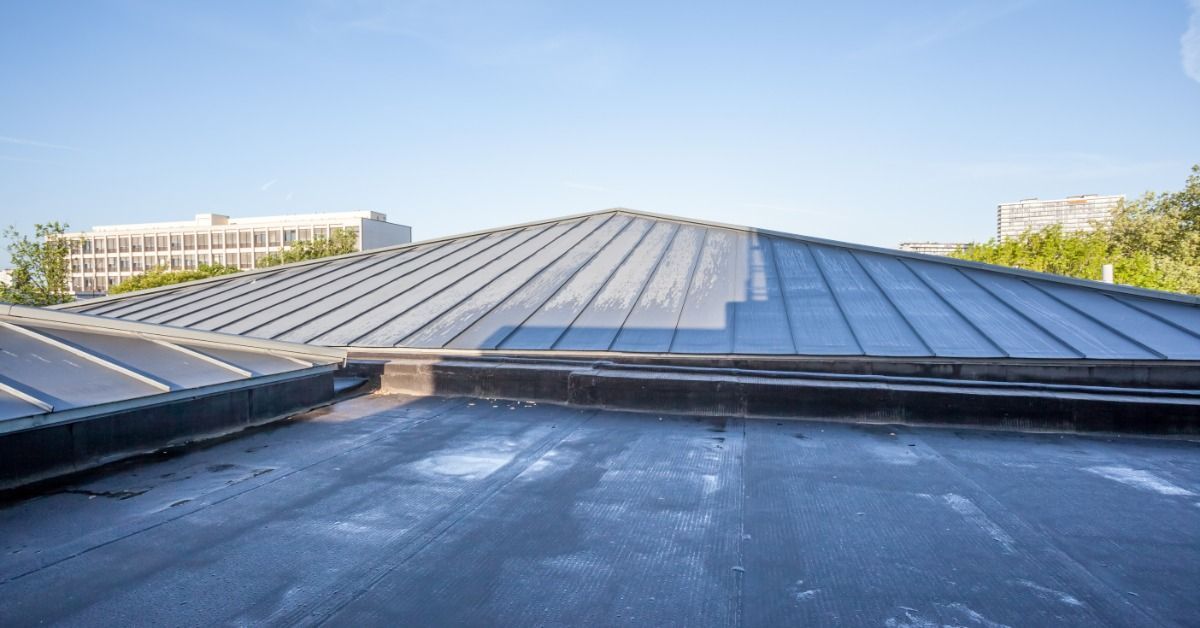
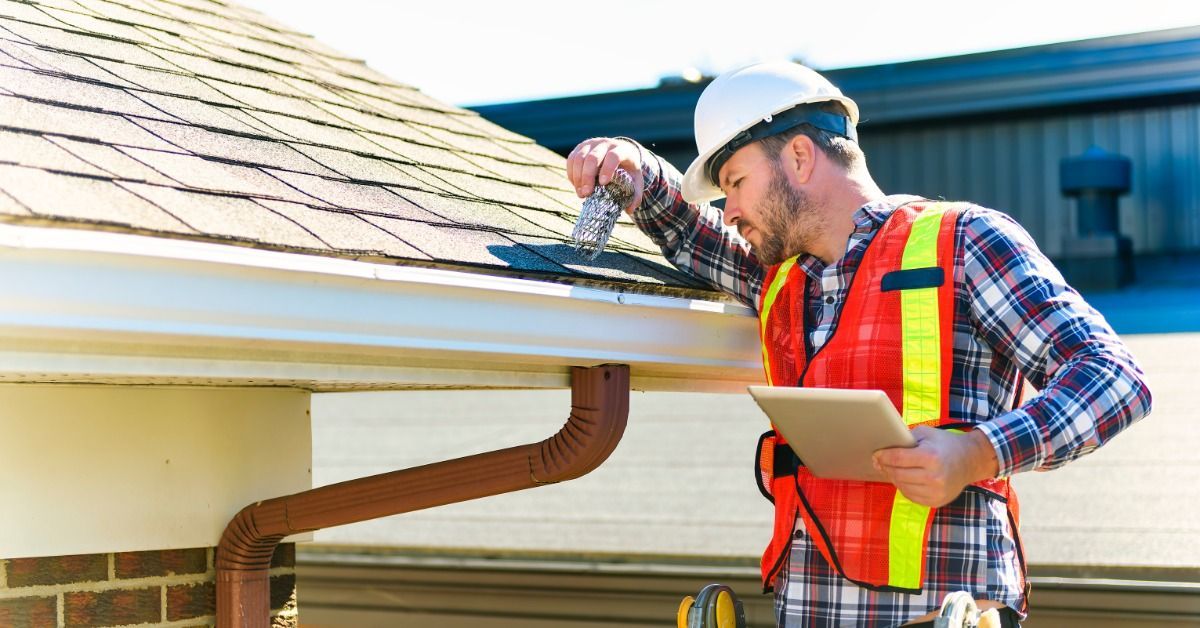
Every roof faces ongoing exposure to weather, and the effects can show up in different ways over time. Property owners can identify some changes, such as deteriorating materials or drainage issues, from the ground or inside the building. Other common signs of roof damage are easier to spot up close, and getting onto the roof isn’t always safe. In those cases, a professional inspection can provide a closer look without putting you at unnecessary risk.
Check for Missing or Damaged Roofing Materials
Because roofing materials form the main protective surface, visible wear is often one of the first things you can spot. Depending on the roofing system, damage may affect shingles, metal panels, membranes, or other materials.
Look for Cracks, Tears, or Punctures
Severe weather or impact can leave roofing materials visibly damaged. Shingles may break, membrane roofing can develop punctures, and metal panels may become dented or bent. Even a small opening can leave the layers underneath more exposed to moisture. From a safe location, look for sections that appear broken, torn, punctured, or noticeably different from the surrounding roof.
Notice Loose or Missing Materials
Wind and weather can loosen shingles, panels, membrane sections, and other roof components. You might notice a bare spot where a shingle is missing or an area that looks lifted compared with the rest of the roof. On commercial roofs, membrane edges may also begin to separate or pull away. If a section looks out of place, document what you see so a roofing professional can inspect it more closely.
Watch for Signs of Water Intrusion
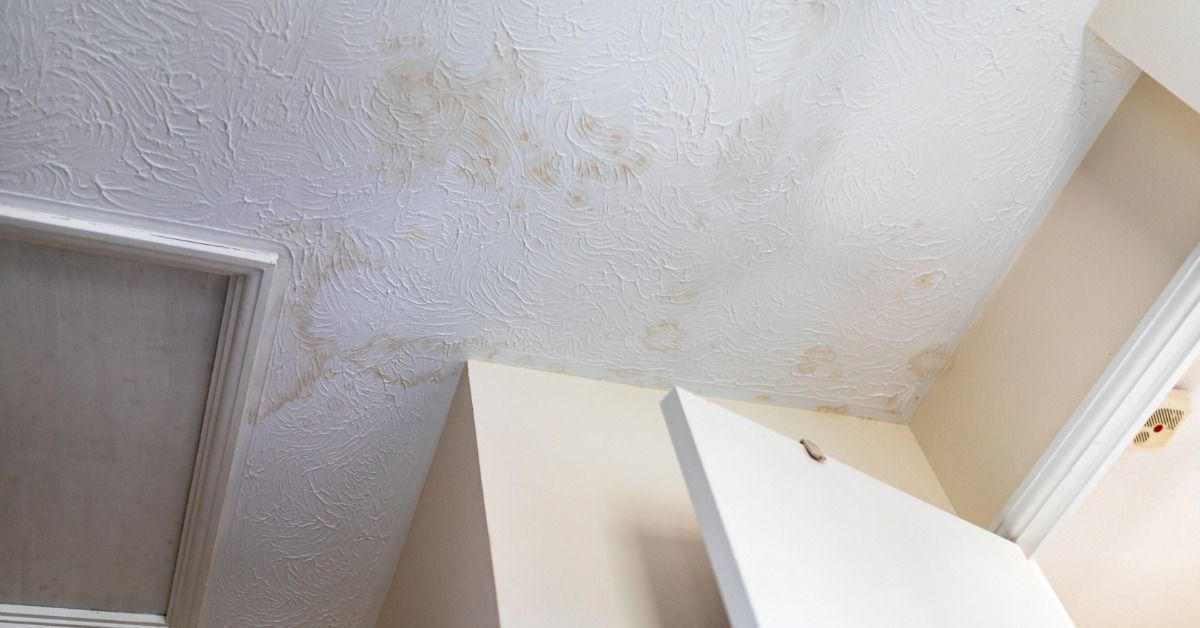
Another sign of roof damage is moisture showing up inside the property, even when there isn't an active leak. You may identify a potential problem by checking for stains, damp areas, or other changes after heavy rain. Interior clues can sometimes reveal issues that aren't visible from outside.
Common signs of water intrusion include:
- water stains on ceilings or walls
- damp insulation or ceiling tiles
- peeling or bubbling paint
- musty odors near affected areas
- dripping water during or after rain
Pro-Tip: Keep Records of Roof Work
Keep records of inspections, repairs, leaks, storm damage, and other roofing work whenever possible. If the same area has needed repeated repairs, that history may give a roofing professional useful context during an evaluation. For commercial properties, maintenance records can also make it easier to track changes across a larger or more complex system.
Inspect Flashing and Roof Penetrations
A roof has several transition points where different materials or building components meet. Flashing and seals protect these areas by limiting the paths water can take around openings and joints.
Check Seals Around Penetrations
Pipes, vents, skylights, HVAC equipment, and other penetrations need tight seals where they pass through the roof. Over time, sealants and surrounding materials may pull away or deteriorate. Commercial roofs often have more mechanical penetrations, which makes these areas especially important during routine inspections. If roofing material no longer sits snugly around the opening, a roofing professional can inspect the area and reseal or repair it.
Look for Loose Flashing
Flashing is commonly installed along roof edges, walls, chimneys, valleys, and other transition points. If it becomes compromised, water may be able to move beneath nearby roofing materials. These issues can affect both residential and commercial systems. A roofing professional can determine whether the flashing needs to be resealed, repaired, or replaced.
Look for Ponding Water
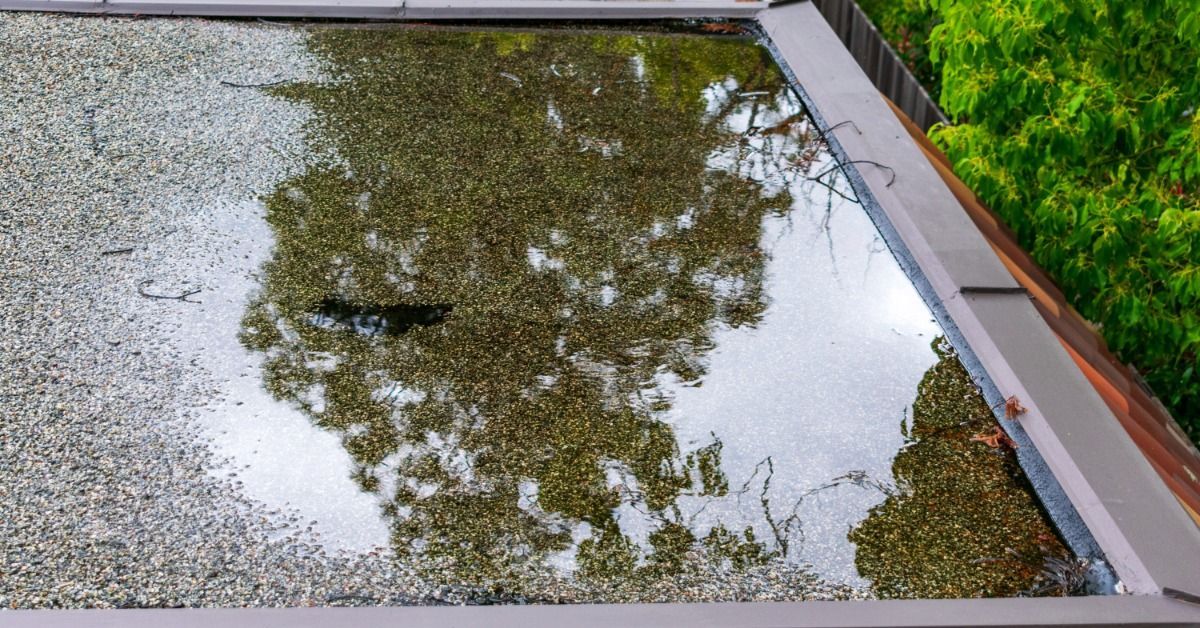
Flat and low-slope roofs depend on proper drainage to move water toward drains, gutters, or scuppers. These roof styles are common on commercial buildings, where standing water can become a recurring concern. If ponding water is contributing to damaged roofing materials, a professional can determine whether commercial roof repair is needed.
Low spots are often easiest to spot after a period of rain, when water collects in the affected areas. Once the surface dries, dirt rings, staining, or residue may show where water repeatedly sits. Ongoing ponding can place extra stress on roofing materials and may also point to a drainage or slope issue that should be evaluated.
Look for Sagging or Uneven Areas
A change in the roof's shape can point to several possible concerns, including trapped moisture, deteriorated materials, or structural movement. A sloped roofline may begin to dip, while a flat roof can develop sections that look lower than the surrounding surface. Because the cause isn't always obvious from appearance alone, these changes are worth having evaluated.
Visible changes that may signal uneven roof areas include:
- dips along the roofline
- uneven or wavy surfaces
- low areas holding water
- soft-looking roof sections
- changes around roof edges
Check Drainage Areas for Problems
A roofing system needs a clear path for rainwater and melting snow to move away from the roof. Residential properties often rely on gutters and downspouts, while commercial and low-slope roofs may also use internal drains or scuppers. When these components are blocked or damaged, water may begin collecting where it shouldn't.
Check for gutters that look clogged, loose, or separated from the roofline. On low-slope roofs, debris near drains or standing water nearby can suggest that water isn't moving efficiently. Keeping drainage areas clear can reduce the amount of moisture sitting against roofing materials after storms.
Watch for Surface Deterioration
Weather and normal aging can gradually change the surface of a roof even when no single event causes obvious damage. The signs vary by roofing material, so knowing what wear looks like on your roof can make changes easier to recognize.
Common types of surface deterioration include:
- granule loss on asphalt shingles
- curling or brittle shingles
- corrosion on metal roofing
- faded or deteriorating coatings
- blistering on membrane roofs
- cracking along seams or surfaces
- separated membrane seams
Roof damage can take many forms, from a missing shingle on a home to ponding water on a commercial membrane roof. Looking at the roof surface, drainage areas, penetrations, interior spaces, and overall condition gives you a more complete picture than focusing on one symptom alone. You don't need to climb onto the roof or determine the exact cause yourself to notice that something has changed. When signs of wear or damage appear, a professional inspection can clarify what’s happening and what to do.