How To Choose a Professional Roof Inspector
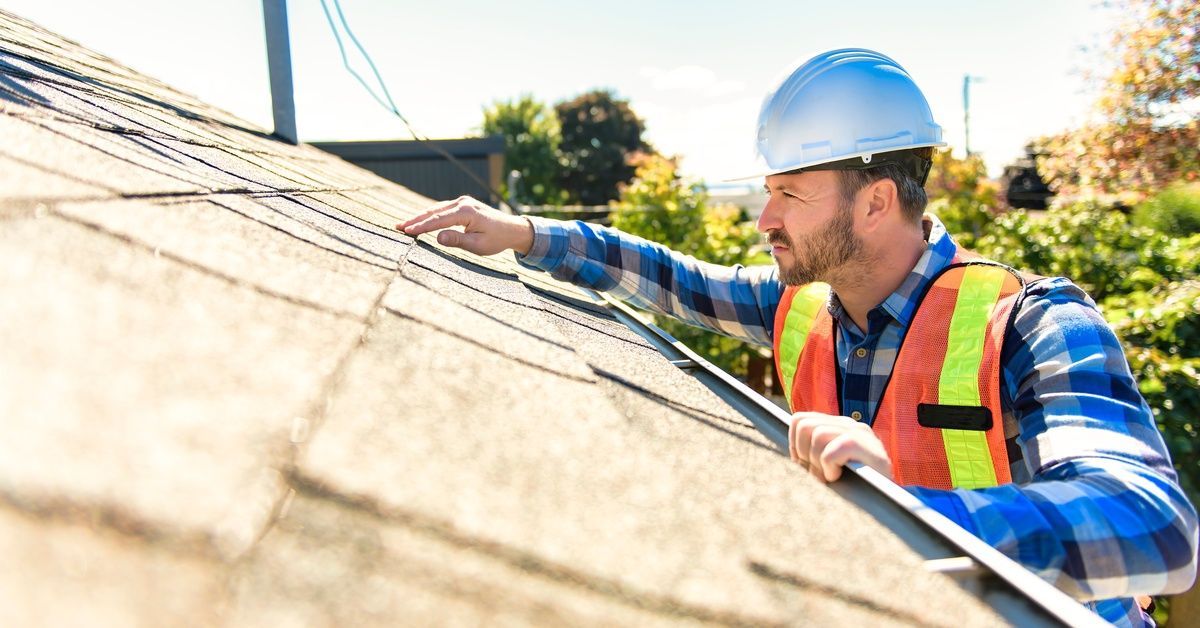
A roof inspection usually starts with a simple question: “Is everything up there still doing its job?” A roof inspection is helpful before a home sale, after heavy wind or rain, or when repair plans need a clearer starting point. It can also help answer bigger questions about wear patterns. By carefully choosing a professional inspector, homeowners can get useful information about the state of their roof rather than a rushed opinion.
Check Their Training
Training helps inspectors distinguish between normal wear, poor installation, storm damage, and signs that require closer review. It also helps them explain what’s visible during the inspection while being honest about anything that would need a deeper look.
Here are the main training and qualification details worth asking about before hiring someone:
- roof inspection education or certification
- membership in a professional inspection organization
- experience with your roof material
- knowledge of local building conditions
- a clear inspection process
Roof-Specific Experience
General construction knowledge helps, but roof inspection work requires a closer eye for roof details. A qualified inspector should understand flashing, drainage, ventilation, roof penetrations, fasteners, sealants, and common wear patterns. They should also know how different materials age in different conditions.
Confirm Liability Insurance
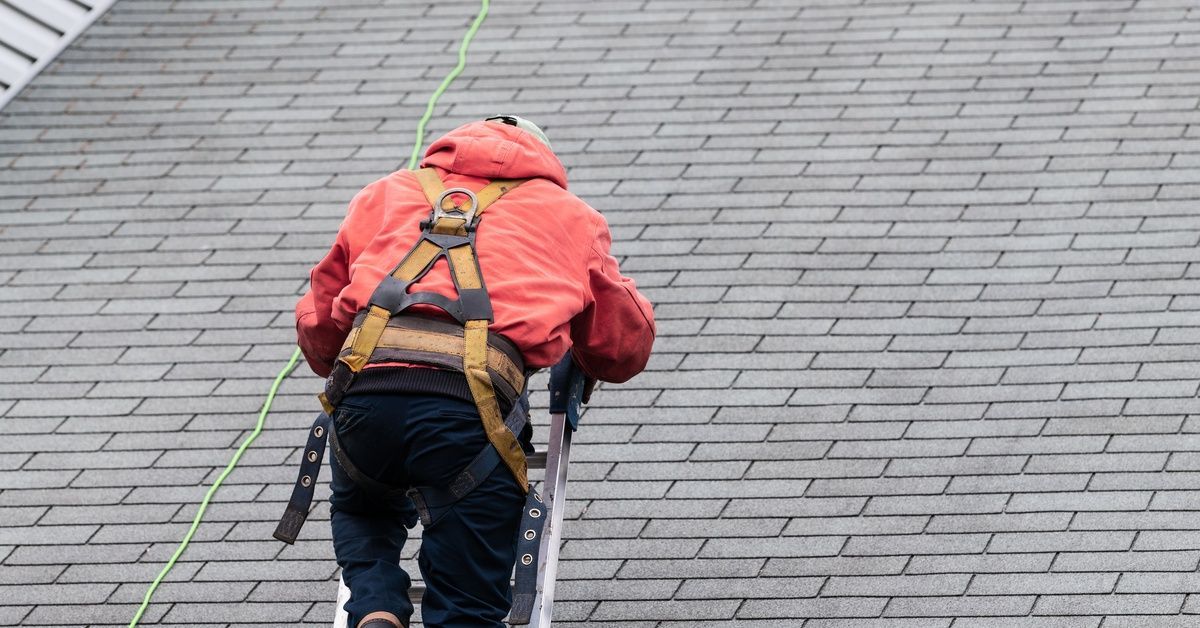
Liability insurance is a standard safeguard for any service that involves roof access, ladders, or work around your property. It shows that the inspector has coverage in place for the rare situation in which an accident or property issue arises during the appointment. Ask for proof of coverage rather than just a verbal promise.
Roof access always comes with some risk, even when the inspection seems routine. A ladder could damage a gutter, foot traffic could crack a fragile tile, or equipment could scrape siding. An inspector who carries proper coverage shows they take those risks seriously and run their work like a professional service.
When Roof Walking Isn’t Safe
Some roofs shouldn’t be walked on during a standard inspection. Tiles may crack under foot traffic, wet shingles may become slippery, and steep roofs may require special safety equipment. In those situations, the inspector needs a safer way to evaluate the roof. They may use ladder-edge viewing, binoculars, drone photos, or attic clues to gather information.
Look For Relevant Experience
Different roofs need different kinds of attention, so don’t assume every inspector has the same experience. Asphalt shingles, metal panels, tile, slate, flat roofing, and low-slope systems all age differently and show damage in different ways. That’s why it helps to choose a professional roof inspector who understands your roof system.
These are the details an inspector should be comfortable evaluating:
- roofing material and age
- flashing around edges and penetrations
- drainage paths and gutter performance
- ventilation clues in accessible areas
- signs of storm or moisture damage
Residential Roofs
A residential roof inspection usually focuses on how well the home’s roof system protects the living space below. The inspector may look at shingles, flashing, vents, gutters, pipe boots, chimneys, and skylights. Homeowners should also ask whether the inspector will check the attic for signs of moisture or ventilation issues. A thorough inspection can indicate which residential roof repair makes sense for damaged areas.
Commercial Roofs
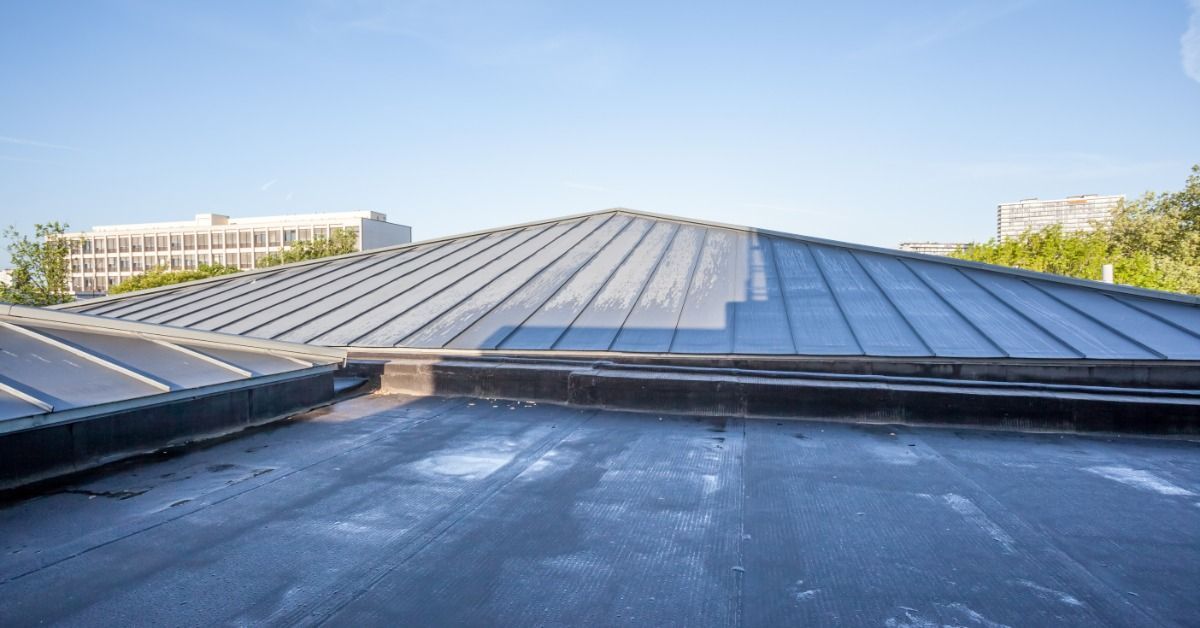
Commercial roofs may require a different skill set than residential roofs. Many commercial buildings have flat or low-slope systems with drains, scuppers, membranes, seams, coatings, rooftop equipment, and larger drainage patterns. An inspector who understands those systems can provide more useful feedback than someone who only works on steep-slope roofs.
Understand the Inspection Scope

Most standard roof inspections focus on visible, accessible areas rather than hidden parts of the roof system. In a typical inspection, the inspector won’t remove shingles, open walls, pull apart roofing materials, or confirm damage behind finished surfaces. Some specialized inspections may go further, but that should be discussed and approved before the work begins.
A clear inspection scope helps homeowners understand exactly what the inspector will check and when a deeper evaluation may be needed. It should explain the areas included, the areas excluded, and any limitations due to weather, height, roof pitch, or unsafe access. Moreover, the scope should be written clearly enough that you know what you’re paying for before the appointment begins.
Request A Sample Report
Ask whether the inspector can share a sample report or report template before you hire them. A sample report is an example of what you’ll receive after the inspection, so it helps you see how the inspector organizes findings, photos, notes, and recommendations. It may not be a full past client report, since private details should stay protected. Instead, the inspector may provide a redacted example, a blank template, or screenshots that show the report format.
Reviewing a sample gives you an idea of how useful the inspection will be. A strong report should describe visible roof conditions, identify problem areas, explain why certain findings warrant attention, and distinguish urgent concerns from routine maintenance. Some reports include photos, which are especially helpful because they show the areas the inspector is talking about.
Consider Their Communication Style
The way an inspector communicates before the appointment can tell you a lot about what the rest of the process may feel like. Clear, patient answers early signal that they’ll explain the report well, answer questions honestly, and help you understand the next steps without pressure.
Before hiring an inspector, look for communication habits like these:
- They answer basic questions without brushing you off.
- They explain what the inspection includes and doesn’t include.
- They tell you what access they’ll need, such as attic, gate, or driveway access.
- They give a clear timeline for the inspection and report.
- They’re upfront about safety limits, pricing, and report details.
- They don’t pressure you into scheduling repairs before explaining the findings.
A roof inspection isn’t just about spotting problems; it’s about getting a clearer story of how the roof is holding up. The best inspectors give you a stronger foundation for repair decisions, sale negotiations, maintenance plans, or long-term budgeting. Additionally, a good inspector should explain findings clearly and give you practical information without pressure. Take these considerations into account to find the right roof inspector for your home or business.