
Tips for a Durable Replacement Roof
July 16, 2020
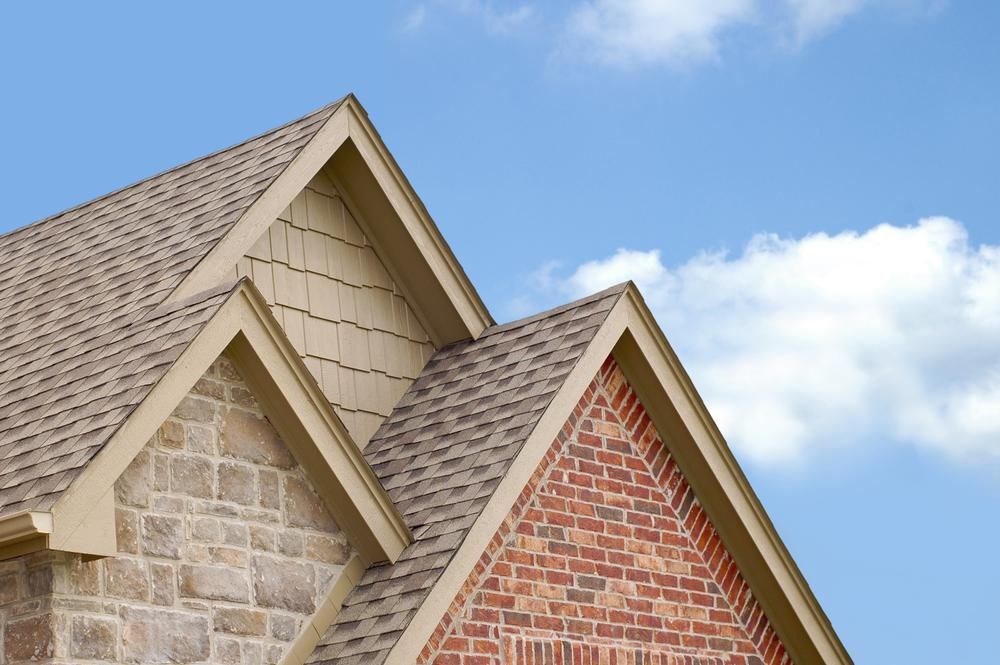
If you want a durable roof, then you must install and maintain it properly. However, maintenance alone will not make your roof durable if you get the installation wrong. In case you need to replace your roof, take the following measures to get the durability right from the beginning.
Choose Durable Materials
All the different parts of the roof work together to ensure roof longevity. Ensure every material on your roof is the most durable you can afford. Flashing, sheathing, deck, gutters, and roofing materials should all be durable.
Many people would be satisfied with roofing materials that last over 50 years. Examples of roofing materials that can last over 50 years include metal, clay tiles, and slate tiles.
Many people would be satisfied with roofing materials that last over 50 years. Examples of roofing materials that can last over 50 years include metal, clay tiles, and slate tiles.
Opt for a Simple Design
A complex roof design has multiple roof sections, valleys, ridges, and corners. These parts of the roof can be more problematic than flat surfaces of the roof. Thus, the complexity of the roof increases the number of things that can go wrong. Some simple roof designs to consider include:
Uncomplicated variations of these roofs also work. Your roofing contractor can also suggest other simple and durable roof designs.
- Flat or low-slope roofs
- Shed roofs
- Gable roofs
Uncomplicated variations of these roofs also work. Your roofing contractor can also suggest other simple and durable roof designs.
Do Not Overlay the Roof
You can install your new roof over the existing roof surface to minimize roof replacement costs. However, such a roof might not be as durable as it would be if you tore off the old roof. Learn about some reasons overlay are not durable:
The savings you make if you avoid the tear-off might not compensate for the short lifespan of the roof.
- The two roof layers could trap moisture and heat between them, and both things accelerate material degradation.
- The bottom layer might degrade before the upper layer and necessitate roof replacement.
- The two layers might be too heavy for the roof.
- An overlay will deny you the opportunity to inspect other parts of the roof, such as the deck, which might not be in good shape.
The savings you make if you avoid the tear-off might not compensate for the short lifespan of the roof.
Use the Right Installer
The installation quality of the roof also determines its longevity. The skill and experience of the installer determine the installation quality. For example, a skilled installer will:
Note that you do not have to maintain the existing design during roof replacement. Your installer can make some modifications to increase roof longevity.
- Nail roofing shingles with the correct nails and at the correct positions
- Design and install an effective drainage system
- Install an effective drip edge
- Use gutters and downspouts of correct sizes
Note that you do not have to maintain the existing design during roof replacement. Your installer can make some modifications to increase roof longevity.
Ensure Energy Efficiency
Most people opt for energy-efficient roofs to save energy bills or out of concern for the environment. However, energy-efficient roofs also tend to be durable. Below are examples of how energy efficiency affects roof durability:
The local weather and climate determine the best energy-efficient measures to adopt. Your roofing contractor will advise you on these measures.
Sit down with your chosen contractor and discuss what you expect from the roof. That way, the contractor can get everything right the first time. Leon Construction can give you a durable roof so that you do not have to worry about a replacement in the near future. Talk to us today so that we can help you begin your roof replacement journey.
- White roofs are energy-efficient because they reflect heat off the roof. Without the reflections, the heat would not only heat the house but also deteriorate the roofing materials.
- Proper insulation prevents heat penetration through the roof and limits material damage due to overheating.
- Adequate ventilation ensures heated air does not get trapped in the attic, where it would cause damage.
The local weather and climate determine the best energy-efficient measures to adopt. Your roofing contractor will advise you on these measures.
Sit down with your chosen contractor and discuss what you expect from the roof. That way, the contractor can get everything right the first time. Leon Construction can give you a durable roof so that you do not have to worry about a replacement in the near future. Talk to us today so that we can help you begin your roof replacement journey.
Minor roof damage can lead to leaks, decking damage, and other issues. See how addressing small problems can save time and money and help your roof last longer.
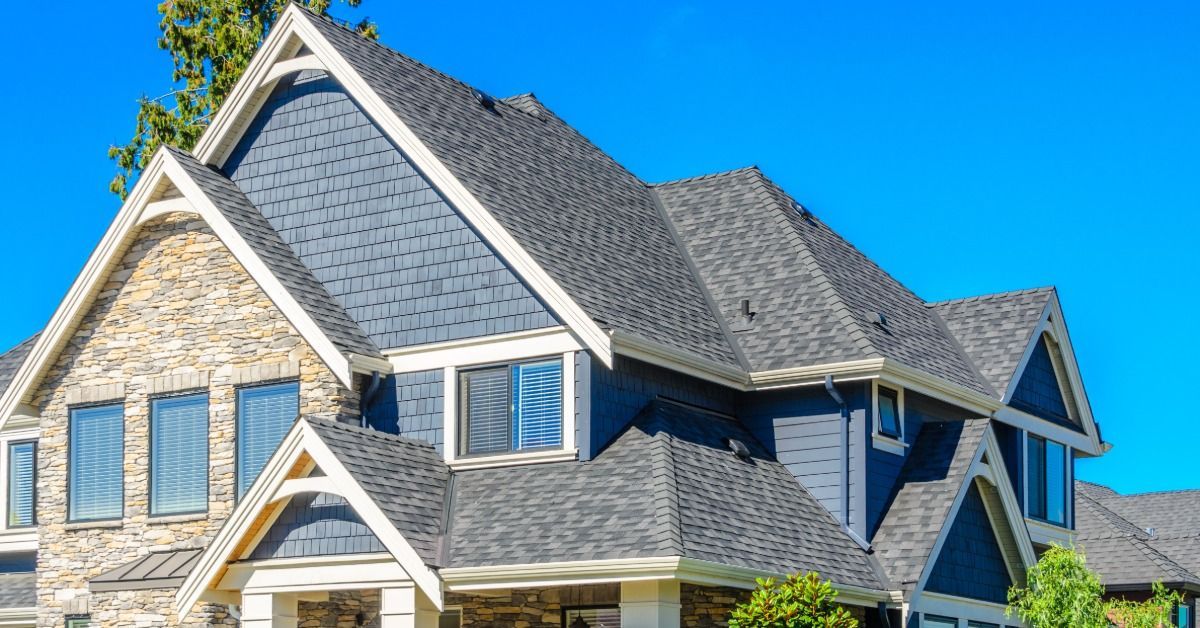
Roof problems can look different depending on the material and where damage develops. Learn which signs mean it's time for a replacement rather than a repair.

If your home feels cramped, cluttered, or harder to share, it might be time for a remodel. These ideas can make your space work better for the whole family.

Gutter repairs can work well, but not in every situation. See when replacement may be the better choice based on age, damage, performance, and cost.
Home improvement projects involve many moving parts and careful coordination. See how a contractor can manage the details and keep each phase organized.

Poor insulation can affect comfort, energy use, and moisture levels throughout your home. Know what to watch for and when to call a professional.
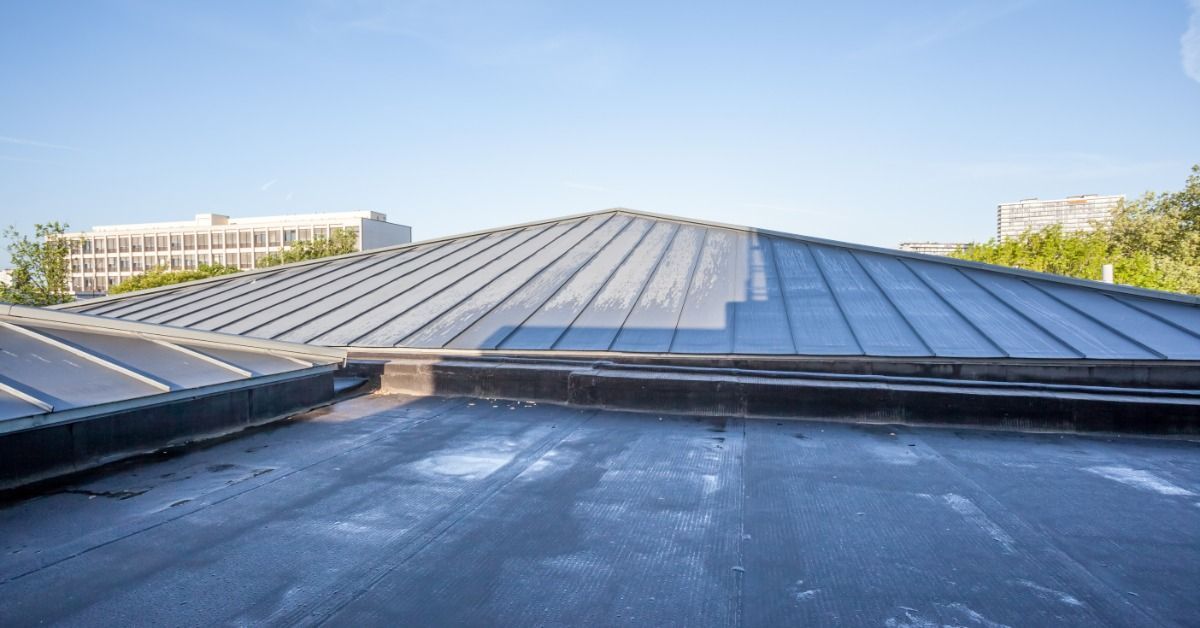
Missing materials, water stains, ponding, and surface wear can all point to roof damage. See what to look for on residential and commercial roofs.
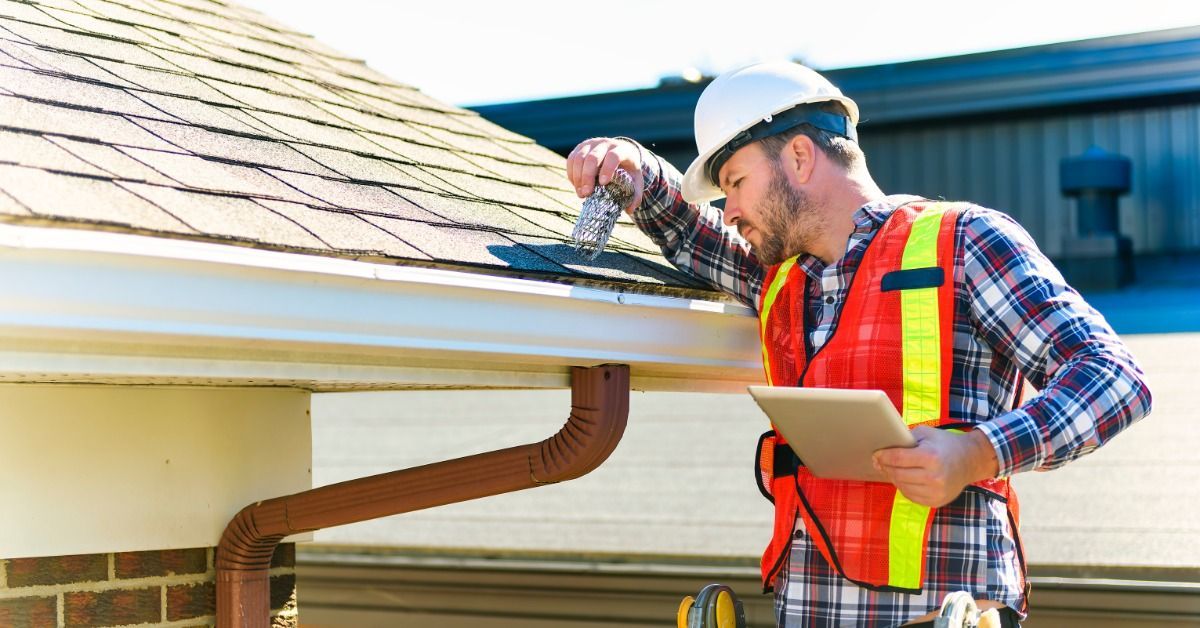
A roof inspection can uncover concerns that are easy to miss from the ground. See how the roof is evaluated and what happens after the report.

Aging in place means adapting your home so it works better through every stage of life. These practical renovation ideas support safer, easier daily living.
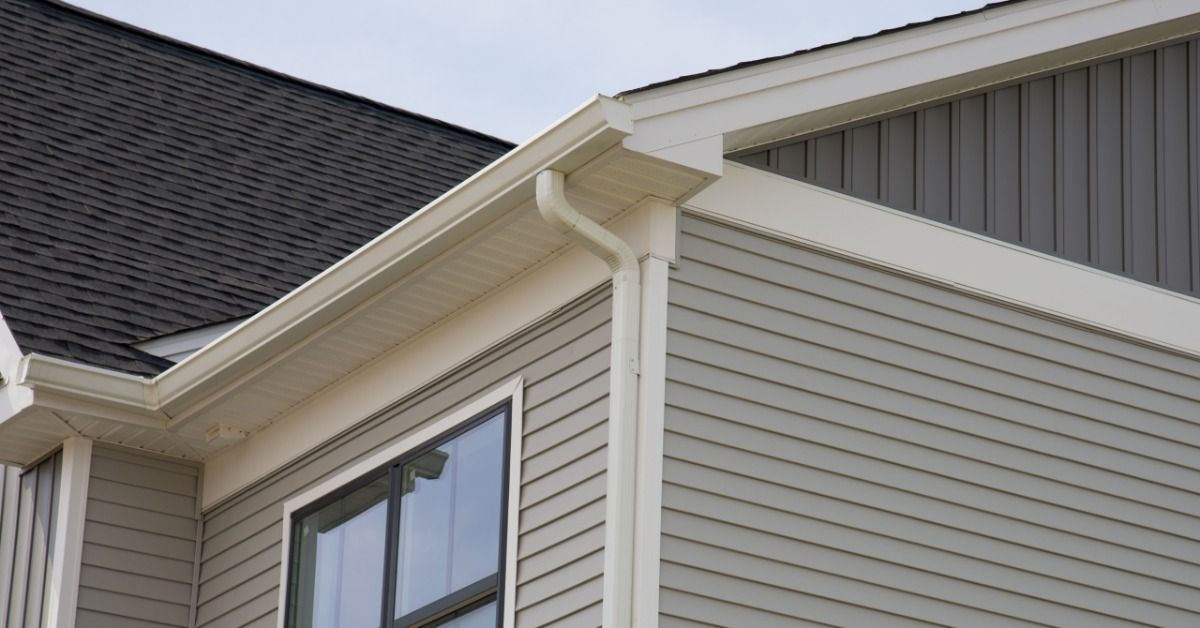
A good gutter system doesnt get much attention until rain starts spilling from the roofline or pooling near the foundation. If youre choosing gutters for your home, it helps to compare shapes, sizes, materials, and maintenance needs before you commit. The right setup should move water away from the building without making upkeep feel like a constant chore. A few simple comparisons can help you avoid choosing something that looks fine at first but doesnt direct water where it needs to go. Match Your Roofline Your roofline affects how much water your gutters need to carry and where the downspouts should go. A simple roof with long, straight edges may need a different setup than a roof with several valleys, dormers, or steep slopes. Roof pitch also plays a role because steeper roofs move water faster during heavy rain. Wider gutter runs, extra downspouts, or larger gutter sizes may help manage that flow. A contractor can review the roof layout and recommend a setup that keeps water moving rather than backing up. Why Roof Valleys Need Attention Roof valleys collect water from two roof planes, so they usually send a heavier stream into one area of the gutter system. That extra flow can overwhelm a small gutter or poorly placed downspout during a storm. Splash guards may help in some spots, especially where water runs off the roof quickly. Additionally, a contractor may suggest changing the downspout placement to help the system handle runoff more smoothly. Compare Gutter Materials