How To Avoid the Most Common Roofing Problems
At some point, every roof needs replacement, but homeowners can take plenty of steps to help theirs last longer. A solid roof protects your home from water, wind, heat loss, and debris. With regular checkups and swift repairs, you can keep your roof stronger longer and make home maintenance less stressful. This guide explains how to avoid the most common roofing problems by showing what to watch for, which tasks make the biggest difference, and when to get professional help.
Check Your Roof Regularly
You can catch many roof problems by looking over your home a few times a year and after rough weather. You don’t need to climb onto the roof! Ground-level checks and indoor inspections can tell you a lot. If something looks unsafe, damaged, or difficult to identify, call a roofing professional.
Look From the Ground
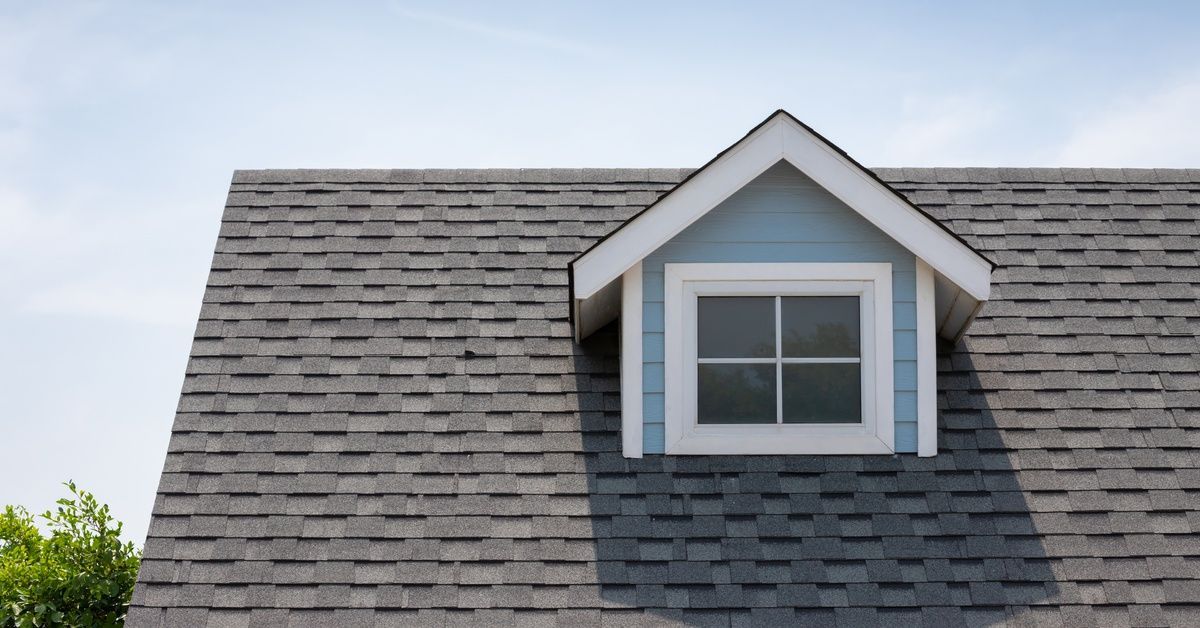
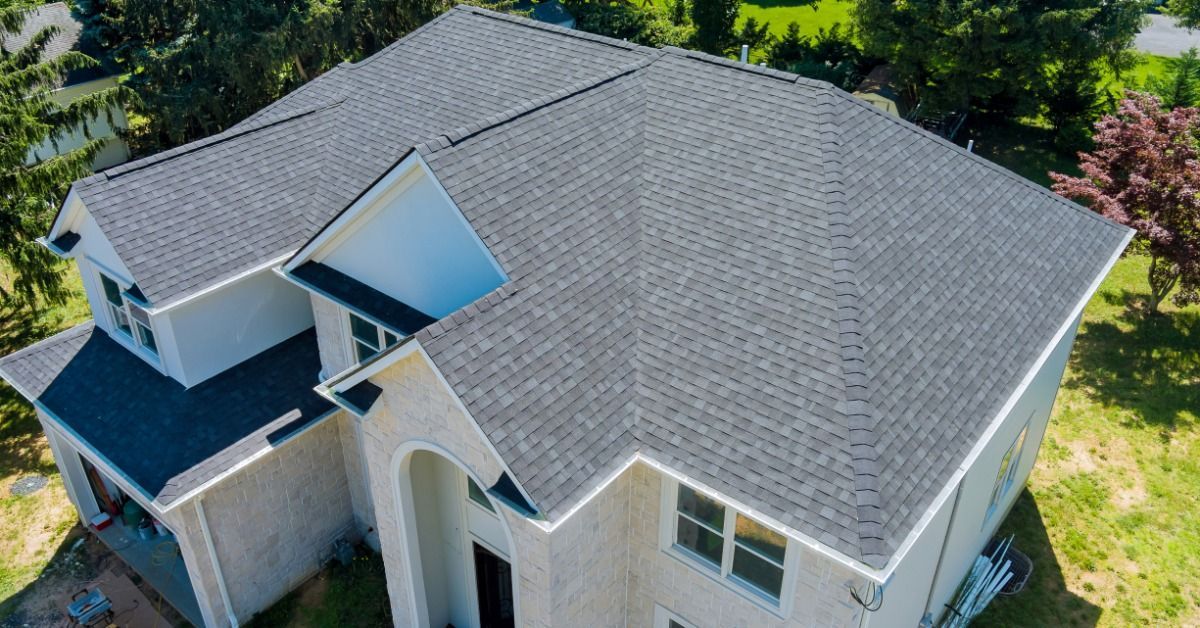
Walk around your home slowly and look at the roof from several angles. Check for missing shingles, curling edges, sagging spots, damaged flashing, and piles of shingle granules near downspouts. These signs indicate worn materials or poor drainage.
Check Inside the Attic
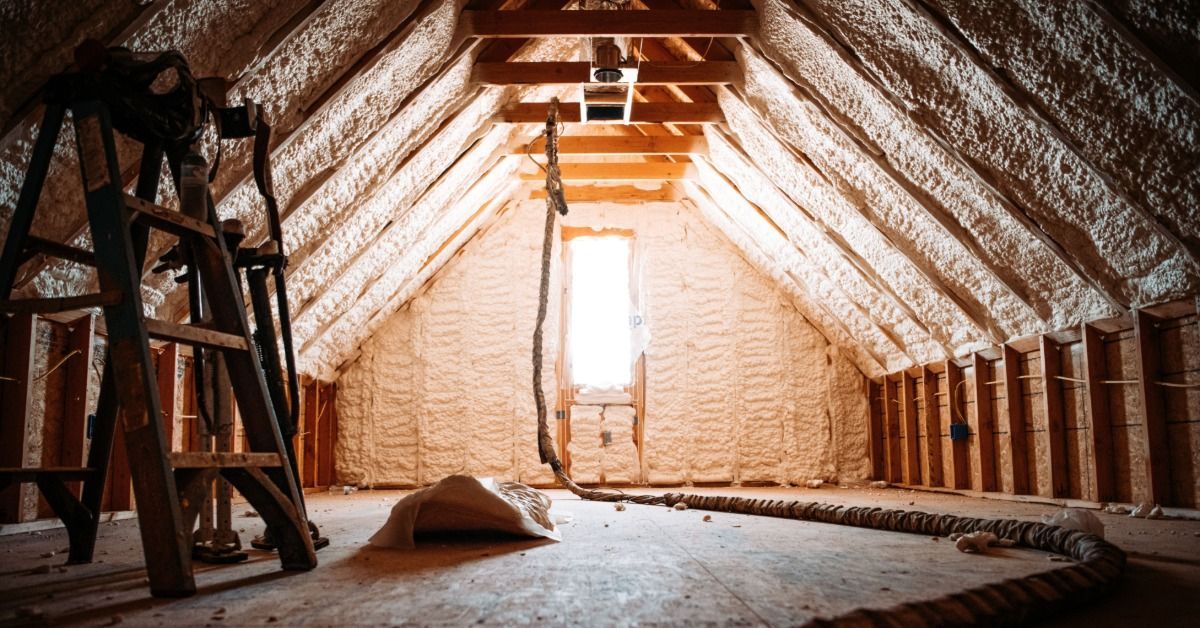
Use a flashlight to check the attic after heavy rain, snow, or strong winds. These events may reveal weak spots that appear fine in calmer weather. Look for damp insulation, dark stains on wood, musty smells, frost, or small spots where daylight shines through.
Review Ceilings and Walls
In your home, look at ceilings, upper walls, closets, and corners near the roofline. Stains and bubbling paint indicate water has traveled from the roof into the living space. A mildew smell also suggests damp materials, perhaps caused by a roof leak. However, water may travel before it becomes visible, so the stain you see may not be directly below the problem area.
Watch Roof Ventilation
Good attic ventilation improves how your roof handles heat, moisture, and seasonal temperature swings. Warm, damp air that gets trapped in the attic may contribute to condensation and musty odors.
Here are common clues that ventilation may need a closer look:
- The attic feels unusually hot during mild weather.
- Frost or moisture appears on attic surfaces.
- Bathroom fans vent into the attic instead of outdoors.
- Shingles show unusual curling or aging.
- Indoor humidity feels hard to control.
Attic Condensation and Roof Deck Damage
When warm, damp air collects in the attic, moisture can soak into the wood decking, causing it to swell, warp, or retain heat unevenly. As the roof deck loses its stable, level surface, the shingles above it may no longer sit flat. That stress can make shingle edges lift or age faster.
Keep Gutters Moving
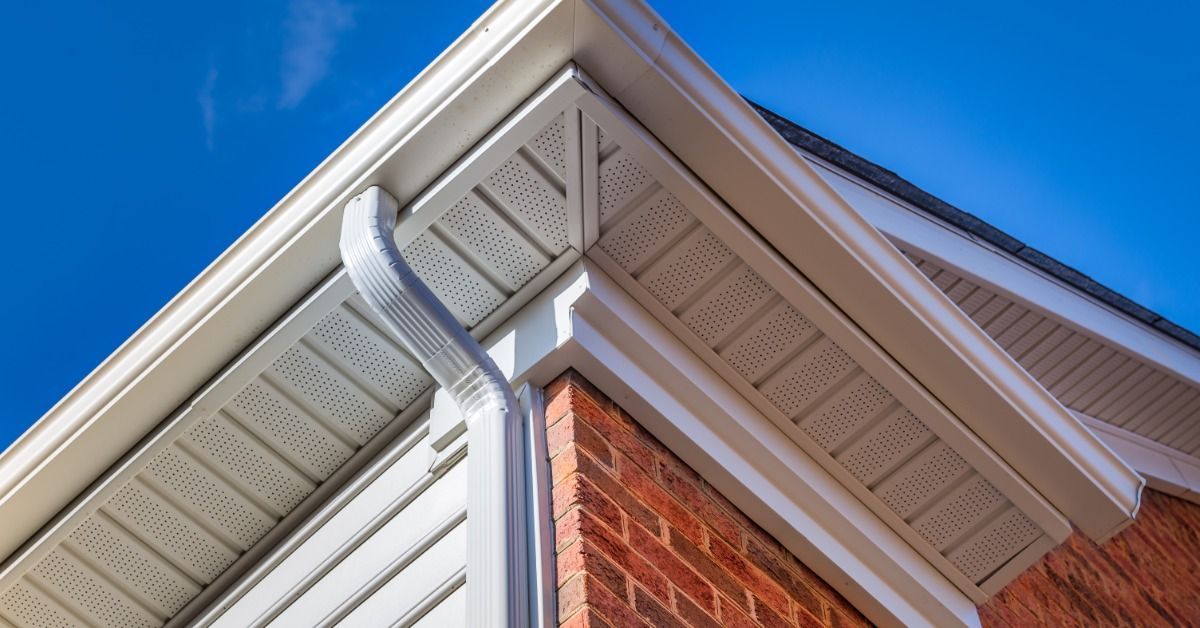
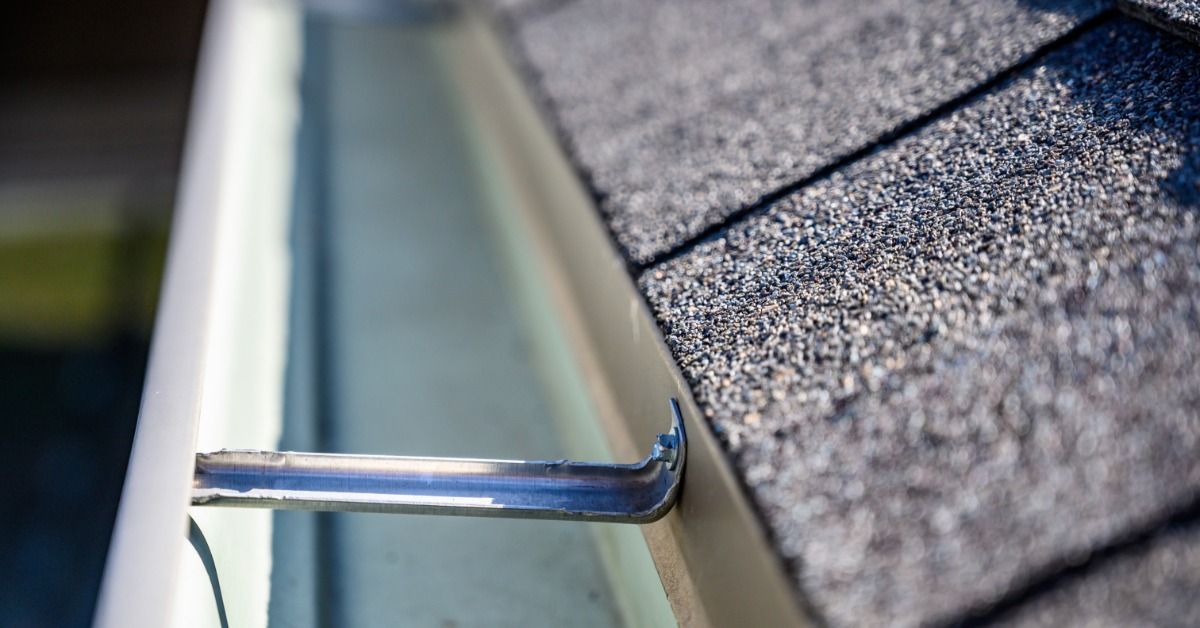
Gutters protect the roof edge, siding, foundation, and landscaping by moving water away from the house. Water backs up and may creep under shingles or fascia boards when leaves and twigs block the gutter. Because of that, one clogged section can create roof and exterior problems at the same time.
You should clean gutters at least during the heavy leaf season and again after major storms. Additionally, make sure downspouts direct water away from the foundation rather than beside the home.
If your gutters pull loose or overflow in light rain, call roofing contractors. They can fix damaged sections of the gutter, tighten loose hangers, and check whether water has affected the roof edge.
Fix Small Leaks Fast
A roof leak rarely improves on its own. Even a slow drip may stain drywall, damage insulation, affect wood framing, or create the right conditions for mold growth. Because of the potential for extensive damage, it’s a good idea to repair leaks quickly.
Start by noting where you see the stain, when it appears, and which weather conditions trigger it. However, keep in mind that water can travel along rafters before it appears indoors, so the visible spot may not indicate the actual roof opening. A professional inspection will trace the path and repair the source of the damage.
Protect Roof Flashing
Roof flashing is thin metal placed around roof openings and edges, such as chimneys, vents, skylights, and valleys. It directs water away from those areas so it doesn’t seep under the roofing materials. These roof sections handle a lot of water, so small gaps or loose metal pieces can cause recurring leaks.
Check flashing from the ground after storms and look for rust, lifted edges, cracked sealant, or gaps. Keep leaves and debris out of valleys so water can flow away from the flashing rather than sit against it. If something looks loose or worn, avoid patching it with caulk as a long-term fix. A roofer can reseal, repair, or replace damaged flashing.
Prevent Ice Buildup
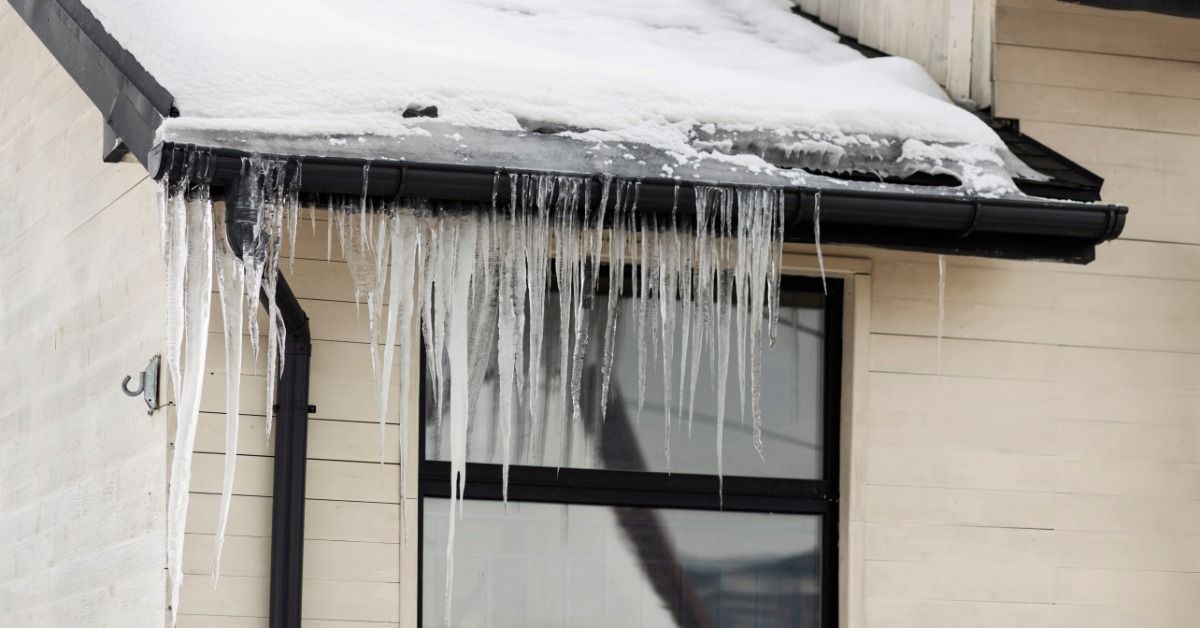
Ice on a roof can form when warm air escapes into the attic, melts snow above it, and then the water refreezes near colder roof edges. Ice formation is one of the most common roofing problems in areas with heavy snow and freezing temperatures. Homeowners should prevent repeated ice buildup because it can strain gutters, loosen shingles, damage roof edges, and allow water under roofing materials.
These steps reduce pressure on roofs in the winter:
- Keep gutters clear before freezing weather arrives.
- Seal attic air leaks.
- Maintain balanced attic ventilation.
- Add insulation where the home needs it.
Trim Nearby Branches
Trees add shade, privacy, and curb appeal, but branches that touch the roof create extra wear. They can scrape shingles, drop debris into gutters, and give moss or algae more shade to spread. Additionally, falling limbs may damage shingles and gutters during storms.
Keep branches trimmed back so they don’t rub against the roof surface. This simple step also lets sunlight and airflow reach the shingles, which helps the roof dry after rain.
Schedule Roof Inspections
Schedule a roof inspection about once a year, especially if your roof is older or has been exposed to harsh weather. Different roofing materials have different expected lifespans, and the closer your roof gets to the end of its range, the more important regular inspections become.
You should also call after strong winds, hail, heavy snow, or a leak, since those events can loosen materials or reveal weak spots. A reliable home improvement contractor will inspect problem areas and recommend repairs.
Regular maintenance habits keep your roof in great condition for longer. Check visible areas, keep gutters clear, and respond quickly to leaks to protect your home. Small steps now can help you avoid larger repair needs later. If you notice signs of wear or damage, or if it’s time for a roof inspection, contact Leon Construction.