Open-Cell vs. Closed-Cell Spray Foam: What’s the Difference?
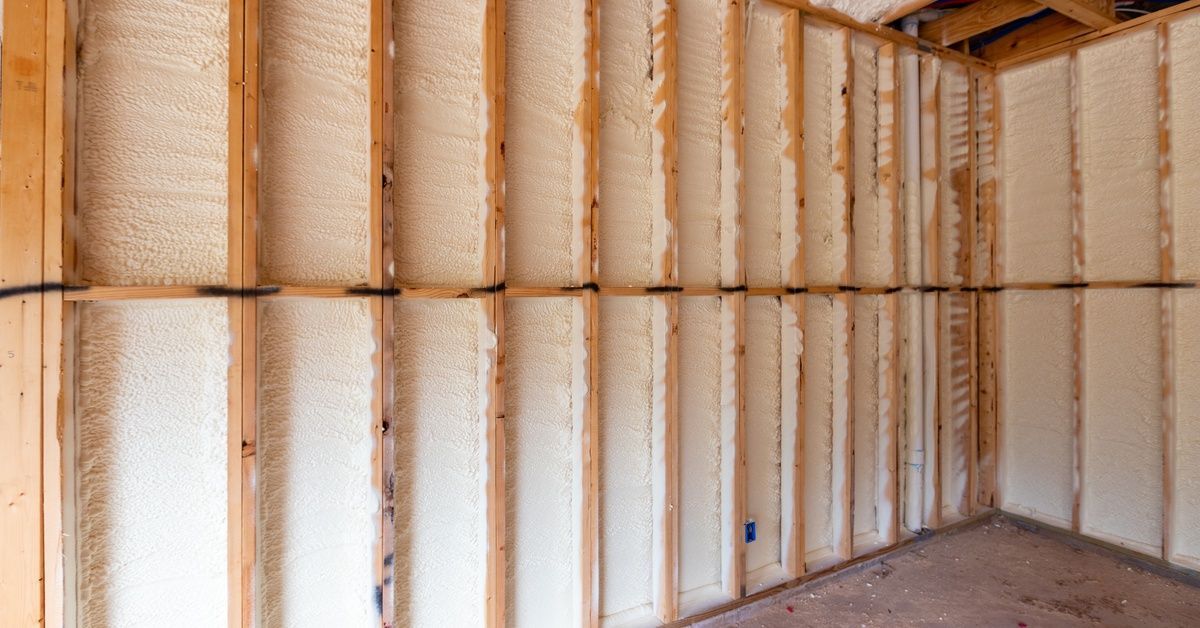
Insulation isn’t the flashiest home upgrade, but it affects how your home feels every day. The right material makes rooms less drafty and reduces temperature swings. If you have a problem area that always feels too cold, too warm, or too drafty, better insulation may help. Before choosing between open-cell and closed-cell spray foam, compare how each option is likely to perform. Their different structures affect how much they expand, how tightly they seal, how they handle moisture, and where they work best in the home.
Density and Structure
The “cells” in spray foam refer to the small pockets inside the material. Open cells connect to one another, while closed cells stay sealed off. The cells affect how the foam handles heat, air, moisture, and pressure.
Open-cell spray foam has a lighter, softer structure because its tiny cells remain open after installation. Those open cells allow the material to expand widely, which helps it fill wall cavities, attic spaces, and other irregular areas. Additionally, the foam feels spongier after it cures.
Closed-cell spray foam has a denser structure because its cells stay sealed and packed closely together. That tighter structure gives the material a firmer feel and a higher weight per cubic foot. Therefore, it creates a more rigid layer once it cures.
Insulation Value
R-value measures how well insulation resists heat movement. Closed-cell spray foam usually has a higher R-value per inch than open-cell foam. That means it can provide stronger insulation in areas where there isn’t much room to add material, such as in narrow wall cavities or rim joist areas.
Open-cell foam has a lower R-value per inch, so it may need more depth to reach the same insulation level. It can still work well in open wall cavities, attic areas, and other spaces with enough room for a thicker application. The better choice depends on how much space is available and what part of the home needs insulation.
The Benefits of Air Sealing
While insulation slows heat transfer, air sealing helps stop unwanted airflow through small openings. Both types of spray foam seal air leaks because they expand after application and bond to the surrounding surfaces. That air sealing reduces drafts around framing gaps, attic transitions, and wall cavities.
Moisture Resistance
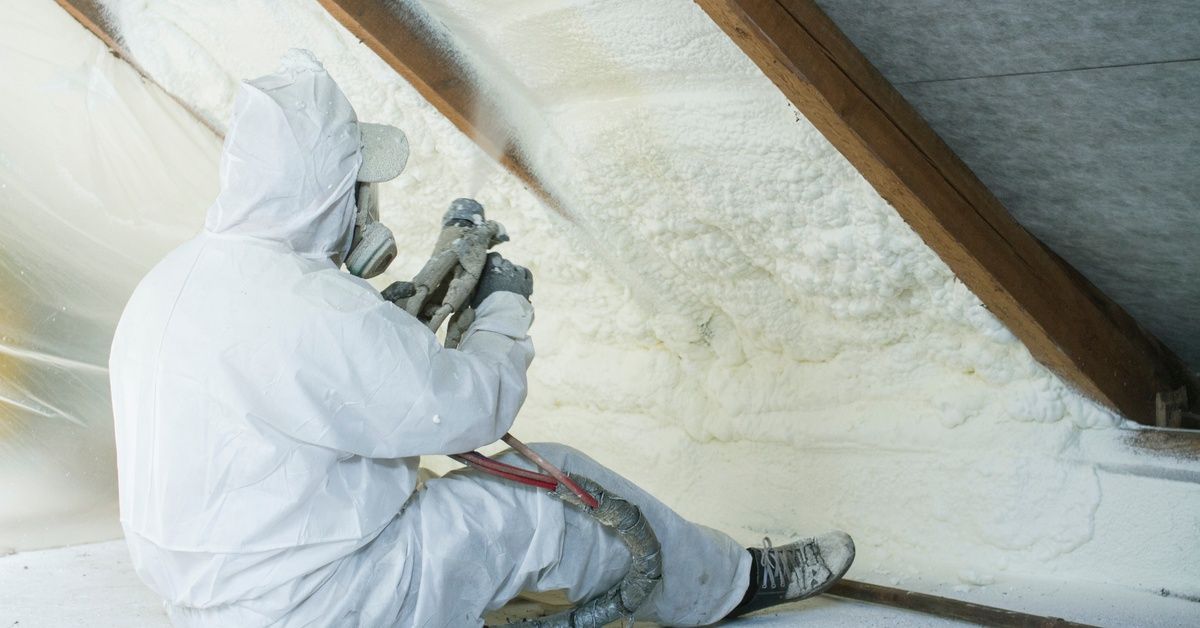
Moisture resistance is one of the biggest differences between open-cell and closed-cell spray foam. Open-cell foam allows more vapor movement, so it doesn’t create the same moisture-resistant layer as closed-cell foam. On the contrary, closed-cell foam doesn’t allow vapor to pass easily, making it a better fit when moisture control is a primary concern.
Open-cell foam may work well in certain interior spaces where the assembly allows drying and moisture exposure stays limited. Closed-cell foam may be a better choice around rim joists and in basements because those areas tend to experience more moisture. Before choosing either one, contractors should look at ventilation, drainage, and any existing moisture issues in the home.
Sound Control
Open-cell foam is usually the stronger choice for sound control because its softer, more open structure absorbs sound inside wall and ceiling cavities. It won’t block every sound, but it can reduce how voices, footsteps, and general household noise carry between rooms.
Closed-cell foam can still help reduce sound transfer, especially by sealing gaps where air and noise can move through. However, its denser and more rigid structure does not absorb sound as well as open-cell foam. If sound control is one of your main goals, open-cell foam is the better spray foam option.
Sound Control Depends on Layers
Insulation plays a role in sound control, but walls and ceilings work as complete systems. Drywall thickness, framing layout, gaps, doors, and floor materials all influence how sound moves. Open-cell foam can help create a quieter space, but it doesn’t turn a room into a recording studio on its own. A good plan considers the entire room rather than relying on a single material to solve every noise issue.
Flexibility After Installation
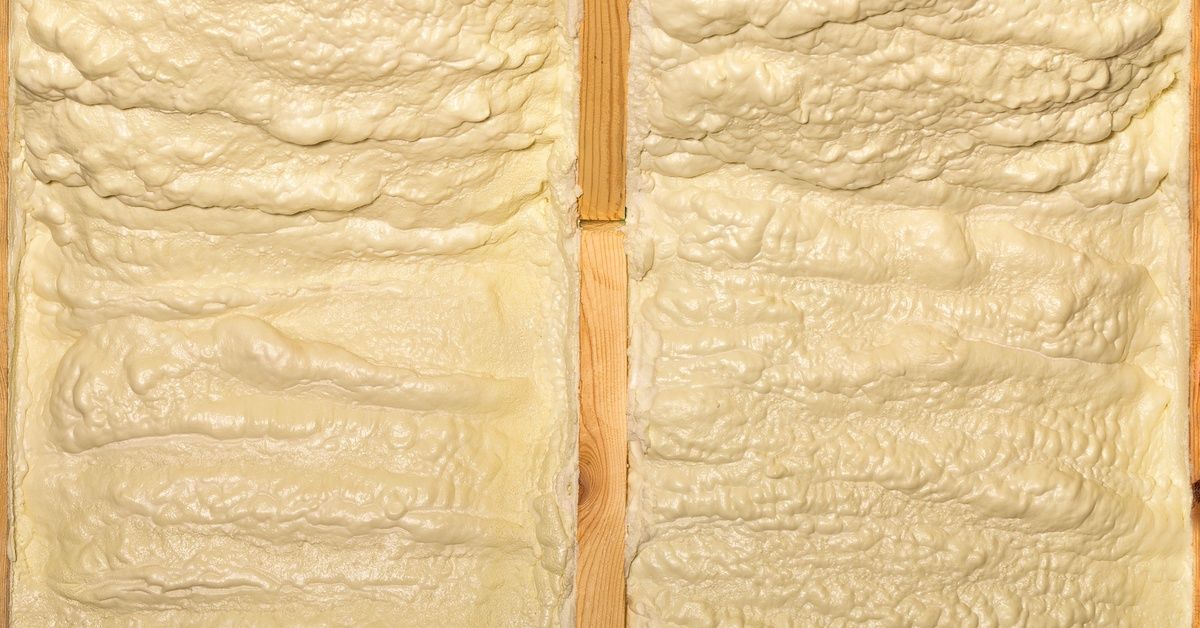
Open-cell foam stays more flexible after it cures. That flexibility helps it move slightly with normal building shifts, which may suit certain interior wall or attic applications. Its soft texture also makes it easier to trim when installers need a flush surface.
Closed-cell foam becomes hard and sturdy after it cures. It can add a bit of firmness where it bonds, but it is not a replacement for real structural repairs. If the wood sheathing or framing is damaged, the damage should be repaired before installing insulation.
Installation Quality
Choosing the material is only one part of getting better performance from spray foam insulation. The installation also affects how well the foam seals gaps, bonds to surfaces, and holds up over time. Leon Construction installs insulation correctly so that the product works as intended.
Cost and Material Use
Open-cell foam usually uses less material by weight because it expands more and has a lower density. That can make it the more budget-friendly option in many interior applications. However, the final cost still depends on project size, access, prep work, thickness, and labor.
Closed-cell foam usually costs more because it uses denser material and delivers a higher R-value per inch. That higher cost may make sense when the space needs moisture resistance, compact insulation depth, or a firmer finished layer.
What Determines the Best Fit?
Every area of a home has different insulation needs, so the best material depends on the space. A professional insulation installer can help you choose the right spray foam.
To find the best fit for each space, the installer will:
- Consider how much space is available for the foam.
- Check how much moisture the area may face.
- Ask whether sound control is one of your main goals.
- Consider how much R-value the space needs.
Open-cell and closed-cell spray foam both improve comfort, but they solve slightly different problems. Open-cell foam is softer, expands more, and works well in many interior areas. Closed-cell foam is denser, more rigid, and better suited for areas that need improved moisture resistance or insulation. Contact Leon Construction for help choosing insulation that fits your home’s needs. Our team will assess your space, clearly explain your options, and install the right product with care.