3 Signs of Critter Damage to Your Roof
August 17, 2020
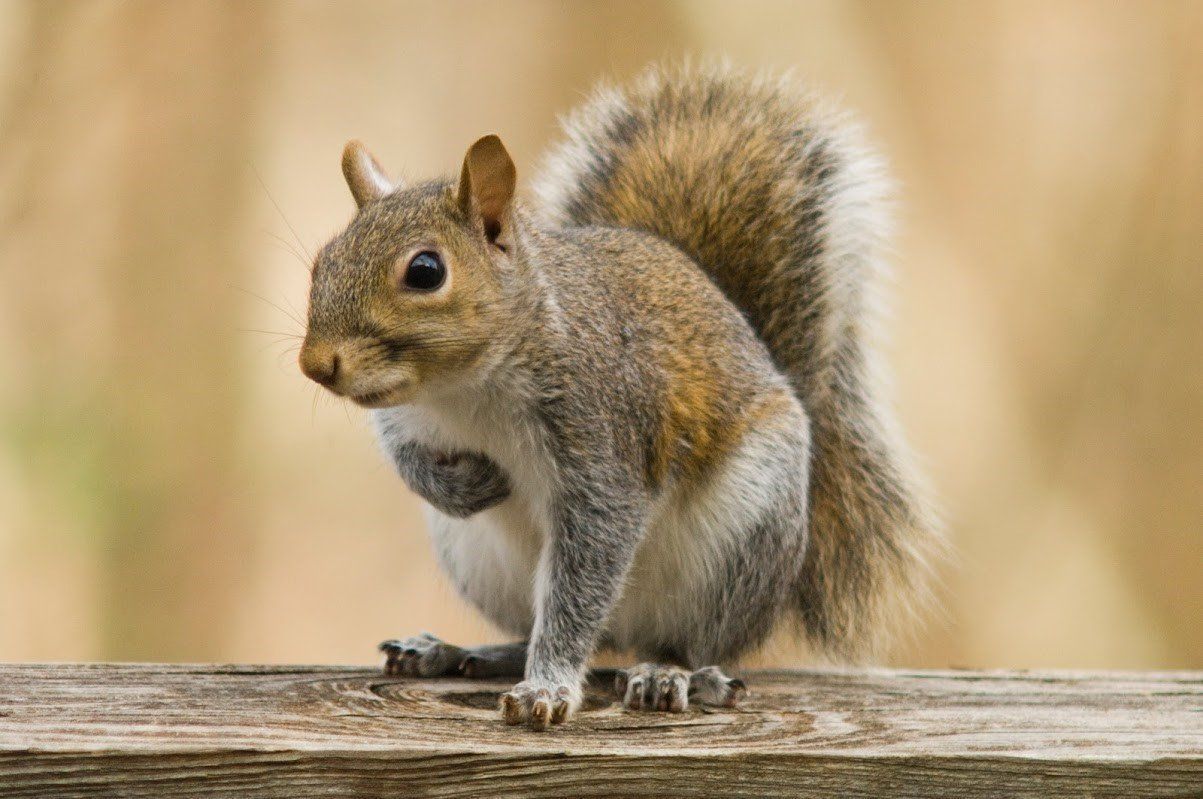
The roof on your home offers protection for your family, but it can also offer protection for squirrels, rodents, and other critters in your area. Pests that take up residence in your roof have the potential
to cause serious structural damage.
Every homeowner should be familiar with the ways pests can damage a residential roofing system. You can use this information to conduct routine inspections and check for visible signs of damage.
The faster you are able to spot signs of critter activity on your roof, the easier it will before your roofing contractor to repair the damage and protect your home against critter-related roof damage in the future.
1. Loose Downspouts
Downspouts play a critical role in your home's roofing system. Excess water on your roof drains into a series of rain gutters that empty into downspouts. These downspouts then drain the water safely away from your home. Many critters have the potential to wreak havoc on the condition of your downspouts.
Raccoons are adept at climbing up and down residential downspouts. But the weight of an adult raccoon can to cause a downspout to break loose from your home's exterior.
Damaged down spouts allow water to pool near the foundation of your home. Downspouts that become bent or crimped by critter activity can cause water to back up into your rain gutters and pond on your roof.
If you see evidence of loose downspouts, have your roofing contractor check to ensure that water accumulation hasn't damaged your home's roof.
2. Bird Droppings
Homeowners don't typically view birds as pests that can cause serious roof damage. Unfortunately, your feathered friends can take a toll on the integrity of your roofing system. Birds who build nests inside gutters or roof vents can disrupt the flow of water and air around your roof. These disruptions can lead to structural damage that can be costly to repair.
Bird droppings also pose a problem for your roof. Bird poop tends to be highly acidic. Droppings can eat away at the tar-based materials used to construct your roof. The life span of your roof will be shortened, and the performance of your roof will be compromised if bird droppings accumulate on your shingles.
An experienced roofing contractor can inspect all shingles for damage and replace any shingles damaged or eaten away by bird droppings. You can also trim back any trees near your roof to minimize the amount of bird poop landing on your roof each day.
3. Damaged Flashing
Metal flashing can be found around any vents, pipes, or chimneys that extend through your roof. This metal flashing provides an added layer of protection against moisture in these vulnerable areas. Damaged flashing can spell big trouble when it comes to the integrity of your roof.
Critters that want to seek shelter in your home will look fora way to get through your roof and into your attic. If no easy path exists, one will be created. Squirrels and the like can gnaw on flashing to create an entry point into your home. You should routinely inspect your roof or damaged or missing flashing.
A roofing contractor will replace compromised flashing to minimize the damage critters have on your home's roof.
Animals of all kinds can cause roof damage. Whether you have raccoons, birds, squirrels, or mice, these critters can compromise the performance and efficiency of your roof.
Contact Leon Construction Inc. to repair critter damage and reinforce your residential roof to keep critters from causing additional damage in the future. We have experience with all types of roof repair and can fix your roof.
Minor roof damage can lead to leaks, decking damage, and other issues. See how addressing small problems can save time and money and help your roof last longer.

Roof problems can look different depending on the material and where damage develops. Learn which signs mean it's time for a replacement rather than a repair.

If your home feels cramped, cluttered, or harder to share, it might be time for a remodel. These ideas can make your space work better for the whole family.

Gutter repairs can work well, but not in every situation. See when replacement may be the better choice based on age, damage, performance, and cost.
Home improvement projects involve many moving parts and careful coordination. See how a contractor can manage the details and keep each phase organized.

Poor insulation can affect comfort, energy use, and moisture levels throughout your home. Know what to watch for and when to call a professional.
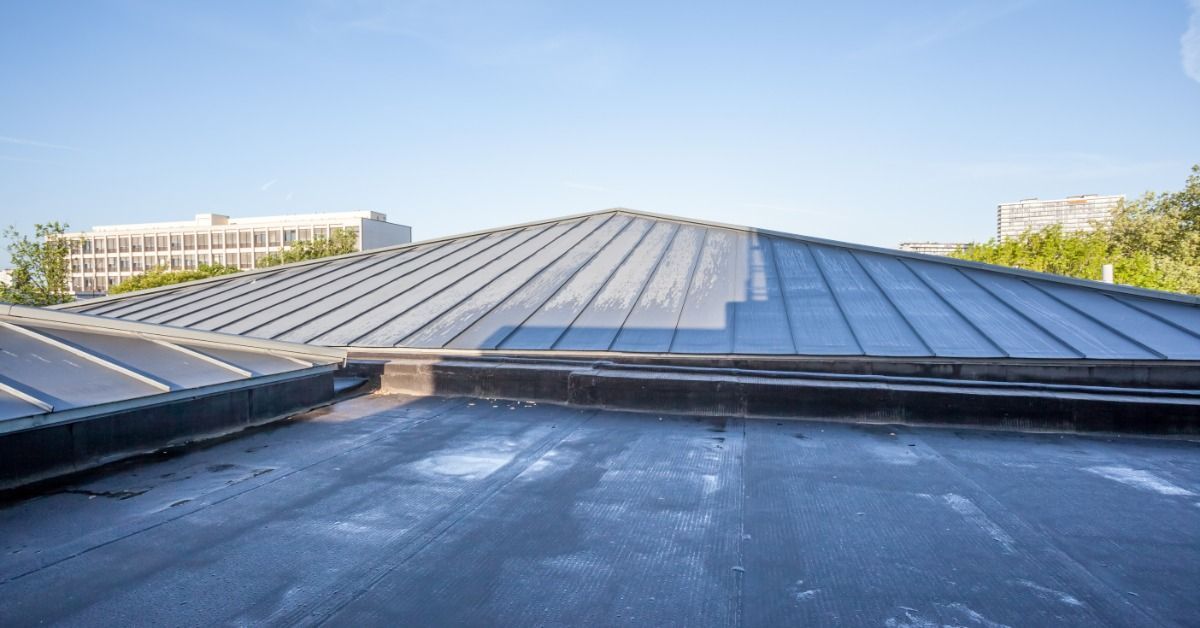
Missing materials, water stains, ponding, and surface wear can all point to roof damage. See what to look for on residential and commercial roofs.
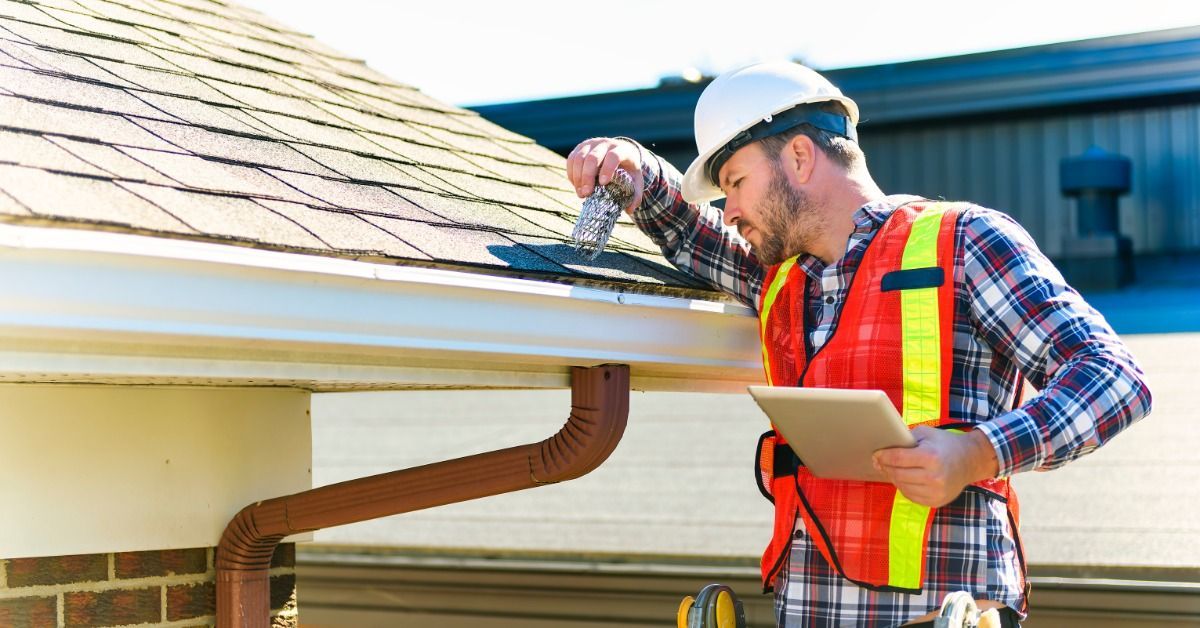
A roof inspection can uncover concerns that are easy to miss from the ground. See how the roof is evaluated and what happens after the report.

Aging in place means adapting your home so it works better through every stage of life. These practical renovation ideas support safer, easier daily living.
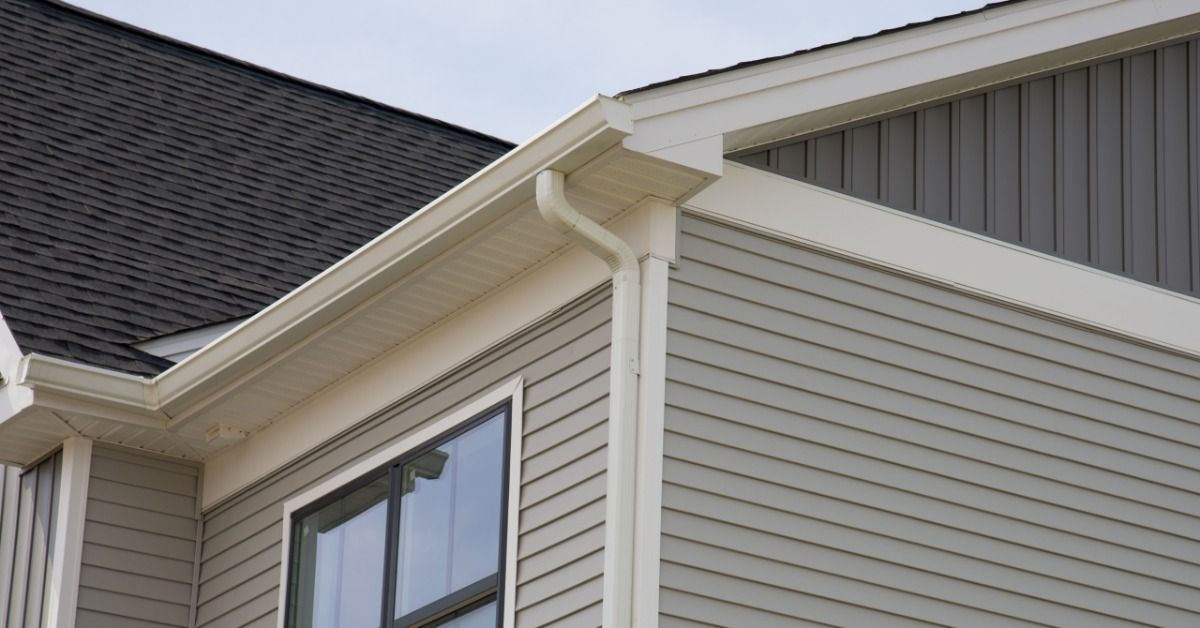
A good gutter system doesnt get much attention until rain starts spilling from the roofline or pooling near the foundation. If youre choosing gutters for your home, it helps to compare shapes, sizes, materials, and maintenance needs before you commit. The right setup should move water away from the building without making upkeep feel like a constant chore. A few simple comparisons can help you avoid choosing something that looks fine at first but doesnt direct water where it needs to go. Match Your Roofline Your roofline affects how much water your gutters need to carry and where the downspouts should go. A simple roof with long, straight edges may need a different setup than a roof with several valleys, dormers, or steep slopes. Roof pitch also plays a role because steeper roofs move water faster during heavy rain. Wider gutter runs, extra downspouts, or larger gutter sizes may help manage that flow. A contractor can review the roof layout and recommend a setup that keeps water moving rather than backing up. Why Roof Valleys Need Attention Roof valleys collect water from two roof planes, so they usually send a heavier stream into one area of the gutter system. That extra flow can overwhelm a small gutter or poorly placed downspout during a storm. Splash guards may help in some spots, especially where water runs off the roof quickly. Additionally, a contractor may suggest changing the downspout placement to help the system handle runoff more smoothly. Compare Gutter Materials