
How Can a Roofing Company Reduce Your Energy Consumption?
March 21, 2020
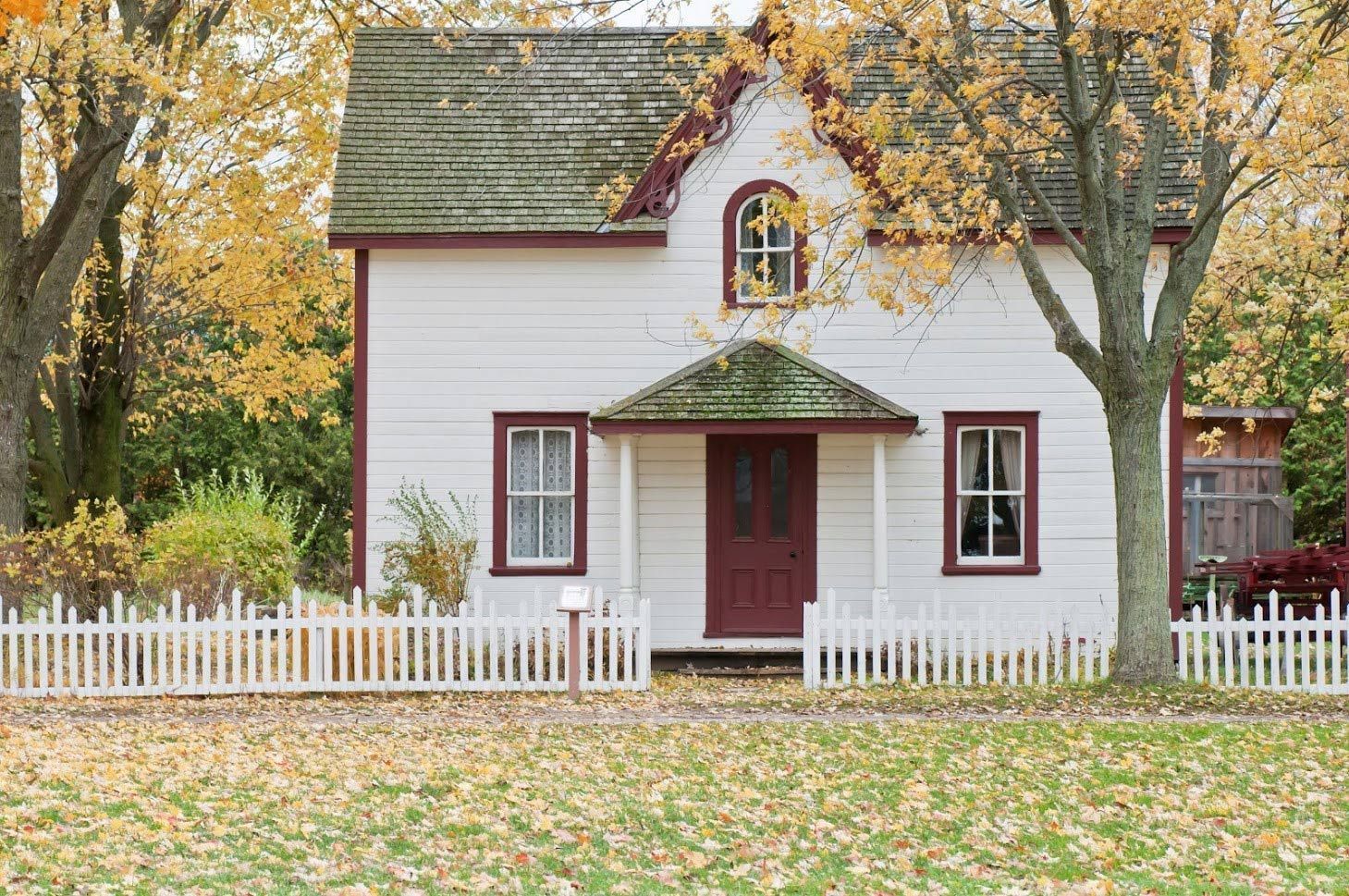
If your energy bills keep rising, and you have been neglecting your roof, the two may be related. Especially in the colder months, a bad roof can allow heated air inside the house to float up and out, causing you to turn up the heat. If you are sick of high energy bills, check out how a new roof may help save you money.
Roofers Can Fix Holes and Gaps
One reason your roof raises your energy bills is because of gaps. Small holes and gaps in the roof provide no protection against heat loss/heat gain. Therefore, during the summer, heated air leaks inside the cooled house, and in the winter, heated air inside the house escapes via these holes. These holes and gaps can appear anywhere in your home, but they are particularly problematic when on the roof.
One reason your roof raises your energy bills is because of gaps. Small holes and gaps in the roof provide no protection against heat loss/heat gain. Therefore, during the summer, heated air leaks inside the cooled house, and in the winter, heated air inside the house escapes via these holes. These holes and gaps can appear anywhere in your home, but they are particularly problematic when on the roof.
The same factors that cause leaks can cause energy loss. This includes damaged shingles and the age of the roof, but a lot of holes and gaps appear around chimneys, skylights and vents. These areas require a literal hole in the roof. The hole is filled with the chimney/skylight/vent, and flashing is used to fully seal any gaps between the roof and chimney/skylight/vent.
When this flashing becomes worn or damaged, however, it no longer fully seals those gaps, allowing air to sneak into or out of the home. Any skilled roofer can easily fix damaged shingles and flashing to boost the insulating properties of the roof.
When this flashing becomes worn or damaged, however, it no longer fully seals those gaps, allowing air to sneak into or out of the home. Any skilled roofer can easily fix damaged shingles and flashing to boost the insulating properties of the roof.
They Use Energy-Efficient Materials
As technology advancements allow humans to create more and more energy-efficient materials, getting a new roof can help reduce energy consumption naturally. For example, asphalt shingles are great in any climate, but in a cold climate, darker colors are better to absorb as much natural heat as possible. On the other hand, in a hot climate, light colored shingles better reflect the sun to keep the house naturally cooler.
Metal roofs are another highly energy-efficient material, and you can choose colors to better reflect or absorb the heat too. In most cases, however, metal roofs are ideal for keeping cooling costs down because of how well the metal reflects the sun.
As technology advancements allow humans to create more and more energy-efficient materials, getting a new roof can help reduce energy consumption naturally. For example, asphalt shingles are great in any climate, but in a cold climate, darker colors are better to absorb as much natural heat as possible. On the other hand, in a hot climate, light colored shingles better reflect the sun to keep the house naturally cooler.
Metal roofs are another highly energy-efficient material, and you can choose colors to better reflect or absorb the heat too. In most cases, however, metal roofs are ideal for keeping cooling costs down because of how well the metal reflects the sun.
They'll Inspect Your Attic
When you think of your roof, you may forget about one important aspect: the underside of the roof or the attic. You can have the most energy-efficient roofing material made, but if your attic is poorly insulated, you are just wasting energy.
The attic needs the most insulation because of its location. Ideally, you shouldn't even be able to see the rafters because the insulation should rise above them. Plus, you need to ensure you have the right R-Value for your region. The R-Value measures the amount of insulation in any given material.
When you think of your roof, you may forget about one important aspect: the underside of the roof or the attic. You can have the most energy-efficient roofing material made, but if your attic is poorly insulated, you are just wasting energy.
The attic needs the most insulation because of its location. Ideally, you shouldn't even be able to see the rafters because the insulation should rise above them. Plus, you need to ensure you have the right R-Value for your region. The R-Value measures the amount of insulation in any given material.
In Pennsylvania, your attic roof insulation should have an R-Value of between R-38 and R-60. Luckily, increasing the R-Value is as easy as just adding more insulation to the old insulation. A skilled roofer can take a peek inside the attic and easily determine if you need more insulation.
Common types of attic insulation include fiberglass batts and loose fill fiberglass. Loose fill fiberglass is easier to use if the attic is finished, and you need to add insulation behind walls and ceilings. Other types of insulation include cellulose, mineral wool and spray foam insulation.
Common types of attic insulation include fiberglass batts and loose fill fiberglass. Loose fill fiberglass is easier to use if the attic is finished, and you need to add insulation behind walls and ceilings. Other types of insulation include cellulose, mineral wool and spray foam insulation.
With a well-maintained roof, you can actually reduce how much you spend each month on heating and cooling, making it a great investment for future savings. If you would like to know more about the benefits of getting a new roof, or if you are ready to request a quote, contact us at Leon Construction today.
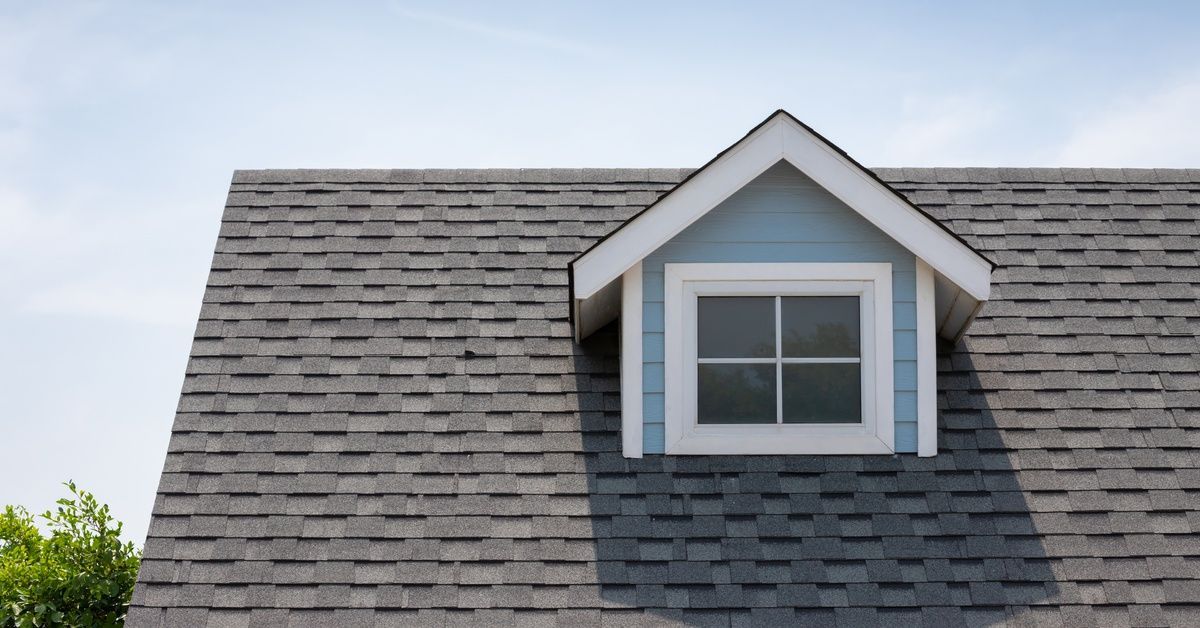
Minor roof damage can lead to leaks, decking damage, and other issues. See how addressing small problems can save time and money and help your roof last longer.
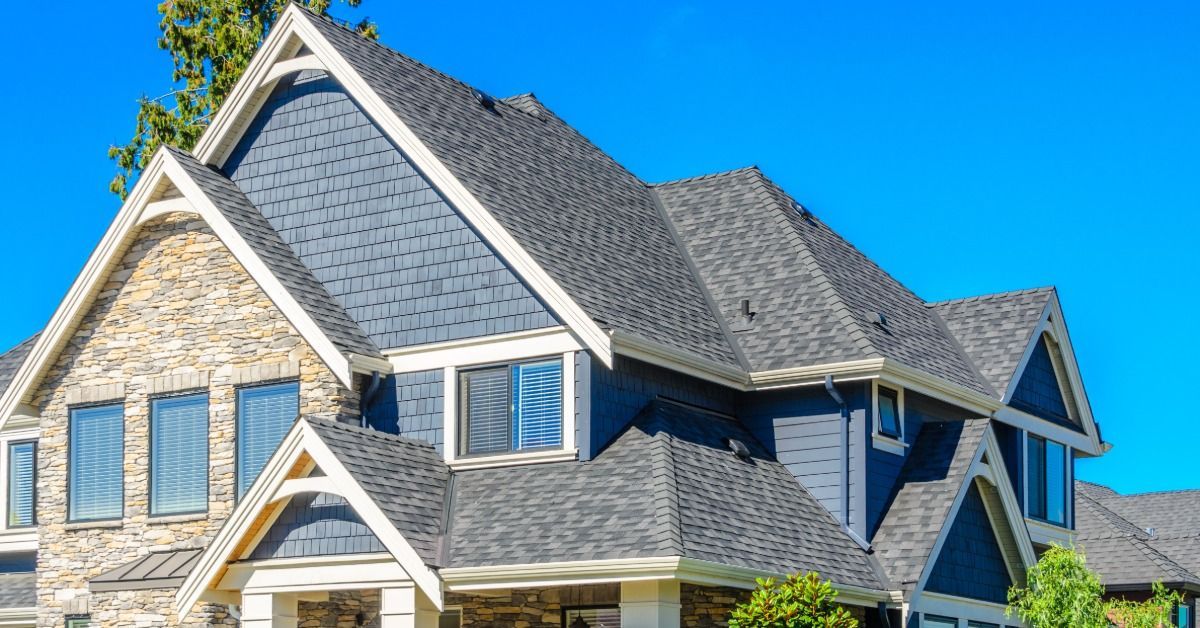
Roof problems can look different depending on the material and where damage develops. Learn which signs mean it's time for a replacement rather than a repair.

If your home feels cramped, cluttered, or harder to share, it might be time for a remodel. These ideas can make your space work better for the whole family.

Gutter repairs can work well, but not in every situation. See when replacement may be the better choice based on age, damage, performance, and cost.

Home improvement projects involve many moving parts and careful coordination. See how a contractor can manage the details and keep each phase organized.

Poor insulation can affect comfort, energy use, and moisture levels throughout your home. Know what to watch for and when to call a professional.
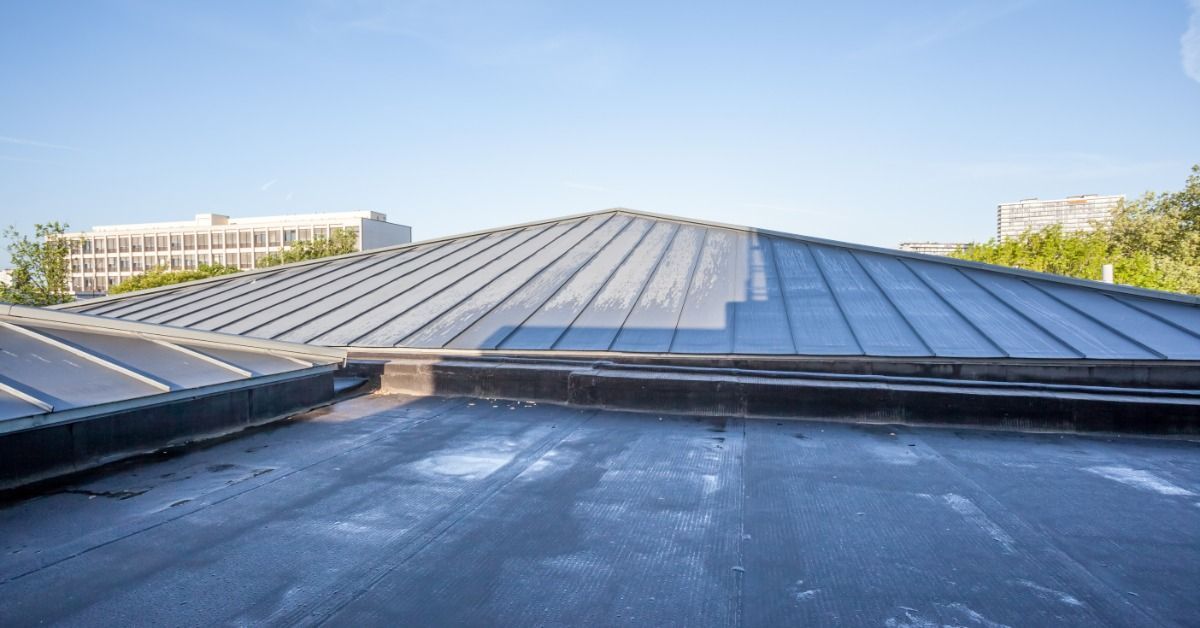
Missing materials, water stains, ponding, and surface wear can all point to roof damage. See what to look for on residential and commercial roofs.
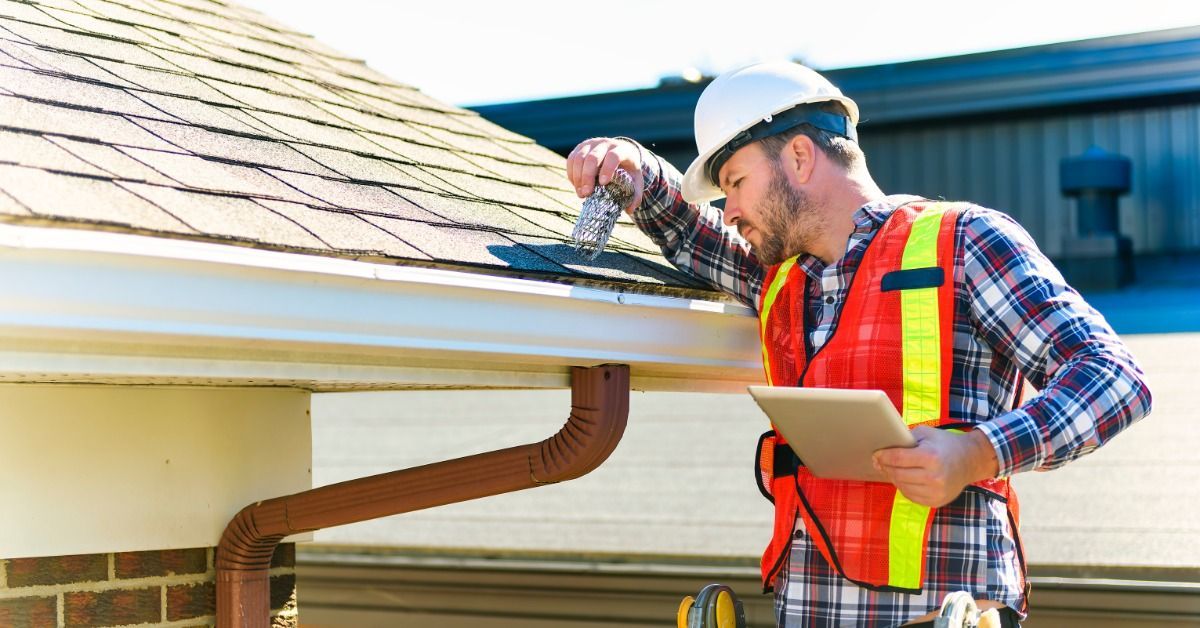
A roof inspection can uncover concerns that are easy to miss from the ground. See how the roof is evaluated and what happens after the report.

Aging in place means adapting your home so it works better through every stage of life. These practical renovation ideas support safer, easier daily living.
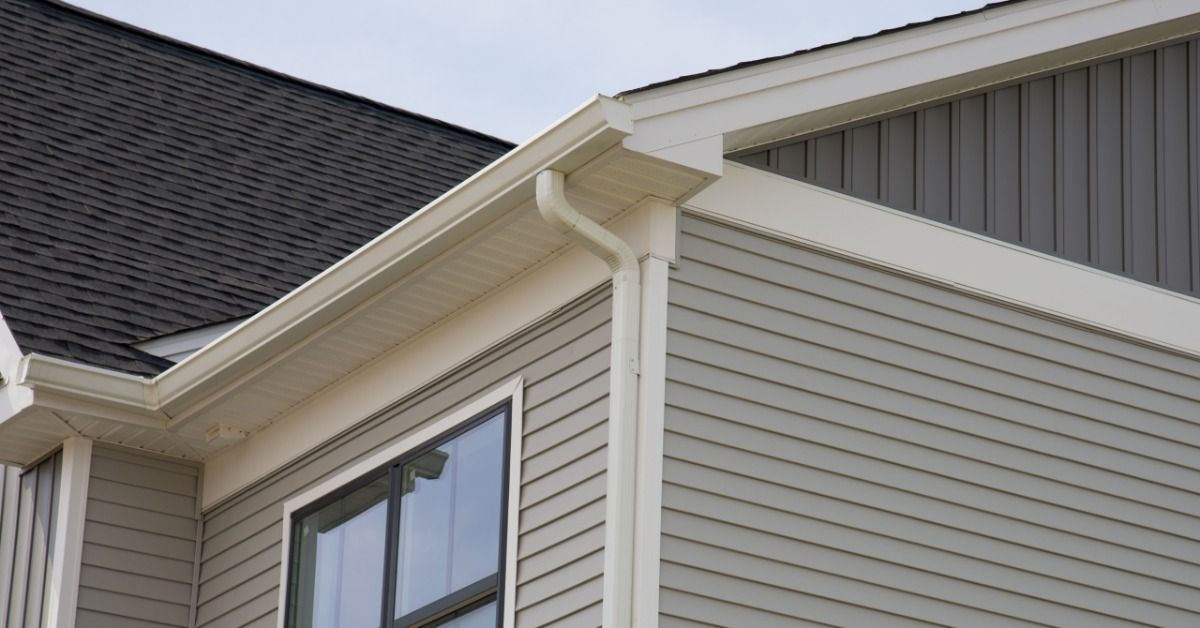
A good gutter system doesnt get much attention until rain starts spilling from the roofline or pooling near the foundation. If youre choosing gutters for your home, it helps to compare shapes, sizes, materials, and maintenance needs before you commit. The right setup should move water away from the building without making upkeep feel like a constant chore. A few simple comparisons can help you avoid choosing something that looks fine at first but doesnt direct water where it needs to go. Match Your Roofline Your roofline affects how much water your gutters need to carry and where the downspouts should go. A simple roof with long, straight edges may need a different setup than a roof with several valleys, dormers, or steep slopes. Roof pitch also plays a role because steeper roofs move water faster during heavy rain. Wider gutter runs, extra downspouts, or larger gutter sizes may help manage that flow. A contractor can review the roof layout and recommend a setup that keeps water moving rather than backing up. Why Roof Valleys Need Attention Roof valleys collect water from two roof planes, so they usually send a heavier stream into one area of the gutter system. That extra flow can overwhelm a small gutter or poorly placed downspout during a storm. Splash guards may help in some spots, especially where water runs off the roof quickly. Additionally, a contractor may suggest changing the downspout placement to help the system handle runoff more smoothly. Compare Gutter Materials