How To Choose the Right Type of Gutters for Your Home
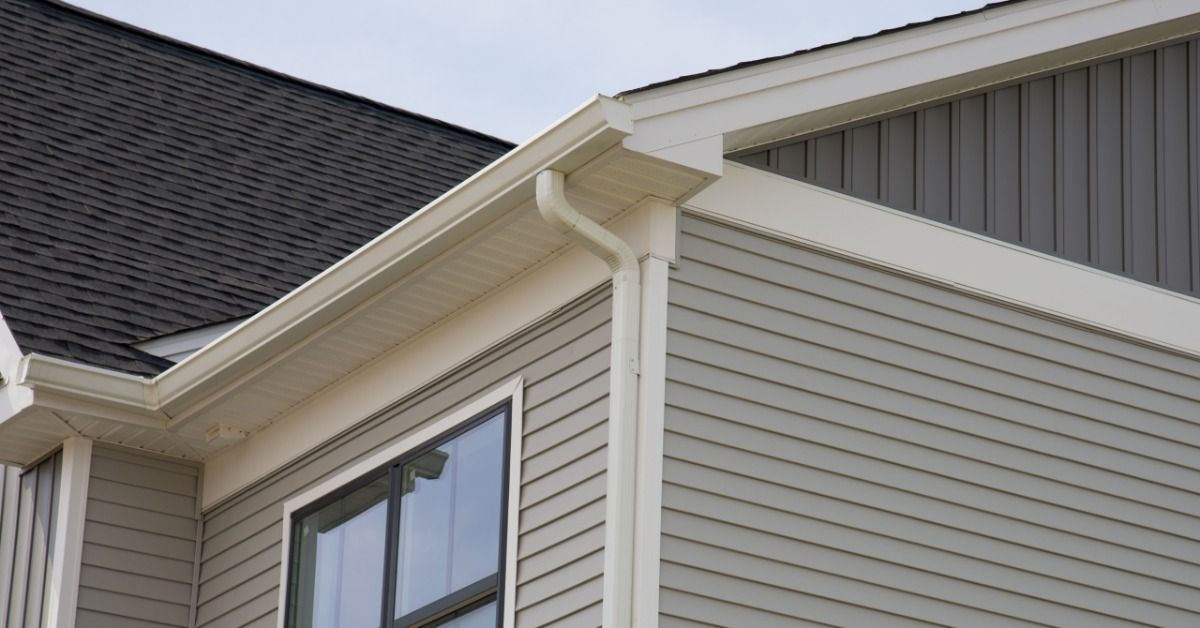
A good gutter system doesnt get much attention until rain starts spilling from the roofline or pooling near the foundation. If youre choosing gutters for your home, it helps to compare shapes, sizes, materials, and maintenance needs before you commit. The right setup should move water away from the building without making upkeep feel like a constant chore. A few simple comparisons can help you avoid choosing something that looks fine at first but doesnt direct water where it needs to go.
Match Your Roofline
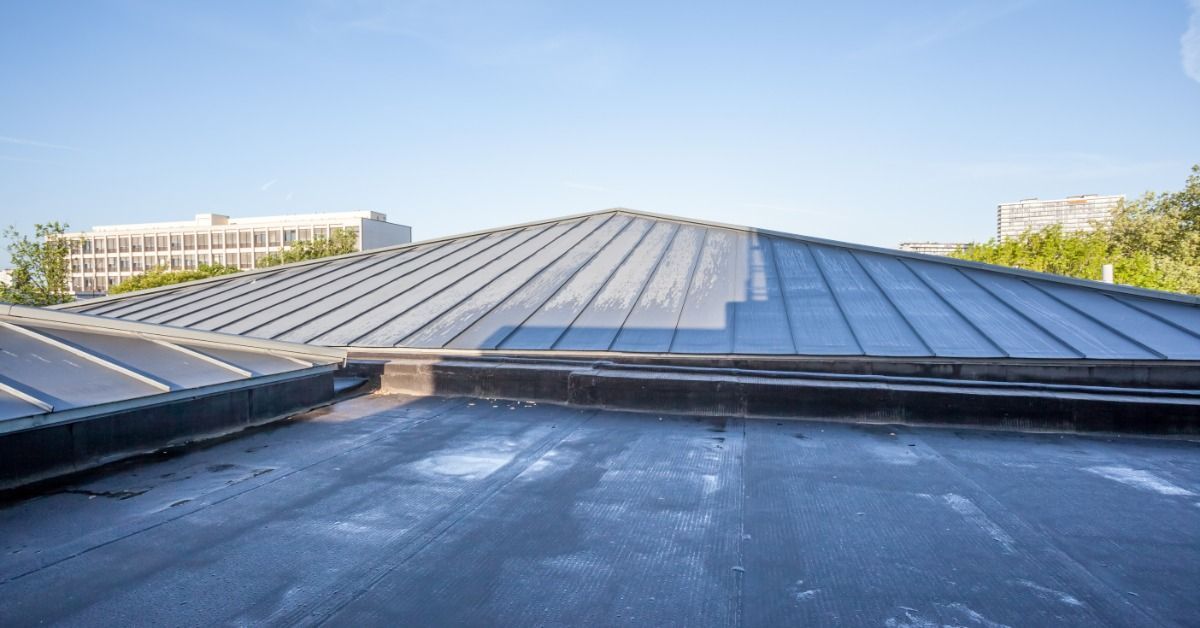
Your roofline affects how much water your gutters need to carry and where the downspouts should go. A simple roof with long, straight edges may need a different setup than a roof with several valleys, dormers, or steep slopes.
Roof pitch also plays a role because steeper roofs move water faster during heavy rain. Wider gutter runs, extra downspouts, or larger gutter sizes may help manage that flow. A contractor can review the roof layout and recommend a setup that keeps water moving rather than backing up.
Why Roof Valleys Need Attention
Roof valleys collect water from two roof planes, so they usually send a heavier stream into one area of the gutter system. That extra flow can overwhelm a small gutter or poorly placed downspout during a storm. Splash guards may help in some spots, especially where water runs off the roof quickly. Additionally, a contractor may suggest changing the downspout placement to help the system handle runoff more smoothly.
Compare Gutter Materials
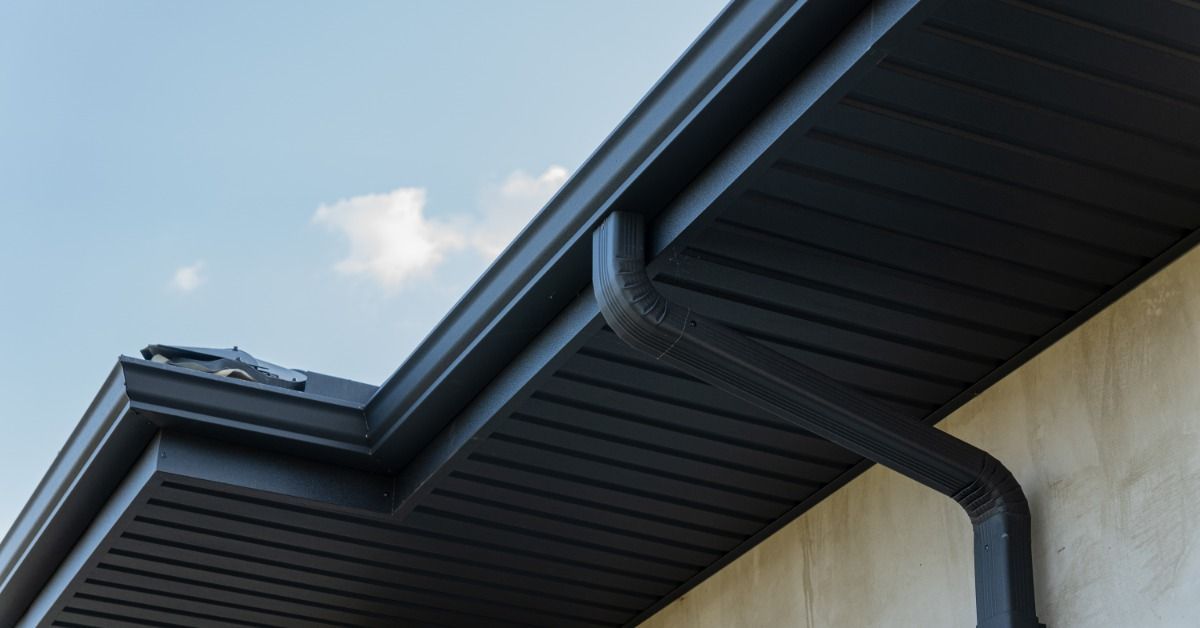
Material choice affects the look, cost, weight, and maintenance needs of your gutter system. Aluminum, steel, copper, and vinyl gutters each have distinct strengths and trade-offs.
Here is a simple comparison of common gutter materials:
- Aluminum gutters are lightweight, rust-resistant, and practical for many homes.
- Steel gutters offer strength, but they may need rust checks and touch-ups if the finish wears down.
- Copper gutters add a distinctive look and develop a natural patina over time.
- Vinyl gutters are lightweight and budget-friendly, though cold weather may make them more brittle.
- Zinc gutters create a long-lasting, higher-end look with a natural weathered finish.
Aluminum Fits Many Homes
Aluminum works well for many homeowners because it handles moisture without rusting. It also comes in a wide range of colors, which makes it easier to match siding, trim, or roofing. Since its lighter than some other metals, installers can shape and place it with less strain on the homes fascia. Additionally, seamless aluminum gutters may reduce the number of joints where leaks might develop later.
Think About Local Weather
The weather should shape your gutter decision because rain, snow, ice, and wind all put stress on the system. In areas prone to strong storms, gutters need sufficient capacity to move water quickly without overflowing. In snowy climates, the system also needs a sturdy installation so snow and ice buildup dont pull it loose.
Erie-area homes may deal with wet seasons, lake-effect snow, freezing temperatures, and thaw cycles. Because of that, thin or poorly supported gutters may create problems faster than expected. If you need gutter replacement services, Leon Construction can help you choose a system that fits our local weather conditions. Then, our team will install it correctly, so your gutters work correctly and last a long time.
Pick a Gutter Style
Gutter style affects both curb appeal and water capacity. K-style gutters have a flat back and a decorative front edge, so they pair well with many modern and traditional homes. Half-round gutters have a rounded shape and a softer look, which may suit older homes or properties with more classic details.
Style also affects how debris moves through the system. Half-round gutters have fewer interior corners, so leaves and small debris may move through them more easily in some setups. Meanwhile, K-style gutters usually hold more water for their size, making them a practical choice for many residential roofs.
Choose a Practical Size
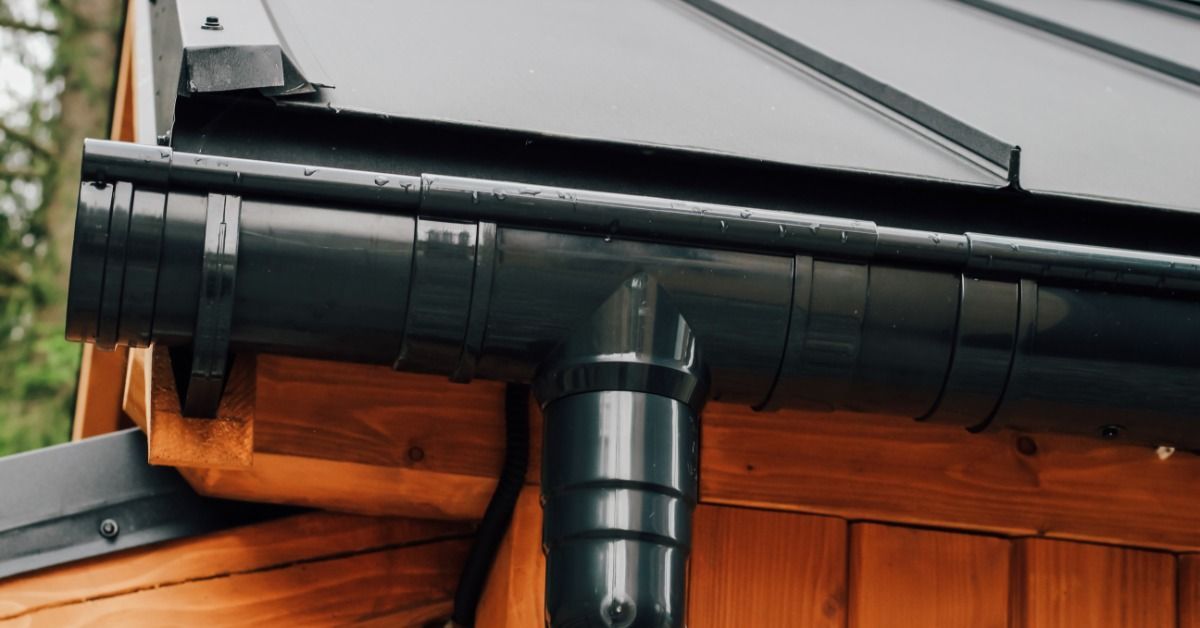
One of the most important factors when choosing gutters for your home is size. Many homes use 5-inch or 6-inch gutters, but the best size depends on roof area, pitch, and local rainfall patterns. A larger gutter may help when the roof sheds water quickly or when long gutter runs collect water from multiple sections.
Downspout size matters too because water needs a clear path out of the gutter. A gutter that holds plenty of water still wont work well if the downspout cant move that water away fast enough. Downspout extensions may help direct water farther from the homes foundation.
Plan for Maintenance
Every gutter system needs some level of care, even when the design fits the home well. Leaves, pine needles, shingle grit, and small branches can collect inside gutters and slow drainage. Regular cleaning helps keep water moving and gives you a chance to address issues as they arise.
- Consider these details when you compare the maintenance needs of different types of gutters:
- Nearby trees may increase cleaning needs during fall and spring.
- Gutter guards may reduce debris buildup, but they still need occasional checks.
- Seamless gutters may have fewer leak-prone joints than sectional systems.
- Larger downspouts may move debris and water more easily.
- Easy access points can make routine cleaning safer and less frustrating.
How a Contractor Helps
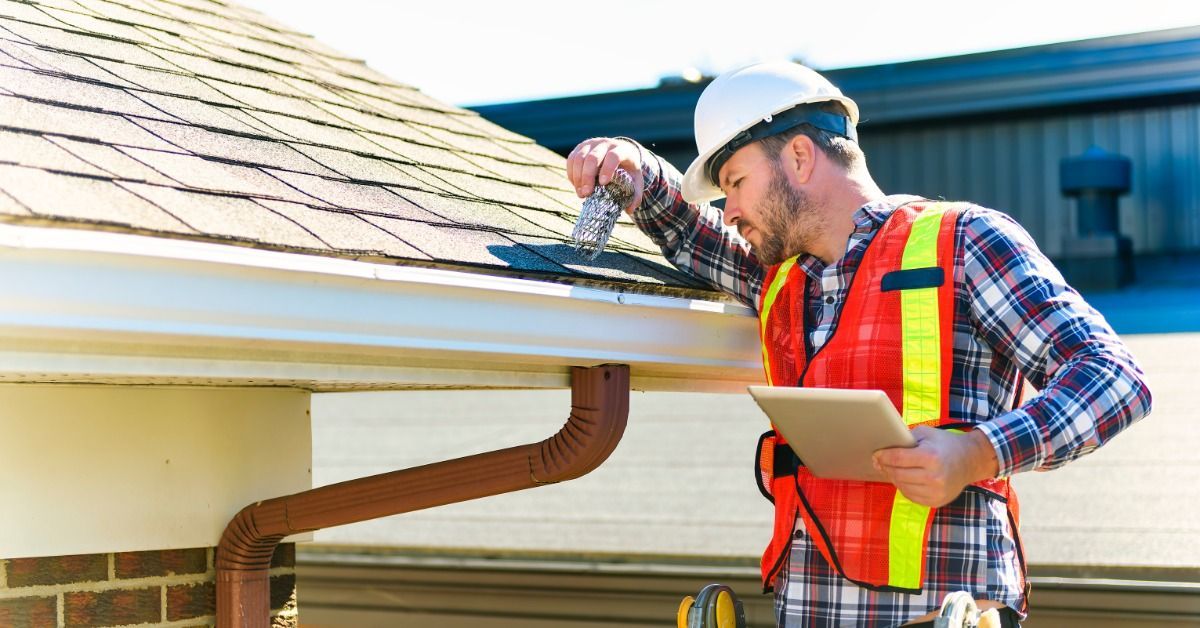
A good contractor should look at the whole water management system, not just the gutter troughs. That includes the roof edges, fascia condition, downspout placement, slope, drainage points, and areas where water currently collects. Considering the bigger picture helps you avoid choosing gutters that look nice but dont handle your homes needs.
Before the project starts, talk through the details that affect how the finished system will work. Ask about materials, seams, hangers, downspout locations, old gutter removal, and any recommendations based on your roofline. That conversation gives you a clearer idea of what youre paying for and why certain choices make sense. It also makes it easier to choose gutters that fit your budget and your day-to-day maintenance habits.
A gutter upgrade is a chance to solve real drainage issues, not just replace an old system. Take time to think about where water goes during storms, how much debris collects near your roof, and what your home needs throughout each season. The right system should make rainy days less stressful and routine maintenance easier to manage. Once everything is sized and installed properly, your gutters can do their job without demanding constant attention.