What To Expect During Your Professional Roof Inspection
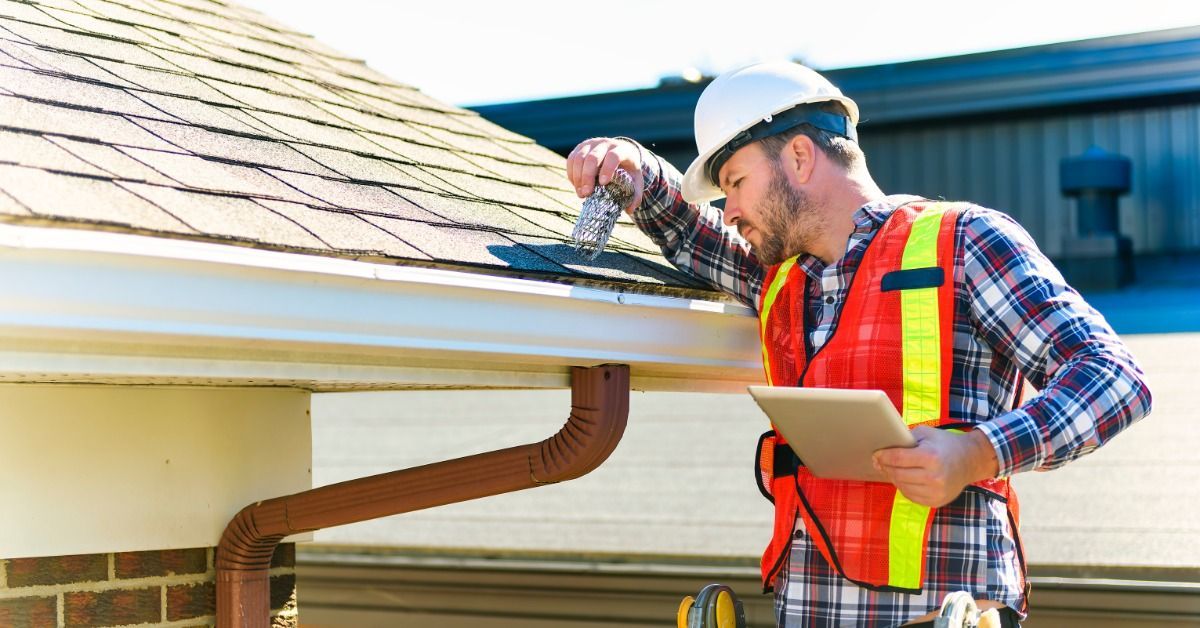
A roof inspection provides a detailed picture of how the entire roofing system is performing. The inspector reviews how materials, drainage, flashing, ventilation, and interior areas are working together. Knowing what to expect during your professional roof inspection can make each step easier to understand. This guide explains what inspectors examine, how they record their findings, and what you can do with the results.
What Happens During the Evaluation
The inspector begins by looking at the roof as a complete system rather than focusing on one isolated feature. They may evaluate exterior materials, drainage components, roof penetrations, and accessible interior areas.
Reviewing Overall Roof Condition
Different roof sections may age at different rates because of sun exposure, weather patterns, nearby trees, or equipment placement. The inspector begins by looking at the roof’s overall shape and condition. The inspector may also look for sagging, uneven surfaces, or other changes in the roofline.
Checking High-Risk Areas
Some parts of a roof are more likely to develop leaks because they contain seams, joints, or openings. These areas often need a closer look during the inspection. The inspector may examine chimneys, vents, skylights, valleys, walls, and rooftop equipment for signs of wear.
They may also check whether the flashing and sealants are secure and properly positioned. A careful review of these areas can reveal concerns that are not visible across the main roof surface.
Comparing Wear Across Sections
A roof does not always age evenly, especially when additions, repairs, or material replacements were completed at different times. The inspector may compare one section with another to see how each area is holding up. Differences in color, texture, damage, or installation can point to previous repairs or sections that may need maintenance sooner.
Preparing for the Appointment
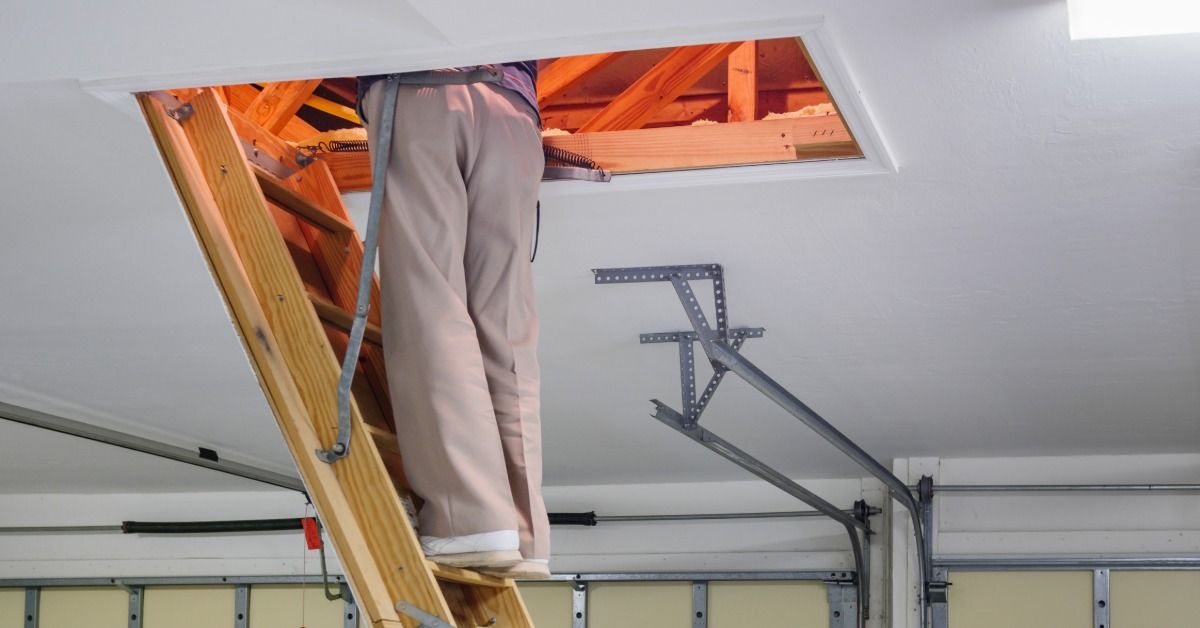
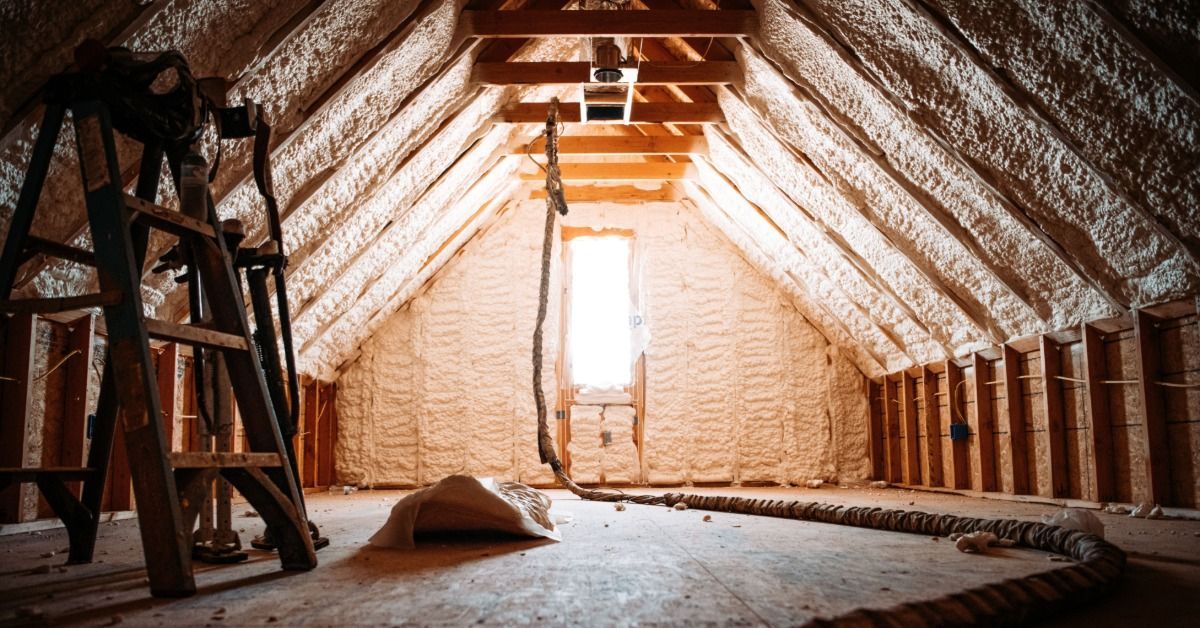
A little preparation can make the visit safer and allow the inspector to reach the areas that need to be reviewed. The professional roof inspection may involve both interior and exterior access, so ask the company what to expect before the appointment. They may need to enter an attic, utility space, or other secured area.
Take these steps to prepare your property for a roof inspection:
- Clear boxes and stored items away from attic access points.
- Unlock exterior gates, utility rooms, and other secure areas they need to access.
- Move vehicles away from the building when requested.
- Keep pets in a separate and secure location.
- Gather records from previous repairs or replacements.
- Write down recent leaks, stains, or drainage concerns.
- Inform the inspector about areas that are difficult to access.
Looking for Interior Warning Signs
Some roof concerns become visible inside a building before the source can be identified from the exterior. Water may travel beneath roofing materials before appearing as a stain, damp spot, or other interior warning sign. Interior findings can provide useful clues about the cause of a leak.
Common interior signs of a possible roof leak include:
- water stains on ceilings or upper walls
- damp, compressed, or discolored insulation
- musty odors in attics or upper floors
- peeling paint or bubbling wall finishes
- mold or mildew near roof openings
- darkened or weakened roof decking
- rust on fasteners or metal components
- poor airflow or excessive attic heat
How Inspectors Assess Roof Performance
A professional inspection considers how well the entire roofing system manages water, heat, airflow, and weather exposure. The inspector looks at the relationship between materials and components to identify conditions that may affect performance over time.
Evaluating Drainage and Flashing
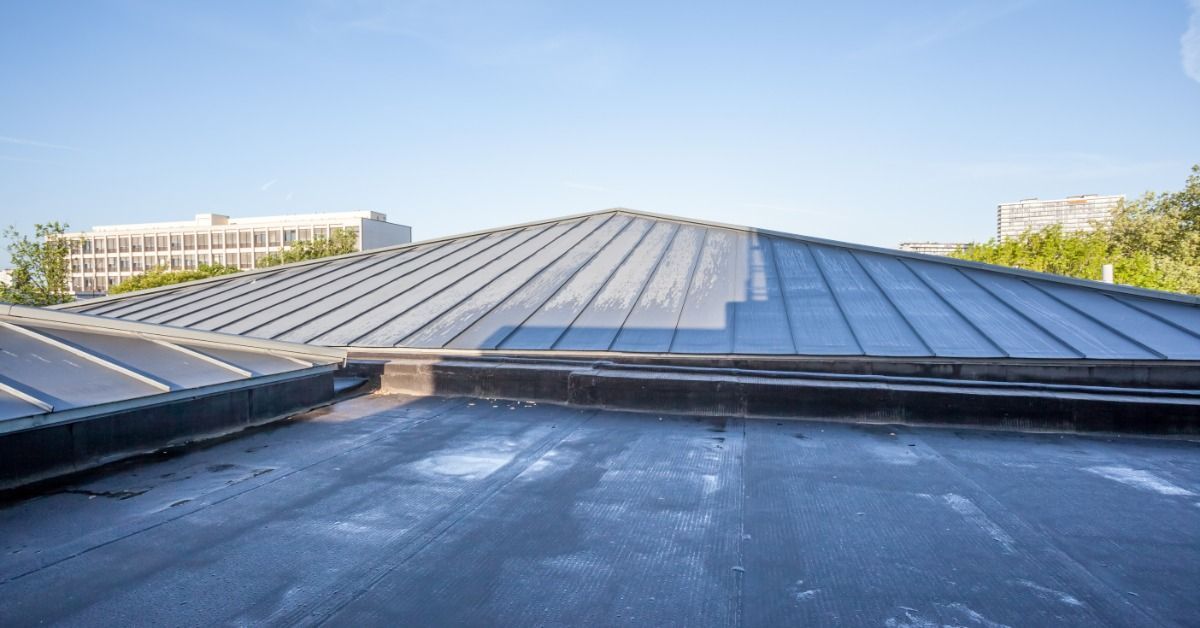
Water should move off the roof without collecting in low areas or flowing toward vulnerable openings. The inspector may check slopes, gutters, internal drains, scuppers, downspouts, and other drainage features for clogs or damage. Problems with drainage or flashing can allow water to collect on the roof or seep beneath the roofing materials.
Checking Ventilation and Moisture
Ventilation regulates temperature and moisture in attics and other enclosed roof spaces. The inspector may examine intake and exhaust vents to determine whether air can move through the space properly. Inadequate ventilation can contribute to condensation, damp insulation, mold, or premature material wear.
Assessing Material Condition
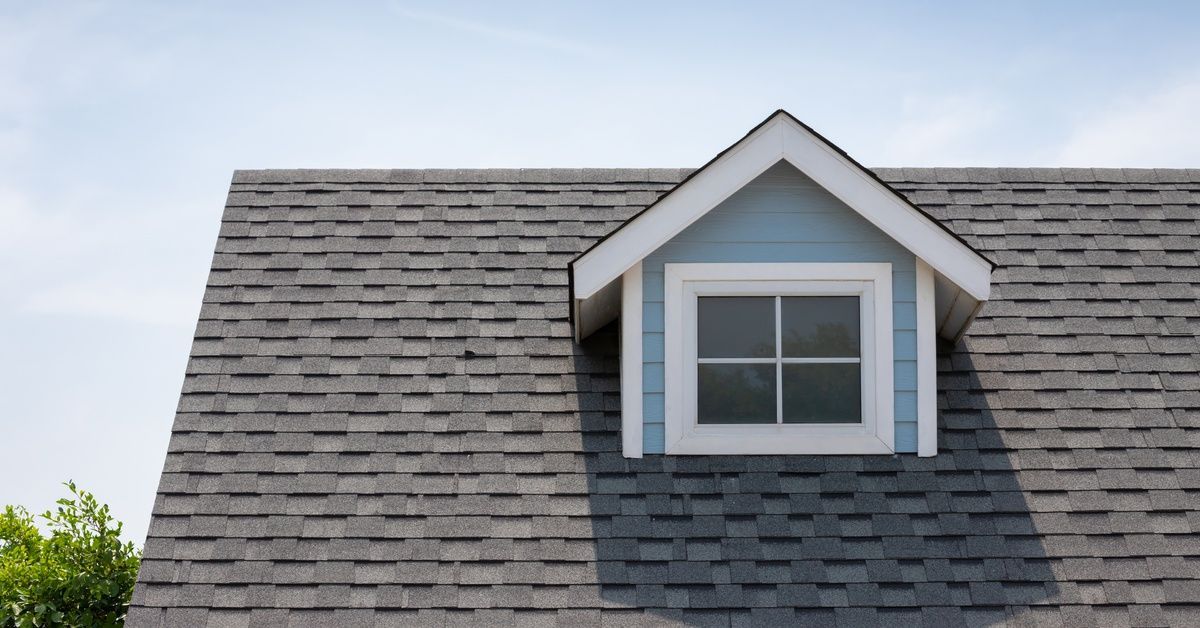
The inspector may look for cracking, curling, corrosion, punctures, open seams, granule loss, or surface deterioration. They may also note whether previous patches appear secure or are beginning to fail. This review gives the property owner a clearer sense of which areas remain functional and which may require work.
Common Problems That May Be Found
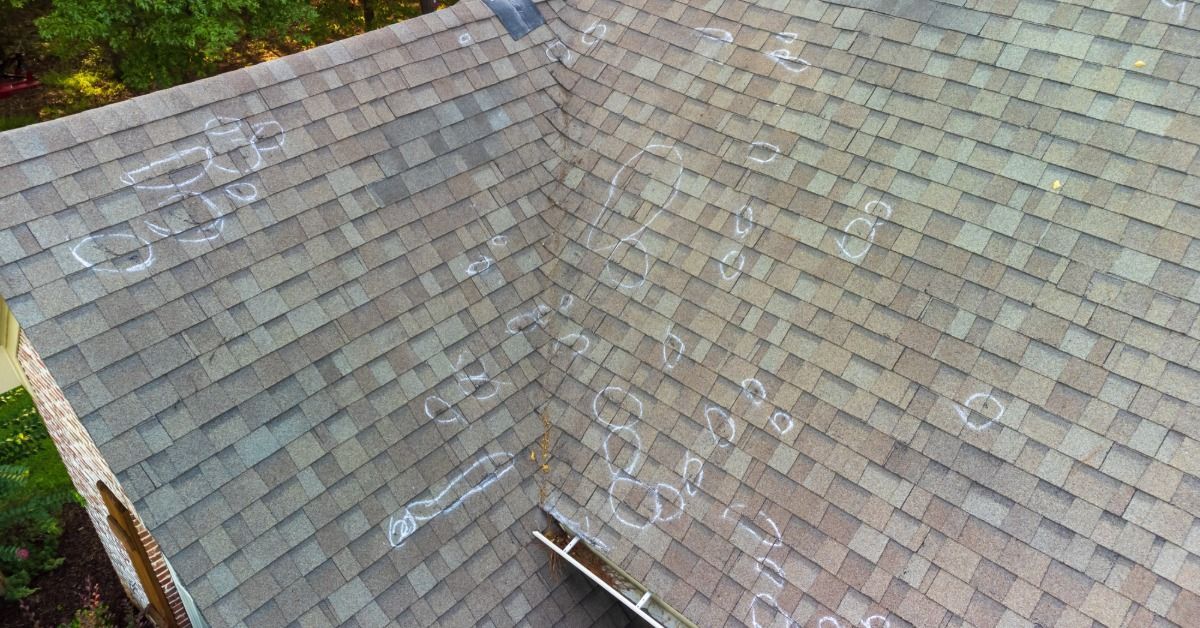
Inspection findings can range from minor maintenance items to conditions that require prompt repairs. Common concerns include loose materials, failing sealants, damaged flashing, clogged drainage, punctures, soft decking, and signs of moisture intrusion. The inspector may also identify installation issues or older repairs that are no longer performing as intended.
Not every finding means the entire roof needs to be replaced. Some problems can be addressed through cleaning, sealing, localized repairs, or replacement of individual components. The report should clarify the location and apparent severity of each condition.
How Inspectors Document Findings
Clear documentation helps property owners understand what the inspector found and where each issue is located. It also creates a useful record for future maintenance, repairs, insurance discussions, or property transactions.
Inspectors may document their findings in several ways:
- Written notes explain the condition of specific roof areas and describe any concerns.
- Photographs provide a clear view of damage or hard-to-reach sections.
- Measurements record the size, location, or extent of certain conditions.
- Diagrams show where findings are located across the roofing system.
- Condition ratings organize findings by severity or urgency.
Understanding Recommended Next Steps
The final report may separate urgent concerns from routine maintenance and conditions that should be monitored. Ask the inspector to explain any technical terms, unclear photos, or recommendations that are difficult to understand.
An experienced roofing contractor can review the findings and explain the work that may be needed. They may recommend maintenance, targeted repairs, or replacement of damaged roofing components. Timely repairs and replacements can prevent further damage and keep the roofing system working as it should.
A roof inspection gives you the information you need to plan repairs, maintenance, or replacement with greater confidence. At Leon Construction, we can provide an estimate and help you plan the work based on urgency and your budget. We oversee every phase of roofing repairs and replacements, from the inspection through the cleanup. Schedule a consultation with Leon Construction to get your roof taken care of.