What To Consider Before Remodeling Your Home
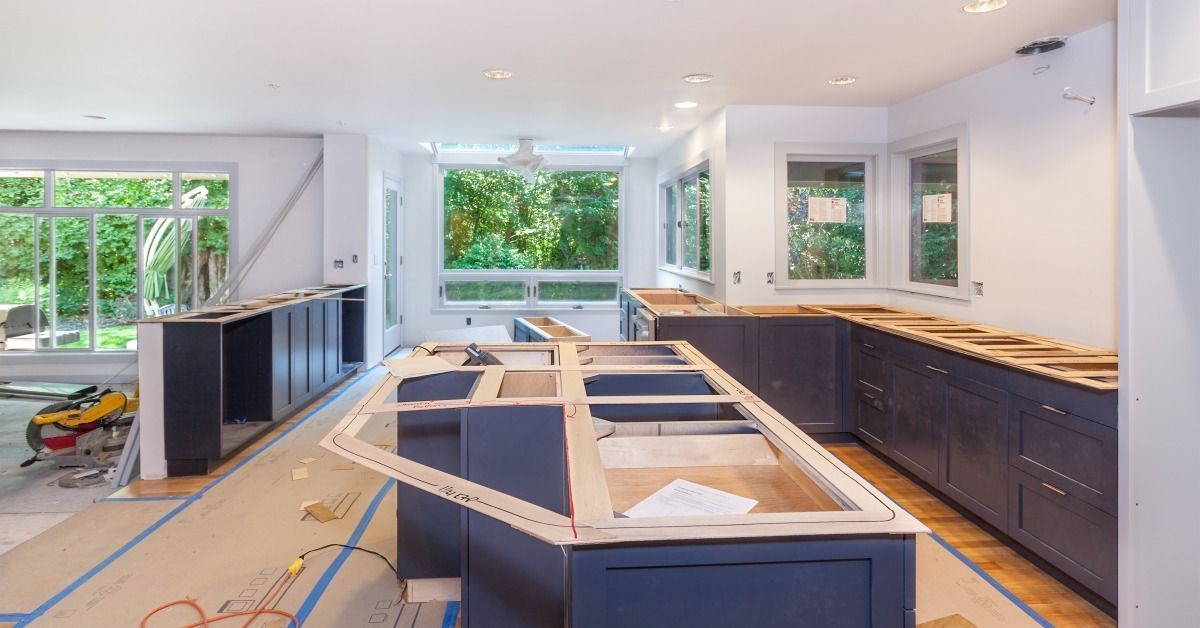
Remodeling your home gives you a chance to fix frustrations that have bothered you for years. Maybe the layout feels cramped, the finishes look dated, or certain spaces no longer fit your routine. Before remodeling your home, consider what changes will matter most in the long run. Your choices will shape how comfortable, functional, and beautiful your home becomes.
Clarify Your Goals
A remodeling project works better when you define your desired outcome before making design decisions. Clear goals shape the scope of work, guide material choices, and keep the project focused on how you want your home to function. Additionally, knowing your priorities makes it easier to make decisions and communicate with your contractor.
Different remodeling goals may include:
- Creating more usable space.
- Improving storage.
- Updating outdated finishes.
- Improving traffic flow.
- Increasing natural light.
- Improving energy efficiency.
- Refreshing the interior design or boosting curb appeal.
- Preparing the home for long-term needs.
Tip: Think About Function
A good way to figure out your remodeling goals is to think about what feels inconvenient in your home right now. Maybe a room lacks storage, the layout interrupts movement, or the space just does not support your daily habits very well. Making a list of those issues can separate minor annoyances from bigger problems. That gives your project a clearer direction before you start making any changes.
Set a Realistic Budget
A remodeling budget should cover more than cabinets, flooring, or fixtures. Labor, material quality, project size, and the condition of the existing space all affect the final cost. Moreover, older homes sometimes reveal hidden issues once work begins.
Realistic budgeting involves knowing where to spend and where to simplify. If a project includes several upgrades, rank them by importance before construction starts. That way, the most meaningful items stay in the plan even if you need to adjust a few details later.
Several factors can influence the total cost of a remodeling project:
- Project size and scope.
- Material selections and product quality.
- Existing damage behind walls or under floors.
- Permit requirements when applicable.
- Timeline changes tied to product availability.
Think of Long-Term Value
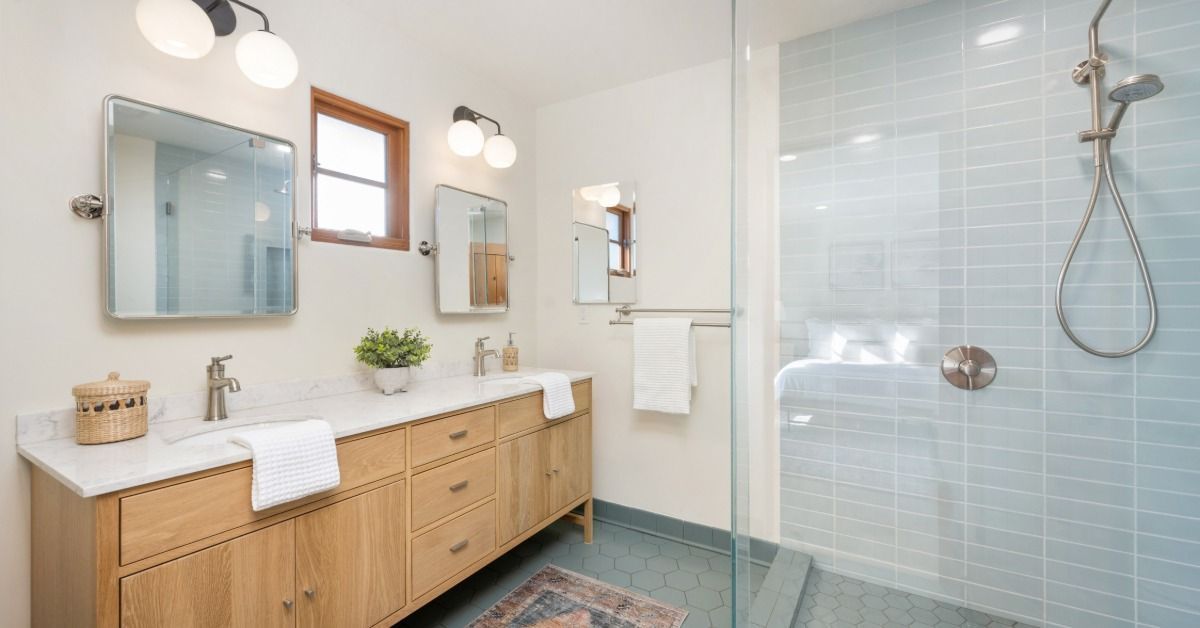
Before remodeling your home, consider how well the changes will fit your needs in the years ahead. Practical updates usually hold their appeal better than choices based only on short-term style. To make changes you’ll appreciate down the road, think about daily comfort, maintenance needs, and how the space may serve your household later.
Some updates mainly refresh a room's appearance. Others improve comfort, function, durability, or maintenance demands. The strongest remodeling decisions usually do both, giving you a space that looks and works better.
Check the Roof and the Exterior
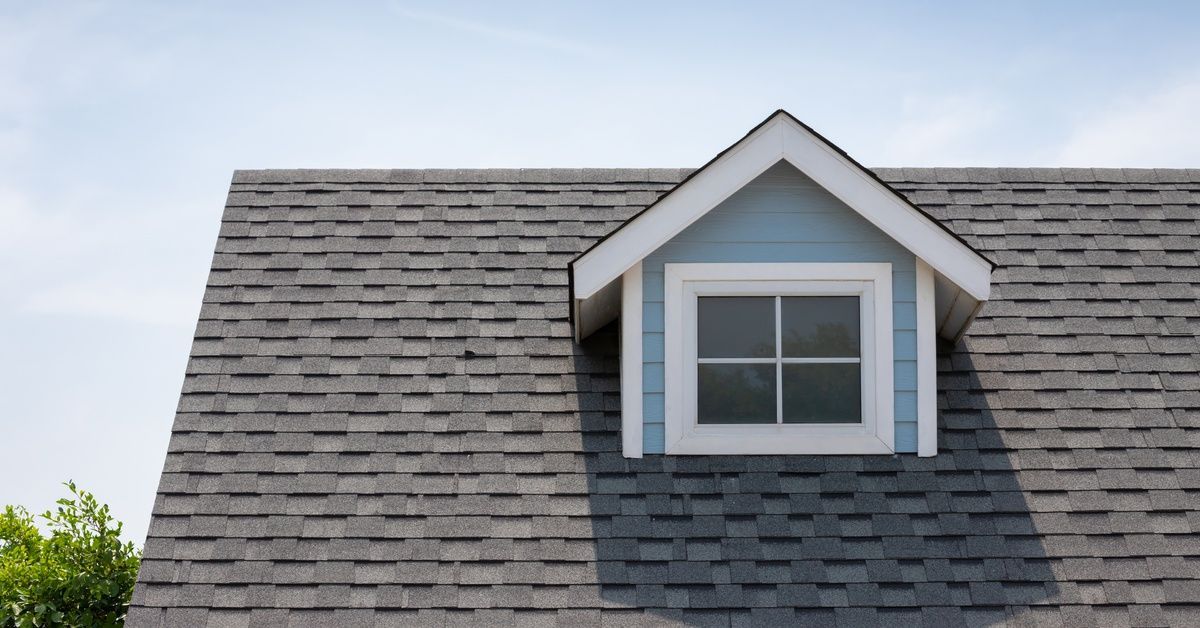
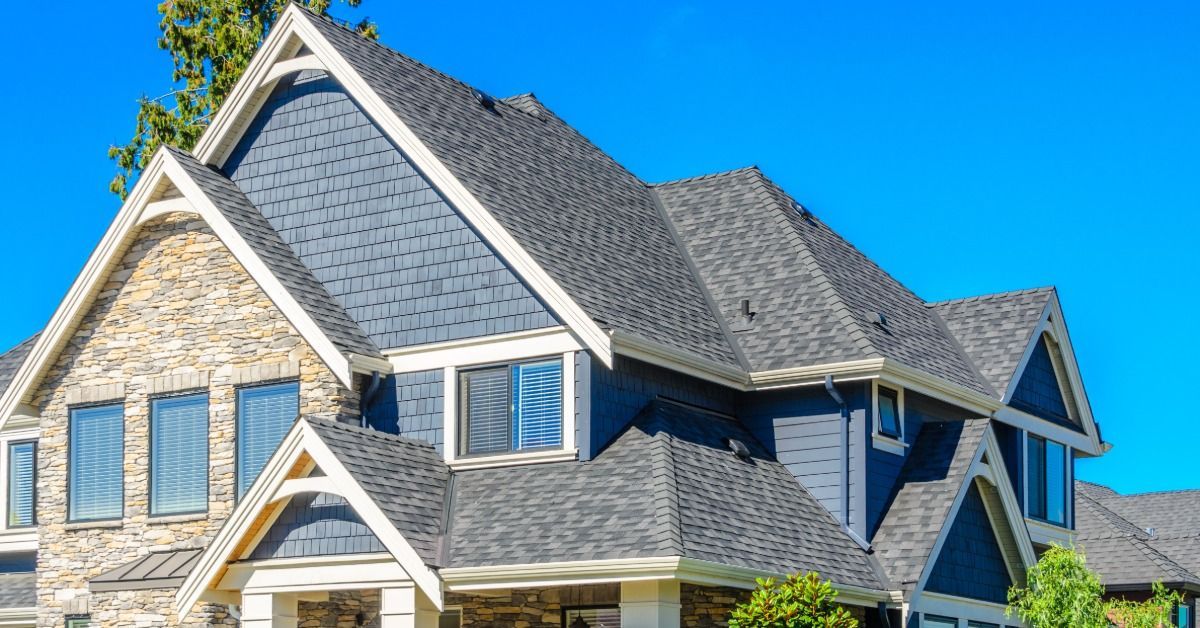
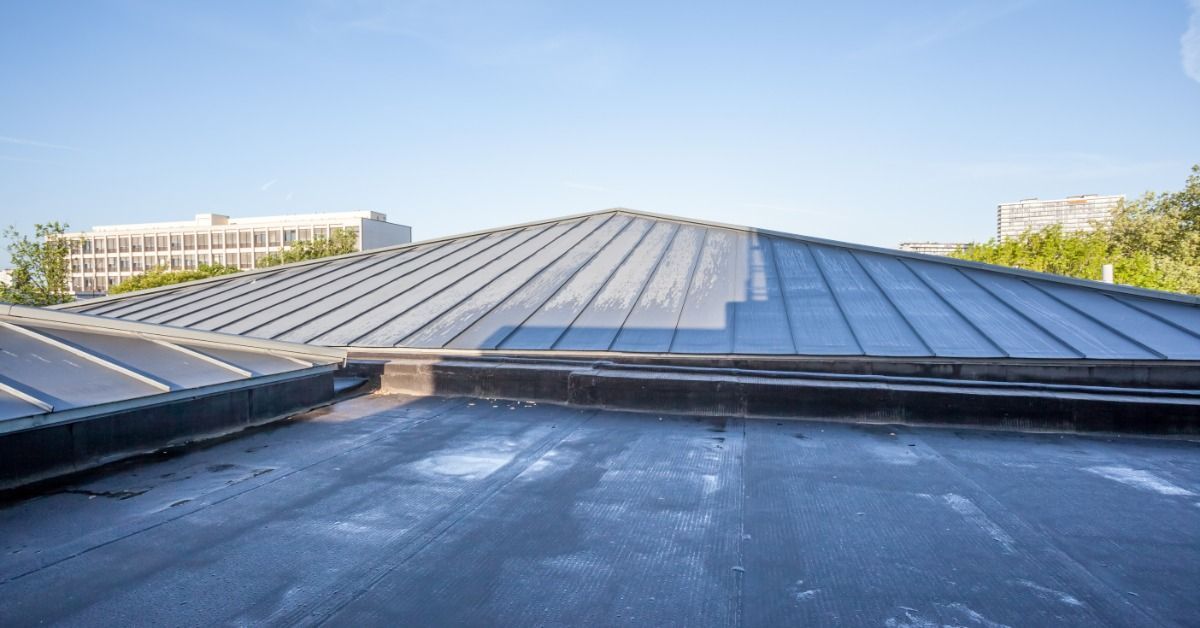
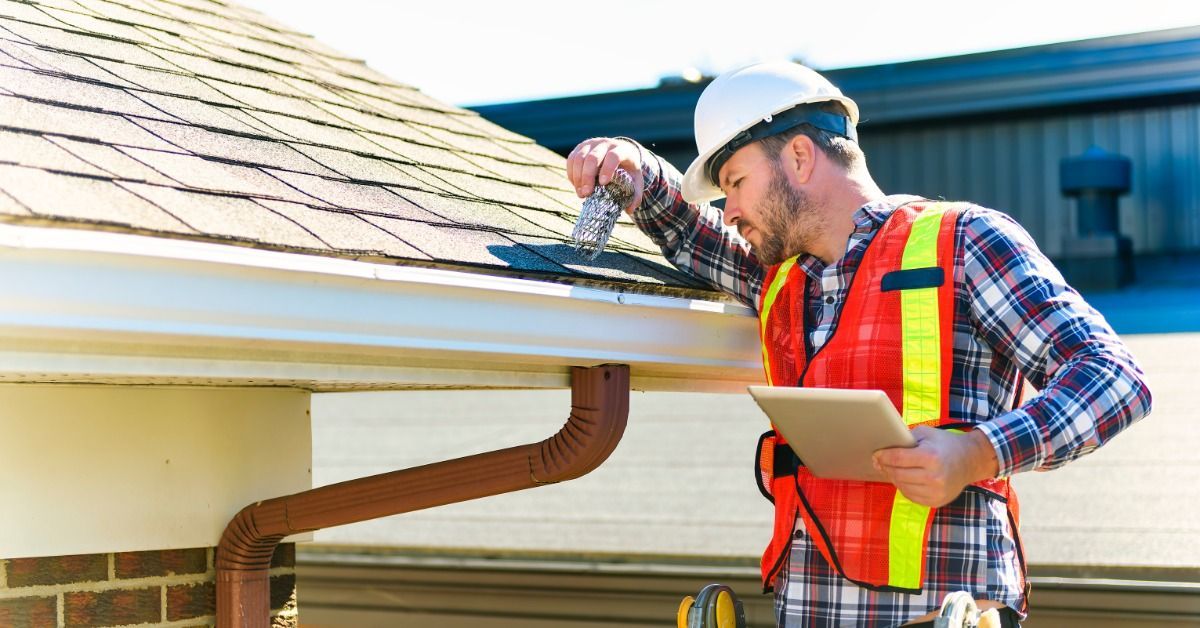
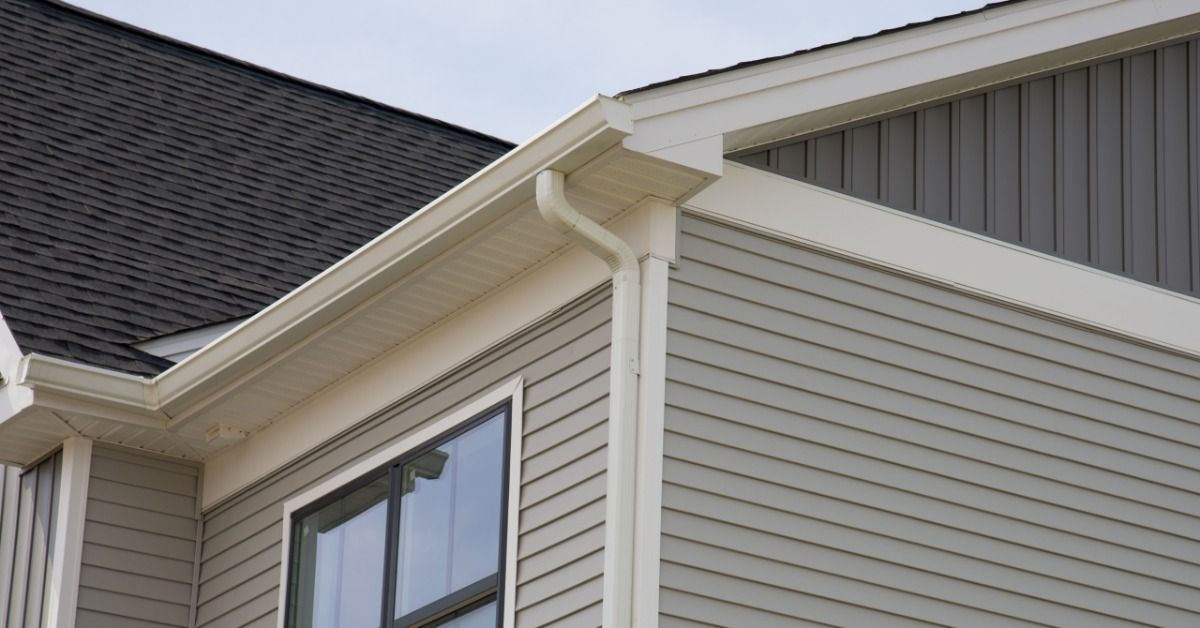
Many homeowners focus on interior finishes, yet the outside of the home deserves just as much attention. Roofs, siding, gutters, and trim protect the structure from rain, wind, and seasonal wear. If those parts show damage or age, it makes sense to address them before or alongside interior work.
Water intrusion, drafts, and worn materials may interfere with remodeling plans. Ask your contractor to inspect for leaks, damaged siding, or other issues before work starts.
Plan Layout Changes
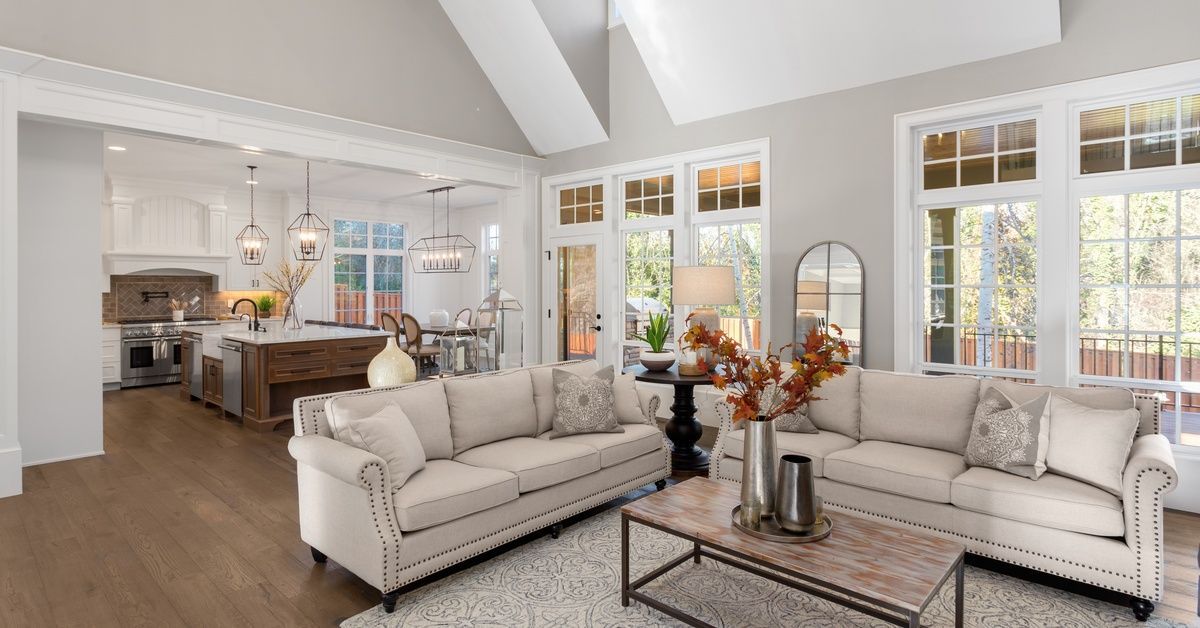
Some floor plans reflect older design preferences that don’t always fit modern routines. A better layout can improve comfort, reduce daily frustration, and make the space feel like a better fit for the way your family uses the home. Layout changes may influence decisions about flooring, lighting, plumbing locations, and furniture placement.
Some of the most common ways to improve a home’s layout include:
- Opening up closed-off living areas.
- Creating better flow between key spaces, such as between a kitchen and dining room.
- Adding storage where it is currently lacking.
- Making rooms feel larger or less cramped.
- Improving access to natural light.
Tip: Prepare for New Sightlines
Changing the layout of a room can completely shift what you see from one space to the next. When walls move or open areas expand, features that were once hidden may become much more noticeable, including flooring transitions, lighting, and less attractive views. That’s why it helps to think ahead about what will come into view and whether those areas need updates, too. Planning for those sightlines can make the finished space feel more cohesive and intentional.
Improve Energy Efficiency
Improving efficiency can make your home more comfortable year-round. Better insulation, upgraded windows, and well-sealed doors work to maintain steady indoor temperatures. These improvements may also reduce how hard heating and cooling systems need to work.
Contractors who provide home remodeling services can identify upgrades that improve efficiency during a renovation. They may recommend improvements such as insulation updates, energy-efficient windows, or better exterior sealing. Making these improvements while remodeling keeps the work organized and practical.
Add Custom Storage and Built-Ins
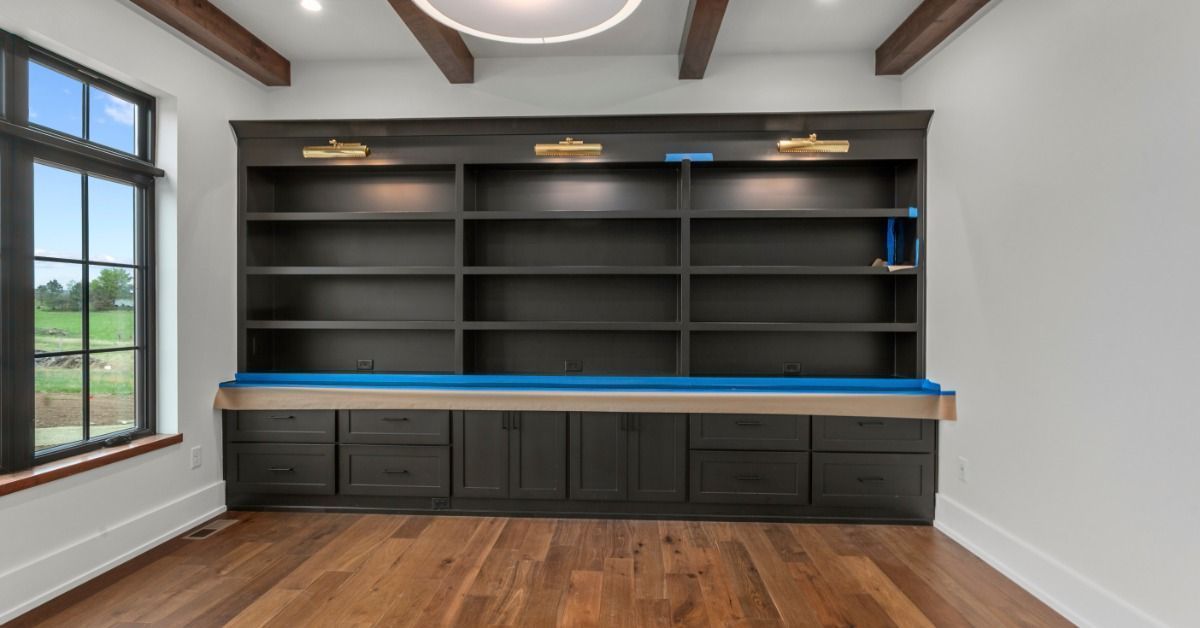
Custom storage and built-ins make the best use of square footage. Instead of relying on standalone furniture, these features integrate directly into a room's layout. As a result, the space can feel more organized, functional, and visually cohesive. A contractor can design solutions that match the room’s size, style, and purpose.
Some common examples of built-ins and custom storage include:
- Window seats with hidden storage.
- Built-in shelving around fireplaces or entertainment areas.
- Mudroom benches with cubbies for shoes and bags.
- Closet systems with shelves, drawers, and hanging space.
- Built-in cabinets in living rooms, kitchens, or hallways.
Enhance Your Home’s Safety
Remodeling can make your home safer for everyone who uses the space. Since construction already involves structural changes and updated finishes, it can be a convenient time to address potential safety concerns.
Common safety upgrades during a remodel include improving lighting in hallways and staircases, installing slip-resistant flooring, or upgrading older electrical outlets and switches. Bathroom remodels may include grab bars or more accessible showers, while entry areas may benefit from better lighting and railings. A contractor can suggest safety features that blend with your home’s design.
Remodeling your home is a chance to improve both comfort and functionality. Clear goals, realistic budgeting, smart layout changes, and durable materials all play an important role in the outcome. With careful planning and the right guidance, the finished space can feel more useful, organized, and welcoming. Contact Leon Construction today to learn how our home remodeling services can help bring your ideas to life.