Navigating Gutter Repair: Warren County Contractor Insights
April 8, 2025
Navigating Gutter Repair: Warren County Contractor Insights
When it comes to maintaining your home, one aspect that often gets overlooked is the condition of your gutters. Properly functioning gutters are crucial in protecting your home from water damage, especially in Warren County, PA. If you're in need of a reliable Gutter Contractor in Warren County, PA, look no further than Leon Construction.Gutter Contractor in Warren County, PA understands the unique challenges that homeowners face in this area. From heavy rainfalls to snowstorms, the weather can take a toll on your gutters over time. That's why it's essential to address any gutter issues promptly to prevent further damage to your home.
When it comes to gutter repair, Warren County contractors like Leon Construction have the expertise and experience to handle any job, big or small. Whether it's a minor leak or a complete replacement, they can provide you with the solutions you need to keep your gutters in top condition.
One common issue that homeowners face is clogged gutters. Leaves, twigs, and other debris can accumulate in your gutters, causing water to overflow and potentially damage your roof and siding. A professional Gutter Contractor in Warren County, PA can help you with regular gutter cleaning and maintenance to prevent these issues from occurring.
In addition to repairs, gutter replacement may be necessary in some cases. If your gutters are old or damaged beyond repair, it's essential to invest in new gutter installations.
Leon Construction offers a wide range of gutter options
to suit your home's style and budget.
Regular inspections are also crucial in maintaining the health of your gutters. A Gutter Contractor in Warren County, PA can assess the condition of your gutters and identify any potential issues before they escalate. By scheduling routine inspections, you can save yourself time and money in the long run.
In conclusion, when it comes to gutter repair in Warren County, PA, it's essential to trust the experts. Leon Construction has the knowledge and skills to handle all your gutter needs efficiently and effectively. Don't wait until it's too late – contact them today for a consultation.
Contact us today to schedule an appointment with our experienced team of professionals. Let Leon Construction take care of all your gutter repair and replacement needs,
ensuring the safety and longevity of your home.
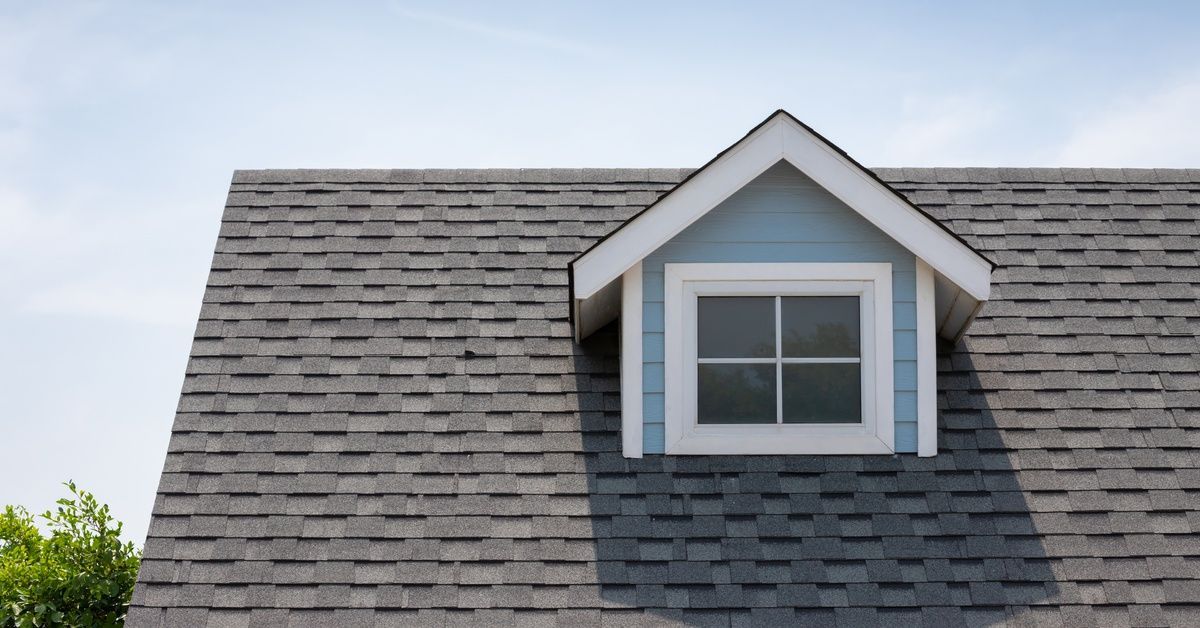
Minor roof damage can lead to leaks, decking damage, and other issues. See how addressing small problems can save time and money and help your roof last longer.

Roof problems can look different depending on the material and where damage develops. Learn which signs mean it's time for a replacement rather than a repair.

If your home feels cramped, cluttered, or harder to share, it might be time for a remodel. These ideas can make your space work better for the whole family.

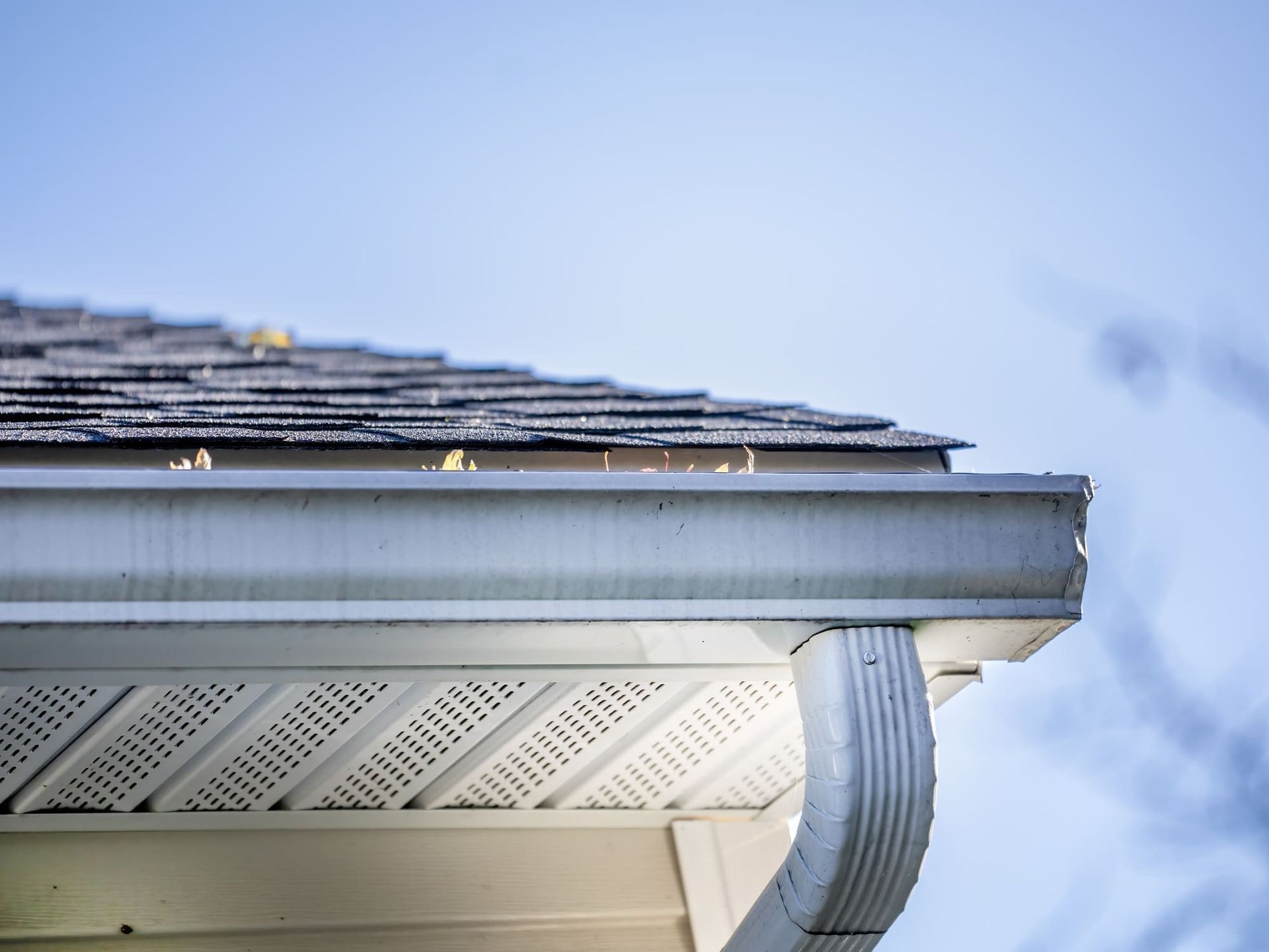
Gutter repairs can work well, but not in every situation. See when replacement may be the better choice based on age, damage, performance, and cost.

Home improvement projects involve many moving parts and careful coordination. See how a contractor can manage the details and keep each phase organized.

Poor insulation can affect comfort, energy use, and moisture levels throughout your home. Know what to watch for and when to call a professional.
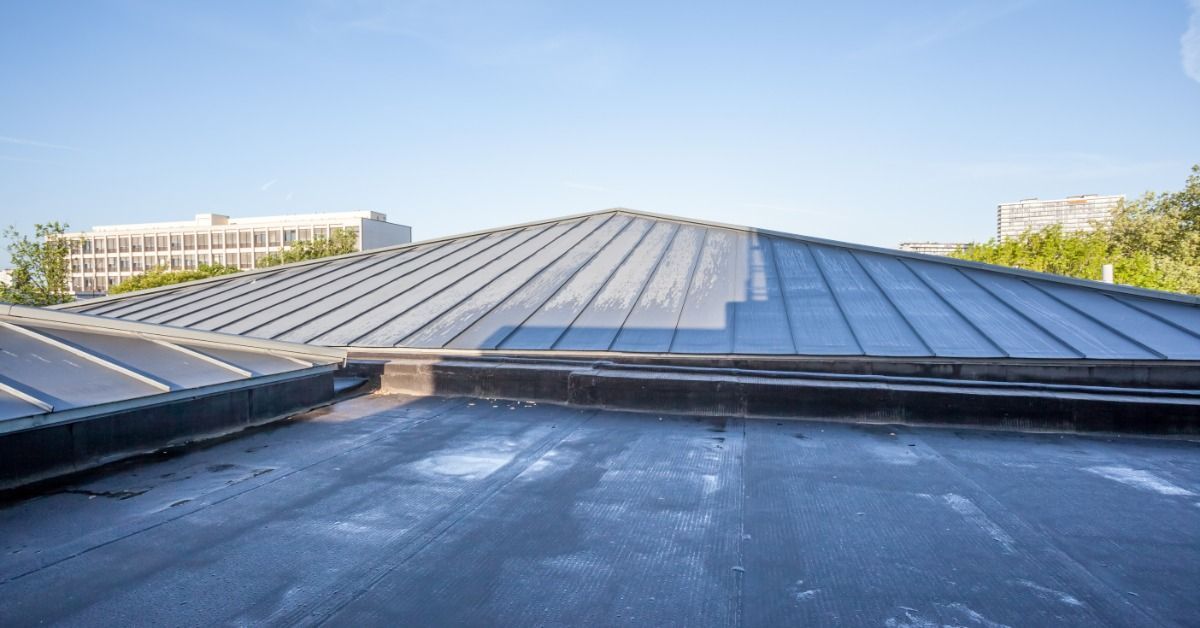
Missing materials, water stains, ponding, and surface wear can all point to roof damage. See what to look for on residential and commercial roofs.
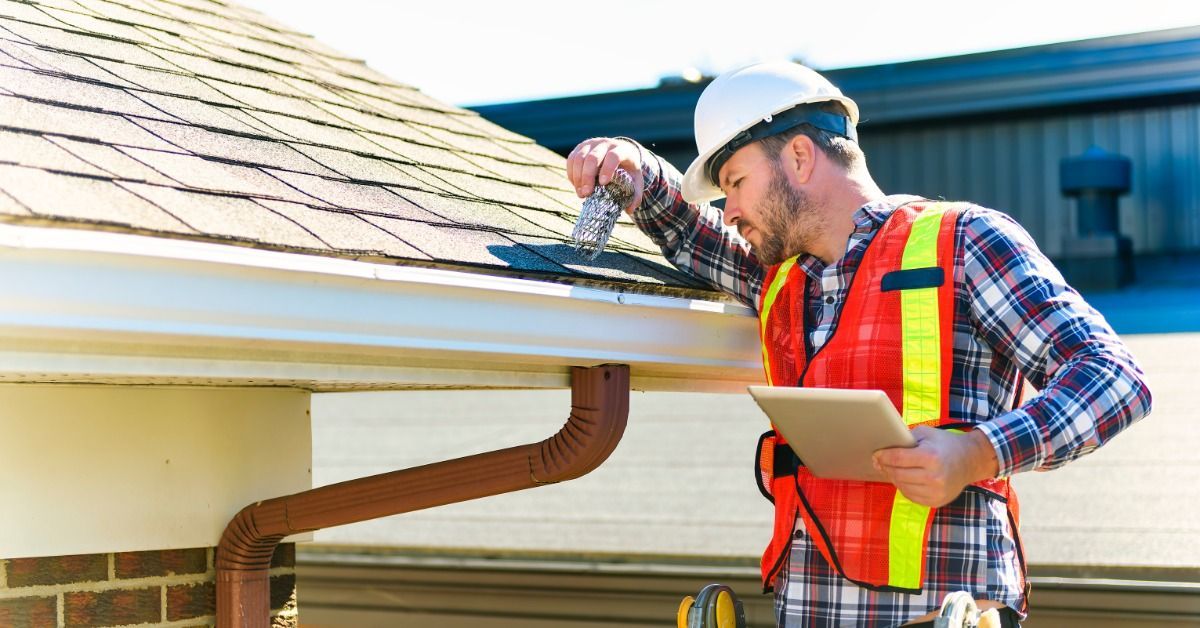
A roof inspection can uncover concerns that are easy to miss from the ground. See how the roof is evaluated and what happens after the report.

Aging in place means adapting your home so it works better through every stage of life. These practical renovation ideas support safer, easier daily living.
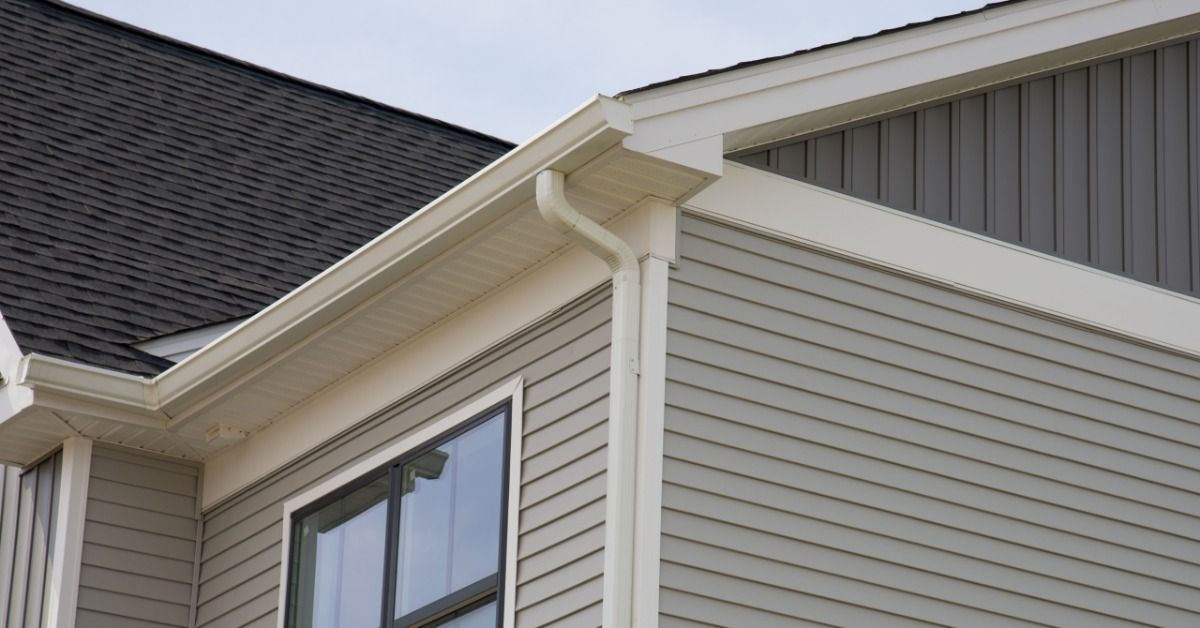
A good gutter system doesnt get much attention until rain starts spilling from the roofline or pooling near the foundation. If youre choosing gutters for your home, it helps to compare shapes, sizes, materials, and maintenance needs before you commit. The right setup should move water away from the building without making upkeep feel like a constant chore. A few simple comparisons can help you avoid choosing something that looks fine at first but doesnt direct water where it needs to go. Match Your Roofline Your roofline affects how much water your gutters need to carry and where the downspouts should go. A simple roof with long, straight edges may need a different setup than a roof with several valleys, dormers, or steep slopes. Roof pitch also plays a role because steeper roofs move water faster during heavy rain. Wider gutter runs, extra downspouts, or larger gutter sizes may help manage that flow. A contractor can review the roof layout and recommend a setup that keeps water moving rather than backing up. Why Roof Valleys Need Attention Roof valleys collect water from two roof planes, so they usually send a heavier stream into one area of the gutter system. That extra flow can overwhelm a small gutter or poorly placed downspout during a storm. Splash guards may help in some spots, especially where water runs off the roof quickly. Additionally, a contractor may suggest changing the downspout placement to help the system handle runoff more smoothly. Compare Gutter Materials