Common Causes of Residential Roof Leaks Explained
A small brown spot on the ceiling or a drip during heavy rain can leave you wondering where the water is coming from. Finding the source isn't always straightforward, since water can travel along roofing materials and framing before appearing inside your home. Understanding the common causes of residential roof leaks can make it easier to spot potential problems and limit damage. Here's a closer look at where leaks often begin and what you should know about addressing them.
Damaged or Missing Shingles
Shingles form the outer protective layer of many residential roofs, shielding the materials underneath from rain and other weather events. Over time, exposure to changing weather conditions can cause them to crack, curl, loosen, or lose their protective granules. Strong winds can also tear shingles away, leaving sections of the roof exposed to the elements.
Even a single damaged shingle can create an opening for moisture to reach the underlying materials. After a storm, you might notice shingles in your yard or patches of roofing that look different from the surrounding areas. These changes don't necessarily mean there's an active leak, but they're worth having inspected before further damage develops.
How Water Penetrates Exposed Roof Layers
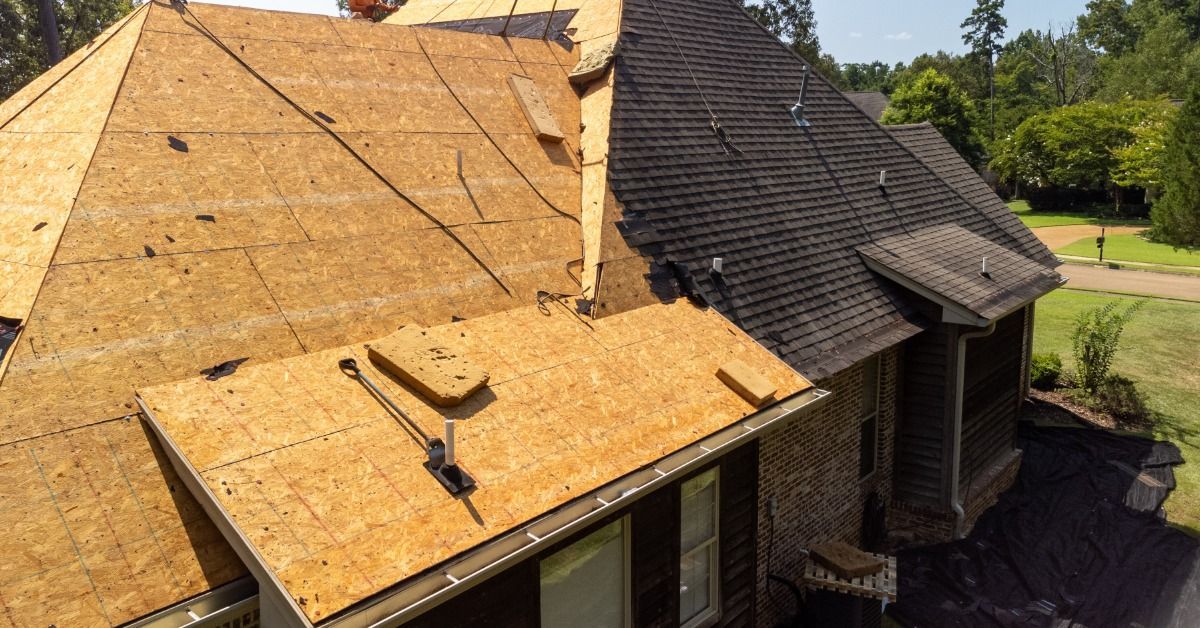
When shingles are missing or damaged, rainwater can reach the underlayment beneath them. This layer provides additional moisture protection, but it isn't designed to serve as the roof's primary barrier against the weather. If water gets through damaged underlayment or openings around fasteners, it can reach the wooden decking. From there, moisture may travel into the attic or along framing before showing up as a stain on an interior ceiling or wall.
Cracked or Deteriorating Roof Flashing
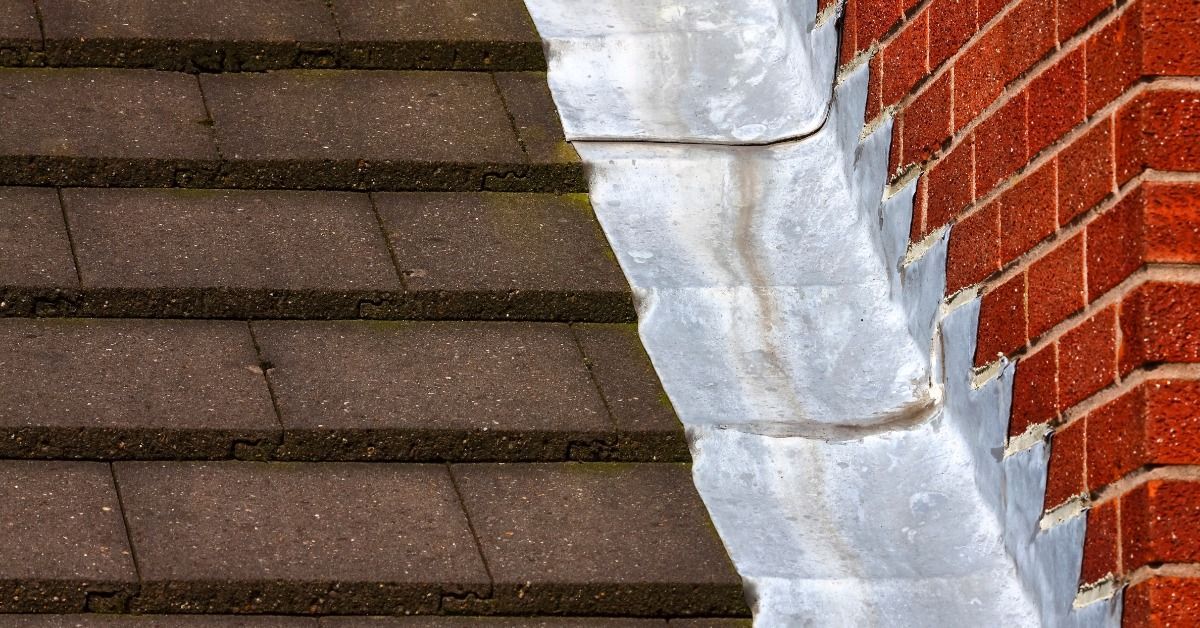
Flashing consists of thin metal pieces that protect joints and transitions between different roof surfaces or building components. These areas are vulnerable because rainwater must be directed around edges and changes in the roof's shape. If the flashing becomes corroded or improperly sealed, water may find its way through the gaps.
Flashing is around areas where roof surfaces meet or connect to other parts of the home, such as:
- around the base of chimneys
- along valleys where two roof slopes meet
- around skylights and roof windows
- where the roof meets exterior walls or siding
Worn or Damaged Pipe Boots
Plumbing vent pipes extend through many residential roofs to allow air to move through the home's drainage system. A pipe boot fits around each vent to create a watertight seal where the pipe passes through the roofing. Many of these boots contain rubber components that can shrink or become brittle after years of sun and temperature swings.
Once the seal weakens, rainwater can slip through the gap between the pipe and the surrounding roofing materials. You may not notice the problem immediately because water can travel along the vent pipe or nearby framing before reaching a visible area. A roofing professional can inspect the boot and determine whether it needs replacing or if another part of the installation is allowing water through.
Improperly Sealed Roof Penetrations
Improperly sealed roof penetrations commonly cause residential roof leaks, but they can be hard to spot when the surrounding roofing looks undamaged. These openings are created for features such as exhaust vents, skylights, and other rooftop equipment. Each opening needs properly installed flashing or sealing components to prevent rainwater from reaching the layers below. When these protective materials deteriorate or aren't installed correctly, gaps can form that allow moisture to enter.
Some roof openings also have exposed fasteners or sealant joints that can weaken over time. As sealants age, they may crack or pull away from adjacent surfaces, leaving small openings for water. Professional residential roof repair can address these vulnerable areas by replacing damaged seals or repairing other affected components.
Clogged Gutters and Poor Drainage
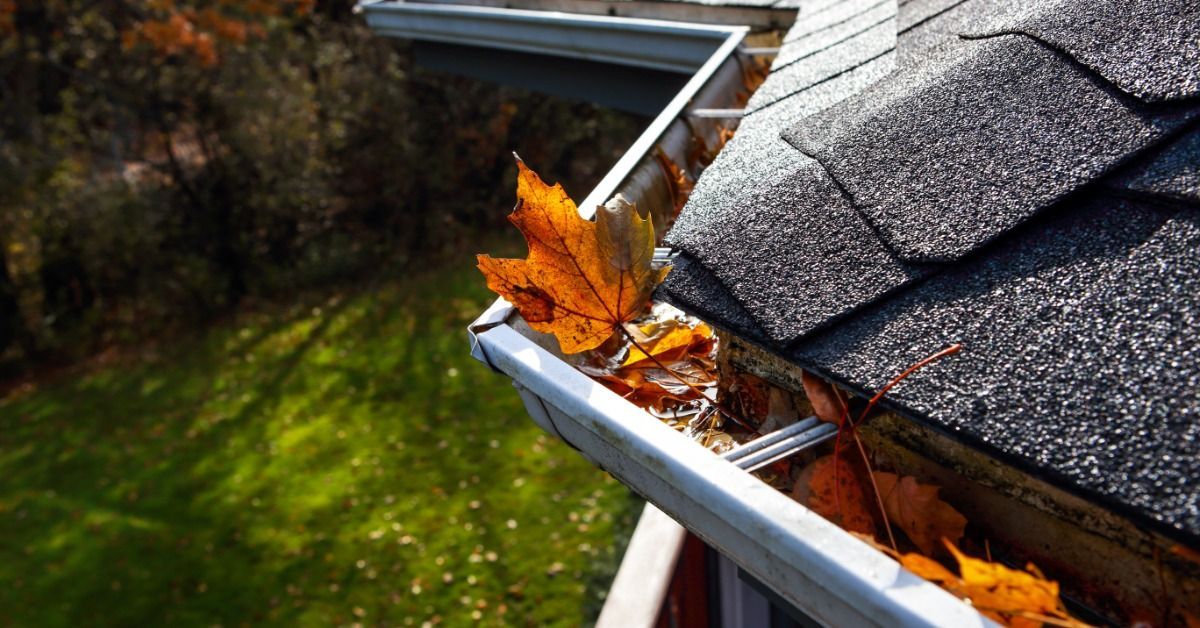
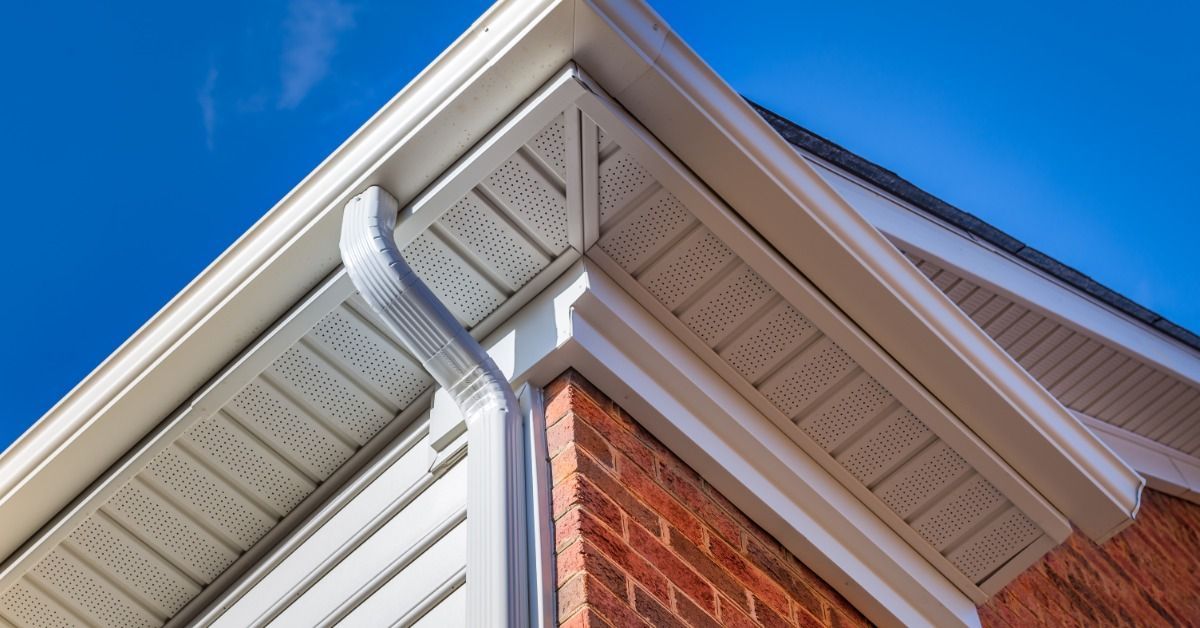
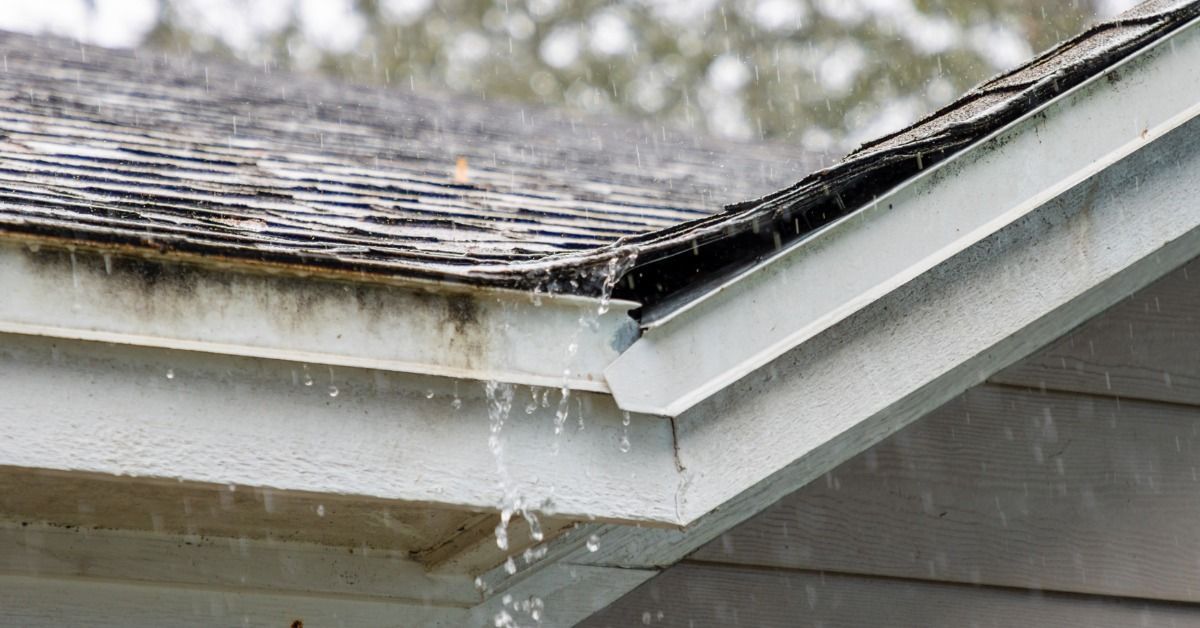
Gutters collect rainwater as it flows off your roof and direct it into downspouts that carry it away from the house. When debris blocks the system, water can overflow or back up along the roof's edge. Although drainage problems don't always cause roof leaks directly, they can contribute to moisture damage, especially when nearby roofing components are already vulnerable.
These are some issues that can prevent water from flowing off the roof and away from your home:
- gutters clogged with leaves, twigs, and dirt
- downspouts blocked by accumulated debris
- sagging or improperly sloped gutter sections
- leaves and branches collecting in roof valleys
Ice Dams During Winter
During winter, snow on a roof can melt and refreeze near the colder edges, forming a ridge of ice known as an ice dam. This buildup prevents melting snow from draining off the roof normally, allowing water to collect behind it. As the water backs up, it may work beneath shingles and enter the roofing system, especially where protective materials are already compromised.
Ice dams are particularly common in regions that experience prolonged freezing temperatures and heavy snowfall. You might notice thick ice along the eaves or large icicles hanging from the roofline. Although icicles don't necessarily indicate an ice dam, recurring ice buildup near the roof's edge is worth investigating, particularly if you also notice water stains near exterior walls.
How Insulation and Ventilation Affect Ice Dams
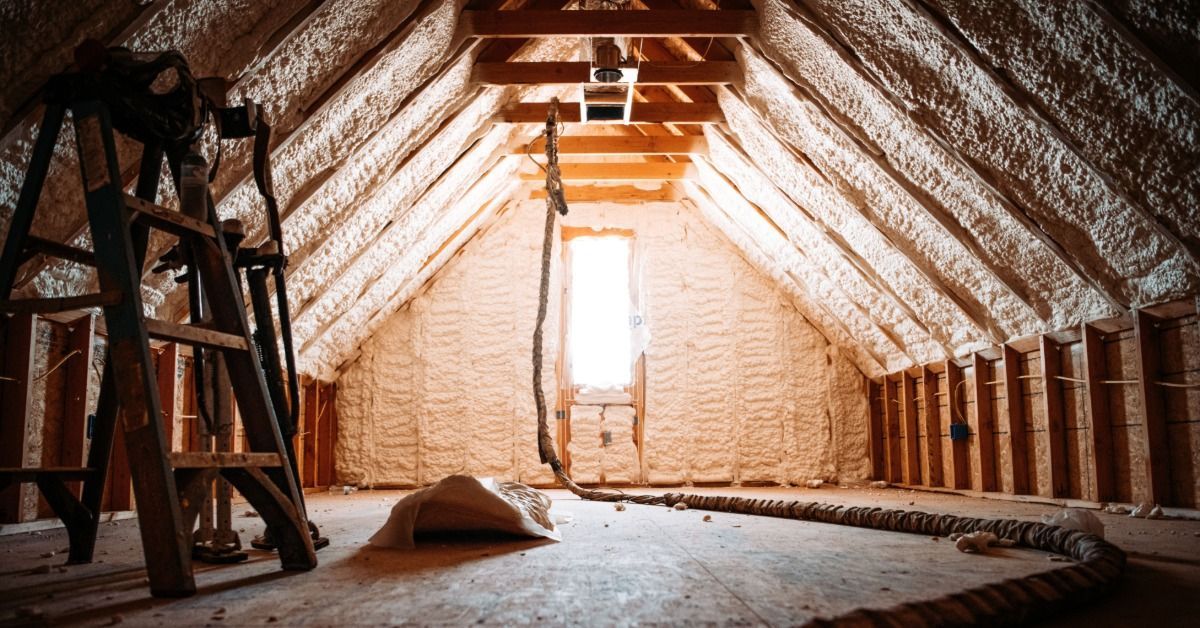
When heat escapes from your living space into the attic, it can warm portions of the roof and cause snow to melt unevenly. That water may then reach the colder eaves, where it refreezes and adds to the ice buildup. Proper attic insulation and air sealing can reduce unwanted heat transfer, while adequate ventilation can support more consistent roof temperatures. Together, these improvements can minimize conditions that encourage ice dams.
Aging Roofing Materials
Every roofing system has a limited service life, depending on the materials, installation quality, weather exposure, and maintenance history. As a roof ages, its components can deteriorate and become less effective at keeping water out. Over time, widespread wear can increase the risk of leaks, even when there's no single obvious area of damage.
Common signs of aging roofing materials include:
- shingles that are cracked, curled, or brittle
- excessive shingle granules collecting in gutters
- worn or corroded metal flashing
- cracked or deteriorating sealants around roof openings
- recurring leaks in different areas of the roof
Your roof faces changing weather year-round, so some wear and tear is inevitable. What matters most is catching problems early and making sure repairs address the underlying cause. A quick patch might stop a leak temporarily, but it won't necessarily fix poor drainage or widespread deterioration. A professional roof inspection can reveal what's causing the problem, what needs to be repaired, and how to keep your home protected for years to come.