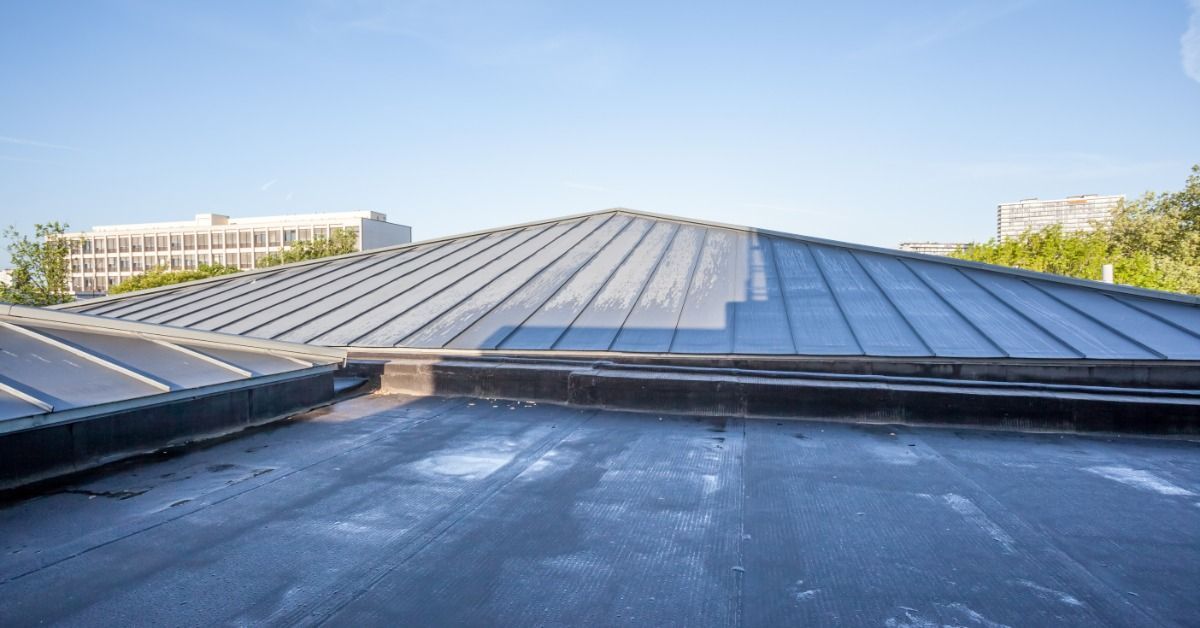
4 Steps to Prepare Your Roof for Winter
November 16, 2020

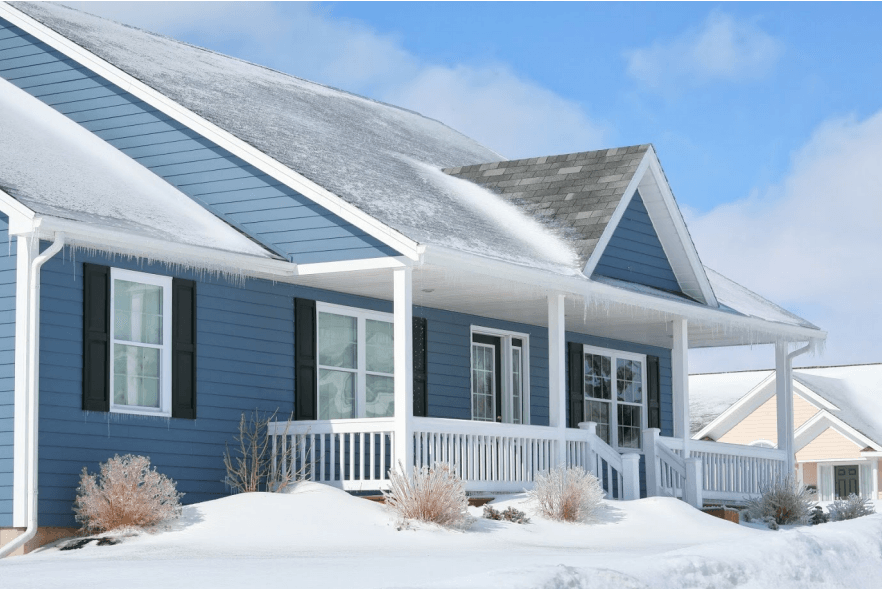
In many parts of the country, though the calendar still says fall, winter weather has started to set in. If you haven't already winterized your home, starting from the roof can keep the rest of the house safe as the season goes on. Follow these steps to make sure your roof is ready for the ice and snow that are sure to come in the next few months.

1. Clean, Clean, Clean
 
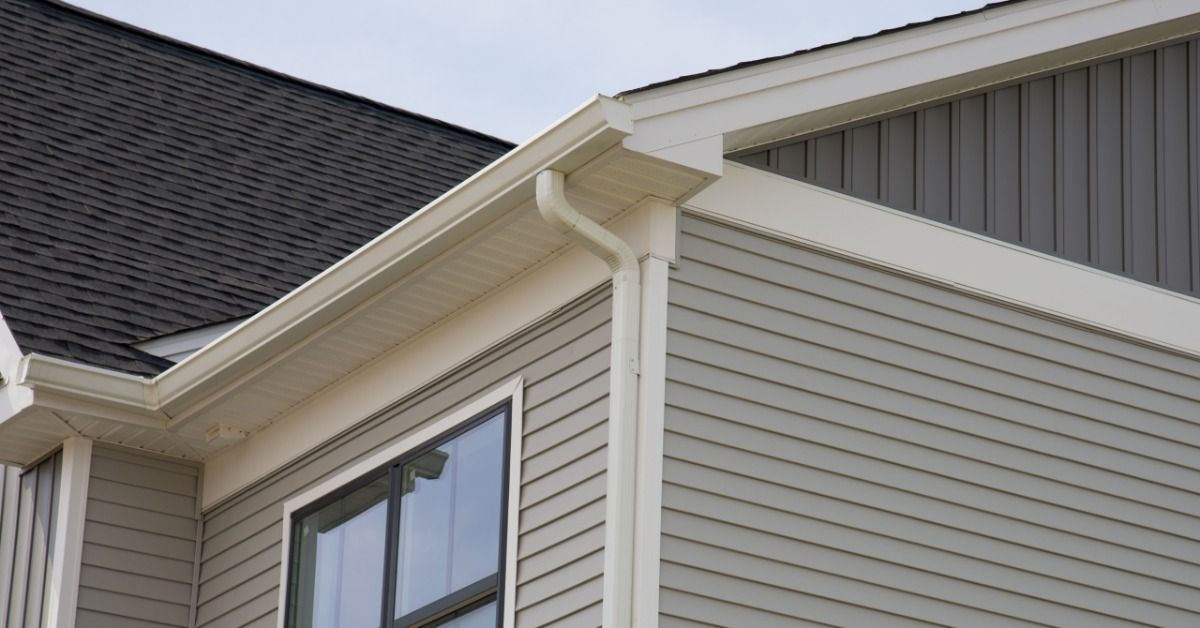
A messy, leaf-covered roof can easily be a cover-up for twigs and debris that will compromise the structure of your gutters, even if the problem is as simple as clogging up space where rainwater should be. After all, pools of water will quickly become ice, which will further inhibit the space water has to flow the rest of the season. Plus, ice can break the gutters apart if the blockage becomes too severe.
 
Unkept gutters are a problem, but even more problematic would be if the leaves cover structural damage - or even cause it. Rotting branches or mulch can bring mold spores to your roof and cause it to deteriorate much more quickly than it should. Get up on the shingles with a broom and make sure it's nice and clean before the snow hits.
 
2. Get an Inspection
 
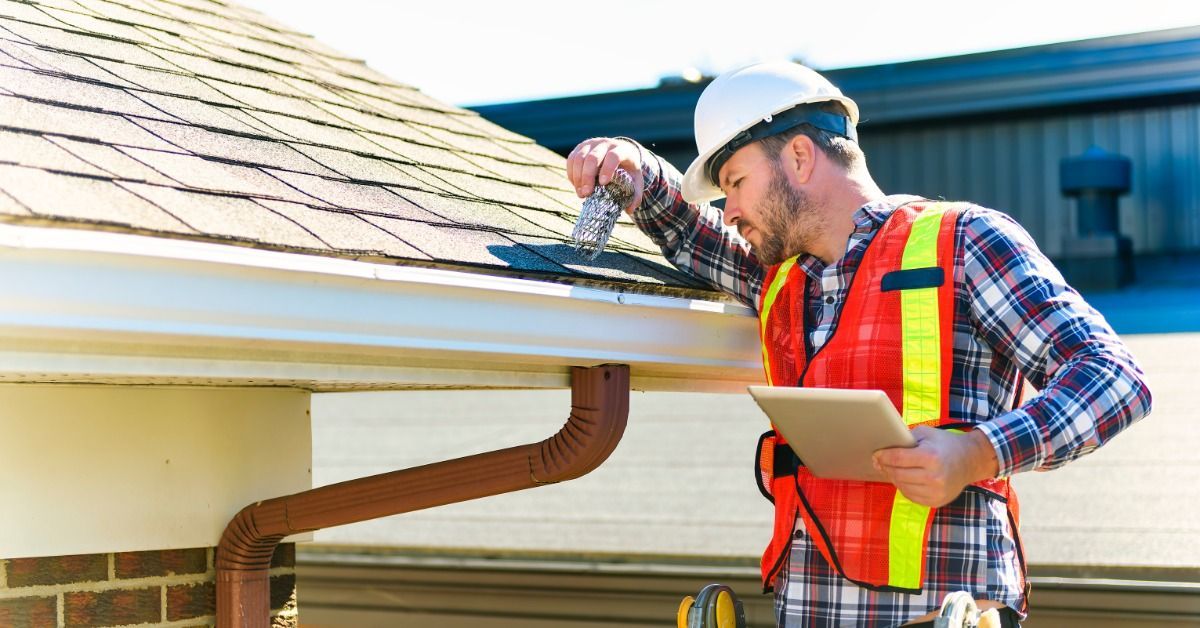
Even without the threat of mold, you should make plans to get on the roof and look it over or hire a contractor to inspect it for you. A few loose shingles, bent or rusted flashing, or animal infestations may not matter much over the summer, but they can make a big difference when the weather starts cooling down.
 
Once the area is clean, look over all of your roof space, paying particular attention to the valleys and features that break up the surface, like chimneys. If you notice any repairs that need to happen or infestations that you want to get out, call in an expert to make sure it happens before winter. That way, you'll be able to keep your house cozy and warm all season long.
 
3. Look Inside
 
Look at the roof from within the house too. Go to either the attic or your topmost rooms. Look for water damage that has made its way into the house, mostly on the ceiling or visible insulation. If your insulation was poorly installed or has suffered damage, then you'll need to hire someone to replace it before winter sets in.
 
Insulation is crucial in cold states; if it fails its task, you can spend a fortune on heat and still freeze all winter because it all leaks out the roof. Water damage on your insulation may indicate further problems in your roof, which you'll have to repair before the snow starts to come. Call in a contractor sooner rather than later to fix any insulation issues.
 
4. Keep Up the Good Work
 
Once you've made the necessary changes and had a roofer inspect your home, you'll have a more relaxed winter. That doesn't mean you've finished working, however. Throughout the season, keep debris off the roof, and if it snows in your area, don't let that build up either. No matter how picturesque, snow is heavy, and too much weight can cause damage. Keep everything clean and in good repair all winter long.
 
Do you need fast and reliable roof service before the cold kicks in? Leon Construction can perform repairs or new installations in an efficient and proper manner, giving you the security of a good roof within the time other crews may just be getting started. Get in touch 
today for a quote on how Leon Construction can help your home get through the winter.
An open-concept living, dining, and kitchen space has ample natural light. The path around the kitch
August 12, 2026
Aging in place means adapting your home so it works better through every stage of life. These practical renovation ideas support safer, easier daily living.
By LP SEO Campaigns August 5, 2026
A good gutter system doesnt get much attention until rain starts spilling from the roofline or pooling near the foundation. If youre choosing gutters for your home, it helps to compare shapes, sizes, materials, and maintenance needs before you commit. The right setup should move water away from the building without making upkeep feel like a constant chore. A few simple comparisons can help you avoid choosing something that looks fine at first but doesnt direct water where it needs to go. Match Your Roofline  Your roofline affects how much water your gutters need to carry and where the downspouts should go. A simple roof with long, straight edges may need a different setup than a roof with several valleys, dormers, or steep slopes. Roof pitch also plays a role because steeper roofs move water faster during heavy rain. Wider gutter runs, extra downspouts, or larger gutter sizes may help manage that flow. A contractor can review the roof layout and recommend a setup that keeps water moving rather than backing up. Why Roof Valleys Need Attention Roof valleys collect water from two roof planes, so they usually send a heavier stream into one area of the gutter system. That extra flow can overwhelm a small gutter or poorly placed downspout during a storm. Splash guards may help in some spots, especially where water runs off the roof quickly. Additionally, a contractor may suggest changing the downspout placement to help the system handle runoff more smoothly. Compare Gutter Materials
5 Renovations That Increase Your Home’s Curb Appeal
July 31, 2026
How does your home look from the street? This guide covers five renovation ideas that can make your property feel more cohesive and inviting.
Exposed wood wall framing is filled with pale spray foam insulation in each stud bay. The room has a
By Conner Duppenthaler July 28, 2026
Open-cell and closed-cell spray foam are two popular insulation options. Before choosing, compare how each type handles drafts, moisture, and sound.
Aerial view of a home with asphalt shingles and multiple roof slopes. Trees, lawn, and a driveway.
July 21, 2026
Routine roof maintenance prevents leaks, ice damage, and ventilation trouble. Get tips for inspecting and repairing your roof, from DIY to professional methods.
A roof inspector wearing a hard hat and safety vest touches and examines asphalt shingles on a slope
July 16, 2026
Hire a roof inspector who knows your roof type and communicates clearly. The right inspection can make roof repairs, property sales, and budgeting easier.
Silver metal roof panels run down the steep gables of a residential home. A leafless tree stands in
July 10, 2026
Compare the benefits, costs, and maintenance needs of metal roofs. This guide helps homeowners decide if this roof type fits their home and budget.
A close-up of gray, loose-fill, cellulose insulation in between thin wood strips that run horizontal
July 1, 2026
An insulation contractor can install the right material throughout your home. Drafty rooms, cold floors, and noisy spaces may need different solutions.
A cluttered storage room, hall, and closet contain plastic bins, stacked papers, binders, and scatte
June 30, 2026
Wish your home had more room to breathe? You may already have plenty to work with! Rethink the areas that feel awkward, cluttered, or unfinished.
By Leon Kokhanevich April 14, 2026
A house that feels drafty in winter or stuffy in summer causes constant frustration. Many homeowners assume insulation is a simple upgrade, yet the work involves much more than filling empty spaces. For the best temperature regulation, energy efficiency, moisture control, and safety, insulation should always be installed by a professional. The right thermal protection keeps your home comfortable in all seasons. Installation Gaps Reduce Performance Insulation works best when it fully covers the intended area and fits properly around framing, wiring, and other obstacles. Small gaps may seem minor at first, yet they give heat an easy way to move in or out of the home. As a result, the material’s performance depends just as much on proper placement as on the product itself. Experienced installers understand where insulation jobs usually go wrong, particularly around corners, edges, and narrow spaces. Since compressed insulation does not perform as well, they avoid packing it too tightly or squeezing it where it does not fit. They also pay close attention to transitions between different areas of the home, so coverage stays consistent. As a result, the home feels more evenly comfortable from one space to the next. Hidden Hazards Make DIY Risky Many people picture insulation as a dusty weekend project. However, attics and crawl spaces may have tight access points, uneven footing, exposed wires, and low visibility, making the work harder than expected. A homeowner may walk into the space thinking the job will take a few hours, then realize the area has safety issues that were never obvious from below. Experienced insulation contractors know how to move through these spaces without damaging the home or putting themselves in danger. On top of that, they can recognize signs that another repair should happen first, such as roof leaks, damaged wiring, or moisture problems. Here are some of the hazards professionals check before starting insulation work:  Exposed wiring near insulation areas. Tight attic or crawl space access. Unstable surfaces between ceiling joists. Recessed fixtures that need clearance. Older materials that should not be disturbed.