
8 Types of Home Additions To Expand Your Living Space
March 2, 2026
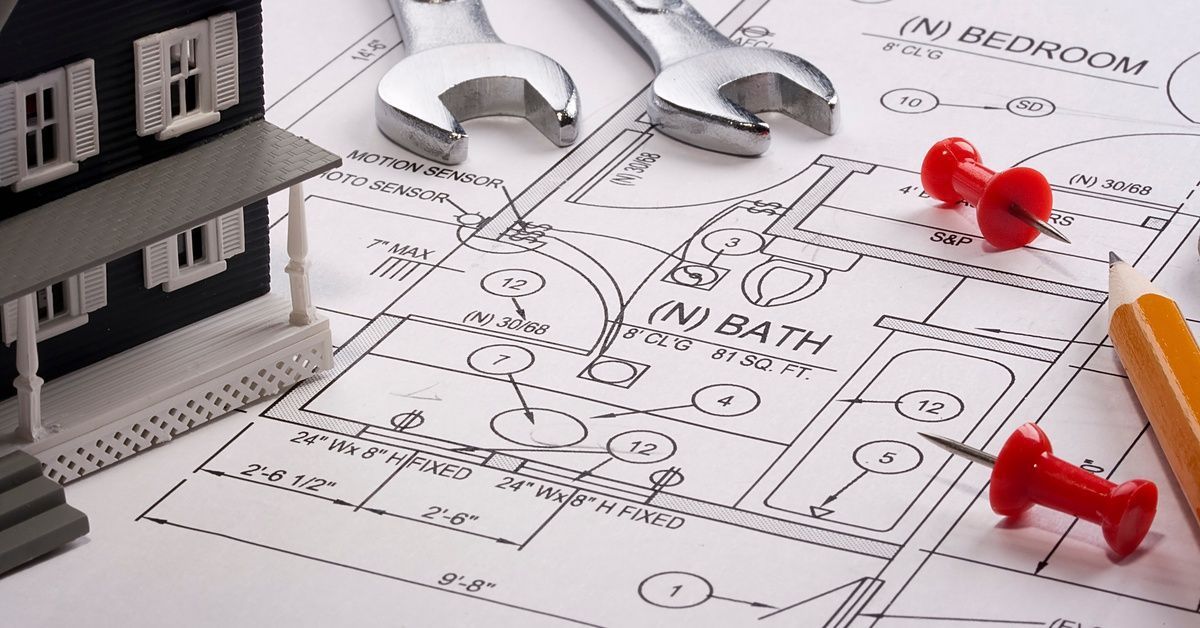
Sometimes it can feel like your home is shrinking as you lean into your hobbies, kids grow, or remote work becomes the norm. If you love your neighborhood and your property, adding square footage can feel like a smarter move than relocating. Fortunately, these eight popular types of home additions can expand your living space. Compare each option to find the one that best fits your lifestyle, budget, and how you use your home.
Here are five upgrades commonly paired with adding bump-out square footage:
Bump-Out Room Expansions
A bump-out adds a few feet to an existing room, which changes how the space works without the footprint of a full addition. You might add depth to a kitchen for an island, widen a dining area for a bigger table, or create a cozy reading nook in a living room. The expansion stays close to the existing structure, and many homeowners enjoy this option because it provides extra space without the time or financial commitment of a larger addition.Here are five upgrades commonly paired with adding bump-out square footage:
- Add base cabinets and a wider countertop run.
- Create a pantry wall with shallow shelving.
- Fit a banquette or breakfast nook seating.
- Build a mudroom-style drop zone with hooks.
- Expand a window area for more daylight.
Garage Conversions
A garage conversion turns an underused storage zone into a useful living space. Many people create a guest suite, a home office, or a playroom while keeping the driveway and exterior footprint the same. Insulation, moisture control, and leveling floors make the converted space truly cozy.Garage Conversion Basics
A contractor usually starts a garage conversion by evaluating the slab, framing, and any signs of moisture to ensure the space won’t feel damp or drafty later. Next, they add insulation to walls and ceilings, seal gaps, and plan ventilation to keep temperatures comfortable. They also upgrade electrical circuits and lighting plans to match how you’ll use the room. After that, the crew levels the floor and installs the subfloor system. If the conversion includes a bathroom or wet bar, your contractor will route plumbing lines and coordinate inspections. If you want HVAC in the space, they extend ductwork or install an efficient alternative that fits the room. Finally, they tie everything together with drywall, trim, and flooring.
Sunrooms and Four-Season Spaces
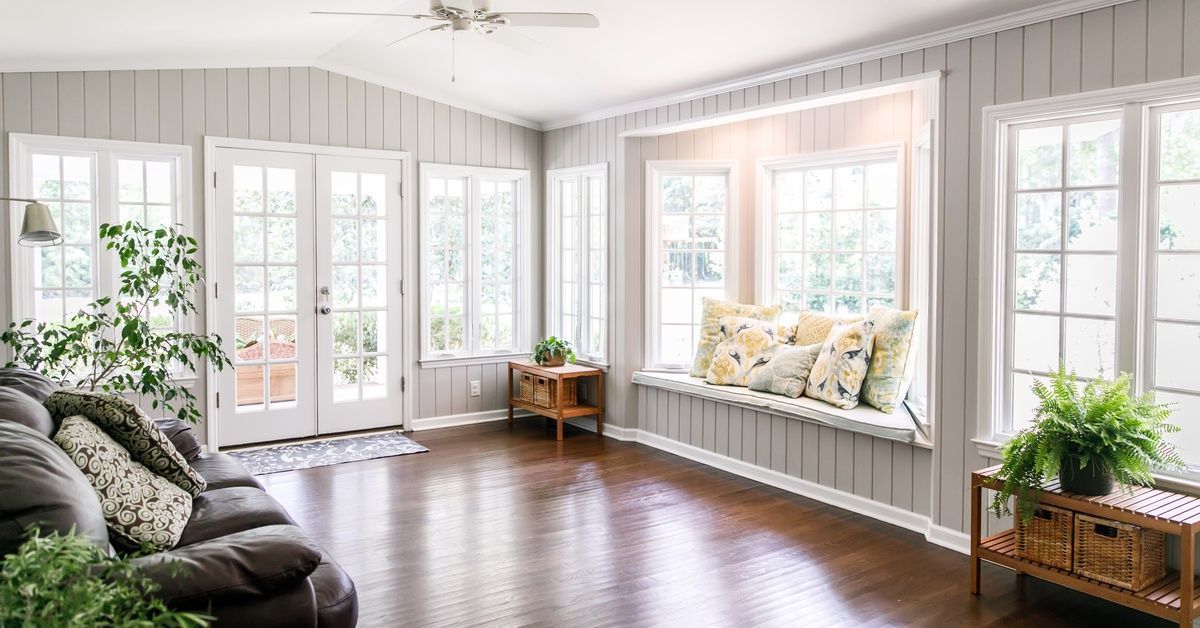
A sunroom gives you a bright place to relax, read, or host friends while staying sheltered from wind and bugs. Some sunrooms function like three-season spaces, while four-season rooms are insulated and equipped with HVAC systems so you can enjoy them year-round. The placement of the windows and the roof style affect how comfortable the room feels on hot afternoons and cold mornings.Window Layout Tips
To make the room look and feel great, place big glass windows where you relax, and smaller or higher windows where you need privacy or wall space. Balance sunlight by distributing windows across two walls when possible, which helps the room feel brighter without harsh hot spots. Additionally, incorporate sun control with shades, tinted glass, or exterior overhangs to keep the space comfortable. Don’t forget screen options if you plan to open windows frequently in warmer months.Roof Design Tips
Pick a roof style that works with your home’s existing rooflines so the sunroom looks like it belongs. A gable roof can match many home styles and adds headroom, while a shed-style roof can simplify tie-ins and water runoff. Moreover, a higher ceiling reduces the “stuffy” feeling on warm days, especially with a ceiling fan.Kitchen or Family Room Additions
If your kitchen feels tight or your family room can’t handle everyday life, a full addition gives you room to breathe. Bigger layout changes allow for adding an open-concept gathering area or a true eat-in kitchen. It also lets you improve flow between cooking, dining, and relaxing, which matters when the home stays busy. As you design a kitchen or family room addition, think through walkways, gathering areas, and the lines of sight you want across the room. Next, build in drop zones to organize everyday items.Primary Suite Additions
A primary suite addition can add a bedroom, a bathroom, and closet space that fits your day-to-day needs. Many homeowners choose this route when the current layout lacks privacy or when one bathroom serves too many people.This type of addition also supports aging-in-place goals with accessible design, such as wider walkways. You can plan features like a more open bathroom, safer flooring choices, and storage that stays within comfortable reach.
Second-Story Additions
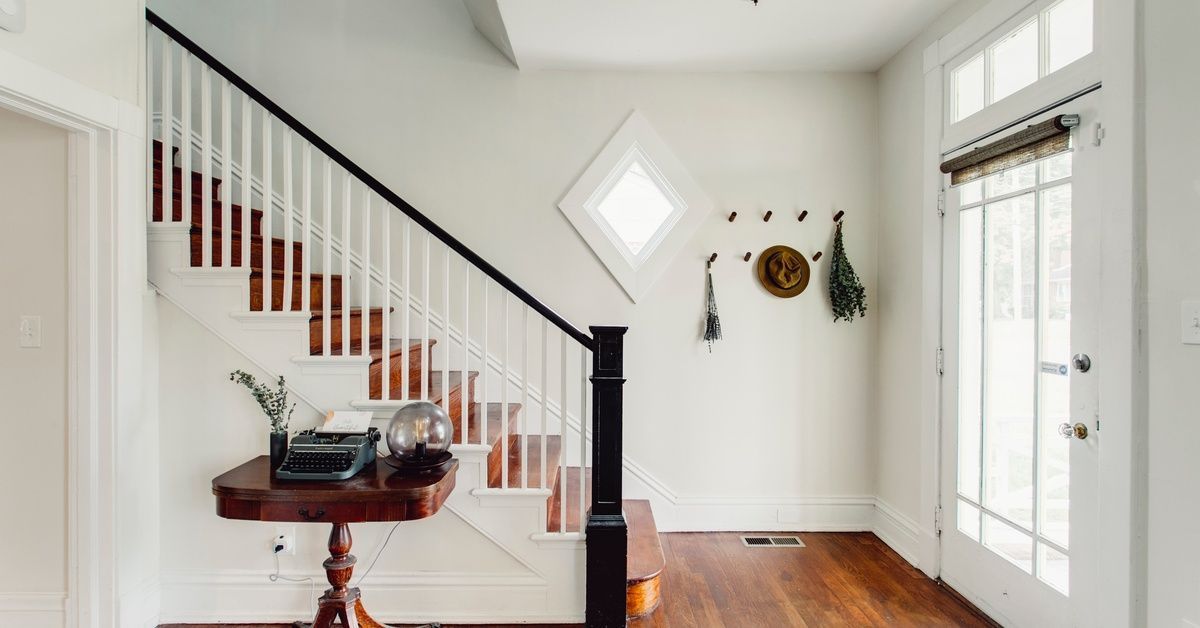
A second-story addition adds major square footage without taking more yard space. Some homeowners add a full second floor, while others build over part of the house, such as over a garage or existing single-story wing. Either way, structural planning ensures the home can support the new load. Your contractor will help you consider how the staircase fits into the existing layout. Additionally, HVAC planning will keep heating and cooling comfortable on both levels. When the plan respects the home’s proportions, the new level feels natural rather than towering.
Basement Conversions and Extensions
A basement conversion turns existing square footage into usable living space, which helps if you want more room without changing the home’s footprint. Many households convert their basements into a rec room, a guest bedroom, a home gym, or a hobby zone.Here are five ways to make a converted basement feel more like the rest of the home:
- Add recessed or layered lighting for a brighter feel.
- Use durable flooring suited for below-grade spaces.
- Create defined zones with built-ins or half walls.
- Improve storage with closets and organized utility areas.
- Include a dedicated dehumidification plan.
Deck and Patio Additions
Adding square footage indoors isn’t the only way to grow your space! A new deck or patio can turn your backyard into a comfortable spot for meals, relaxing, and hosting friends. A deck can connect indoor and outdoor zones quickly, while a patio creates a durable surface for dining, grilling, and gathering. Railings, steps, and lighting make the space safe and more convenient to use.Your remodeling contractor will install practical, stylish decking or paver materials. They’ll also plan the path from the kitchen or family room so it feels direct, wide enough, and safe to use when you’re carrying food or drinks. The right home addition expands your living space, giving you more room where you need it. Whether you add a small bump-out, build a four-season sunroom, or finish a basement, the best results come from matching the project to your daily routines. An experienced contractor will make the addition feel like a natural part of your home. Contact Leon Construction, and let us build your dream space.
Minor roof damage can lead to leaks, decking damage, and other issues. See how addressing small problems can save time and money and help your roof last longer.
Roof problems can look different depending on the material and where damage develops. Learn which signs mean it's time for a replacement rather than a repair.

If your home feels cramped, cluttered, or harder to share, it might be time for a remodel. These ideas can make your space work better for the whole family.

Gutter repairs can work well, but not in every situation. See when replacement may be the better choice based on age, damage, performance, and cost.
Home improvement projects involve many moving parts and careful coordination. See how a contractor can manage the details and keep each phase organized.

Poor insulation can affect comfort, energy use, and moisture levels throughout your home. Know what to watch for and when to call a professional.
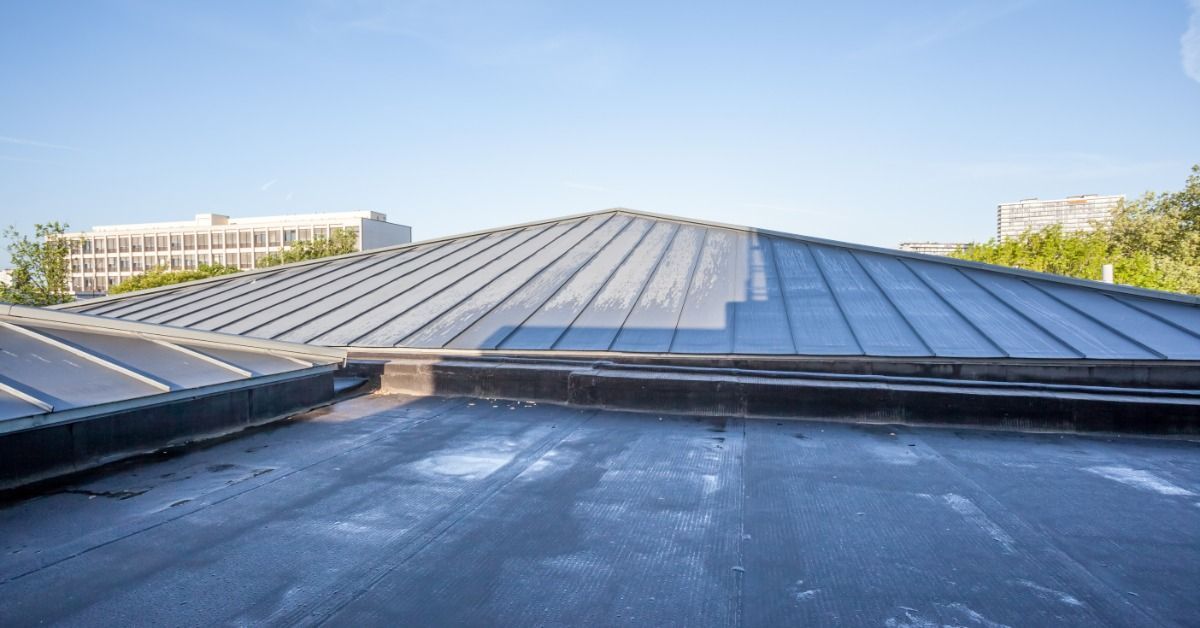
Missing materials, water stains, ponding, and surface wear can all point to roof damage. See what to look for on residential and commercial roofs.
A roof inspection can uncover concerns that are easy to miss from the ground. See how the roof is evaluated and what happens after the report.
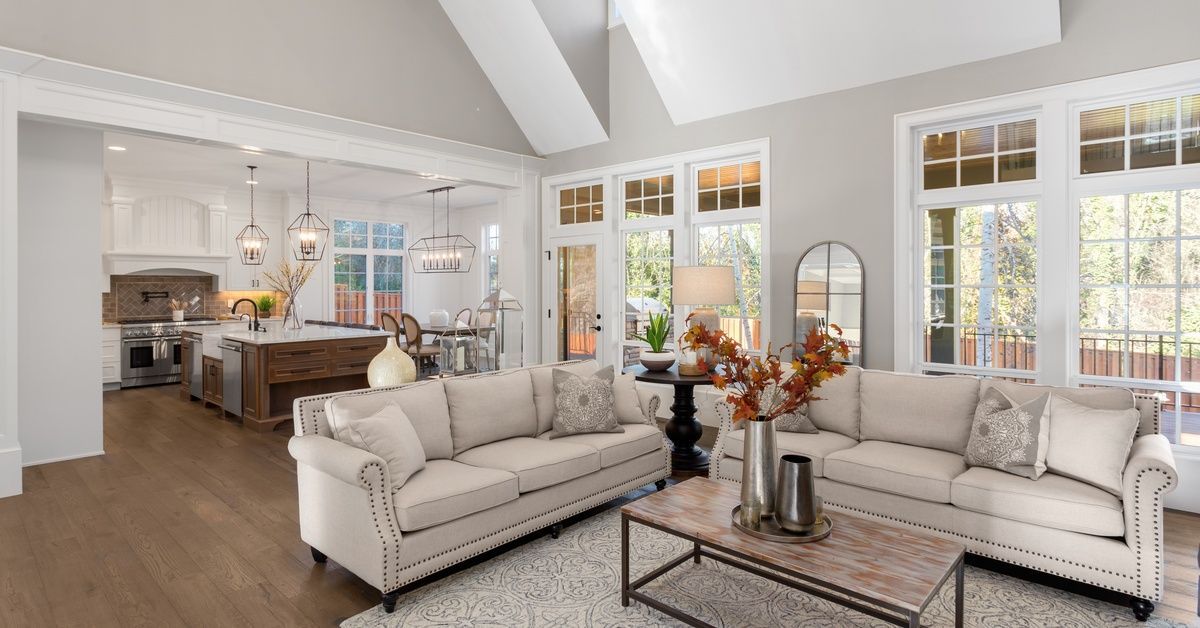
Aging in place means adapting your home so it works better through every stage of life. These practical renovation ideas support safer, easier daily living.
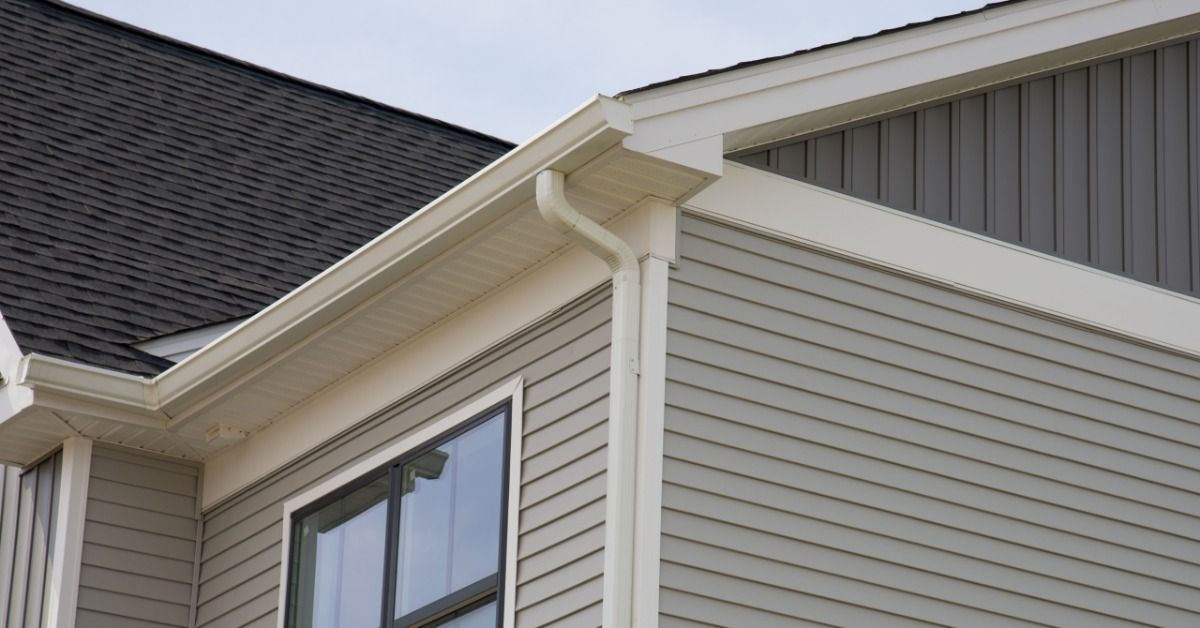
A good gutter system doesnt get much attention until rain starts spilling from the roofline or pooling near the foundation. If youre choosing gutters for your home, it helps to compare shapes, sizes, materials, and maintenance needs before you commit. The right setup should move water away from the building without making upkeep feel like a constant chore. A few simple comparisons can help you avoid choosing something that looks fine at first but doesnt direct water where it needs to go. Match Your Roofline Your roofline affects how much water your gutters need to carry and where the downspouts should go. A simple roof with long, straight edges may need a different setup than a roof with several valleys, dormers, or steep slopes. Roof pitch also plays a role because steeper roofs move water faster during heavy rain. Wider gutter runs, extra downspouts, or larger gutter sizes may help manage that flow. A contractor can review the roof layout and recommend a setup that keeps water moving rather than backing up. Why Roof Valleys Need Attention Roof valleys collect water from two roof planes, so they usually send a heavier stream into one area of the gutter system. That extra flow can overwhelm a small gutter or poorly placed downspout during a storm. Splash guards may help in some spots, especially where water runs off the roof quickly. Additionally, a contractor may suggest changing the downspout placement to help the system handle runoff more smoothly. Compare Gutter Materials